How to Give Yourself an Orgasm: A Real Guide for Women (No Fluff, No Shame)
Share
Here's a statistic that should make everyone angry: somewhere between 10 and 15 percent of women have never had an orgasm. Not with a partner, not alone, not once. And a much bigger group can get there sometimes, with someone else, but draws a blank when they're on their own.
If that's you, the problem is almost never your body. It's that nobody taught you how your body works, then society handed you a pile of shame for trying to find out. Let's fix both.
First, Unlearn the Movie Version
Screen orgasms take ninety seconds and require nothing but enthusiasm. Real female arousal takes, on average, 15 to 20 minutes of build-up — sometimes more, and more is normal.
The single biggest orgasm killer isn't technique. It's pressure. The moment your brain starts spectating — is it happening yet? why is it taking so long? — blood flow and arousal drop. Sex researchers call this spectatoring, and it's the reason "trying harder" backfires.
So the first rule: your only goal for the first few sessions is to notice what feels good. Orgasm is not the assignment. It's the side effect.
A Two-Minute Anatomy Lesson That Changes Everything
Most orgasm frustration traces back to one misunderstanding: where the clitoris is and how big it is.
The part you can see — the glans, up under the little hood where your inner lips meet — is just the tip. The full clitoris extends inside your body in a wishbone shape, with two arms running several centimeters down either side of the vaginal opening. It has around 10,000 nerve endings, more than any other structure in the human body, and exactly one job: pleasure.
This is why penetration alone doesn't do it for roughly 80% of women, and why "just relax" is useless advice. The clitoris needs direct or nearly direct stimulation, and every woman's preferred spot, pressure, and rhythm are different. Your job is to find yours.
Setting the Stage (This Part Matters More Than You Think)
Arousal is as much context as contact. Before your hands go anywhere:
Privacy you trust. A locked door changes everything. If part of your brain is listening for footsteps, the rest can't let go.
Time without a deadline. Give yourself 30 minutes minimum. Rushing recreates the exact pressure you're trying to escape.
Warm up your brain first. Fantasy, a spicy book chapter, audio erotica, whatever genuinely works for you — mental arousal comes first and physical follows. Women's arousal is famously context-dependent; use that instead of fighting it.
Lube. Seriously. Natural lubrication varies with your cycle, stress, and medications, and it says nothing about how turned on you are. A little water-based lube makes every touch feel better. This is the cheapest upgrade in this entire guide.
The Techniques: Start Here
There's no single correct method, but these are the patterns that come up again and again in sex research and in what women actually report working.
1. Start wide, go narrow
Don't head straight for the glans — for many women it's too sensitive for direct touch, especially early on. Begin with slow strokes over the whole vulva, inner thighs, over the clitoral hood. Tease. Let arousal build until direct contact feels like something you want rather than something you're administering.
2. Circles, up-and-down, side-to-side
The big Indiana University study on women's pleasure (OMGYes partnered on it) found most women prefer indirect or rhythmic clitoral stimulation — small circles around the glans, gentle strokes over the hood, or a steady side-to-side motion. Try each for a full minute or two before judging. Your nervous system needs repetition to build.
3. When something works, do not change it
This is the golden rule almost nobody says out loud. Rising arousal makes people speed up or press harder — and that change is exactly what derails the orgasm. When you find a rhythm that's building, keep it identical. Same speed, same pressure, same spot. Consistency finishes the job; novelty restarts it.
4. Add your breath and pelvic floor
Deep, slow breathing keeps you out of your head. Some women find that gently squeezing and releasing the pelvic floor muscles (the Kegel squeeze) in rhythm with stimulation intensifies everything. Others prefer bearing down slightly at the peak. Experiment.
5. Bring in a vibrator if hands aren't cutting it
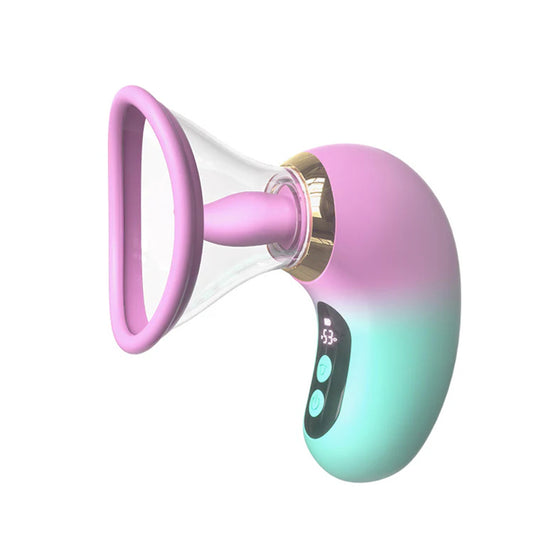
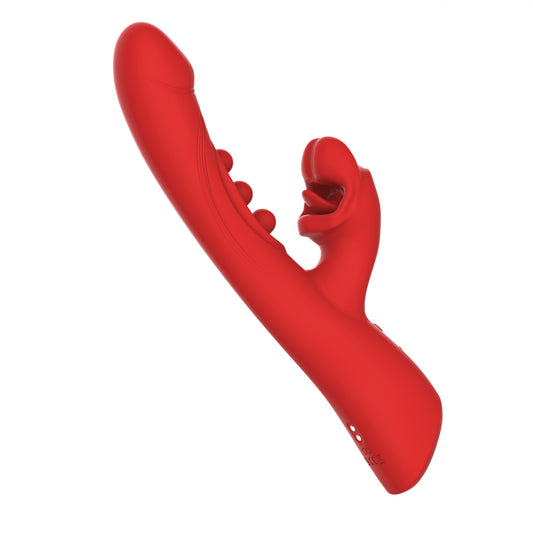
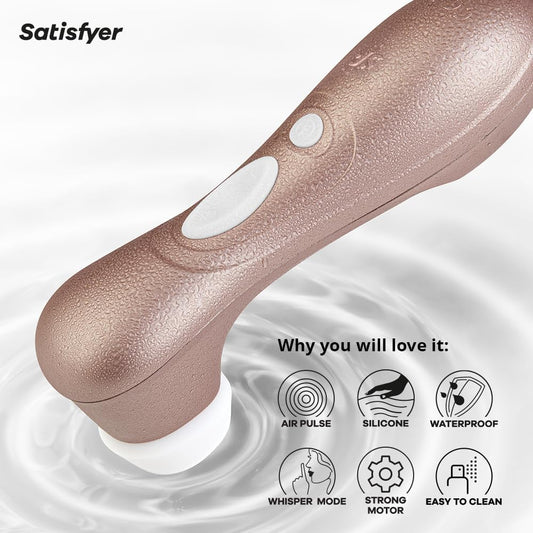
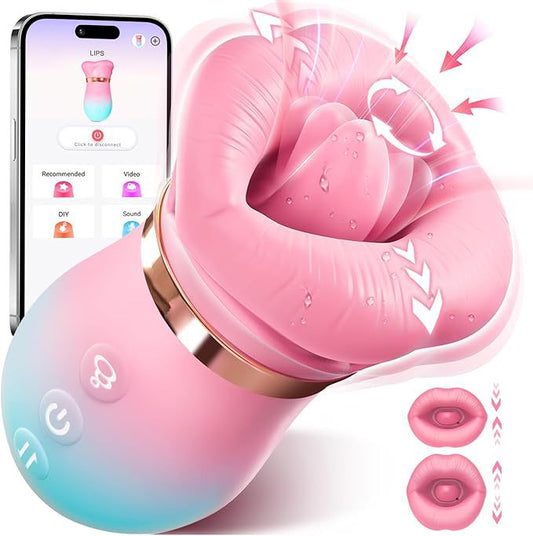
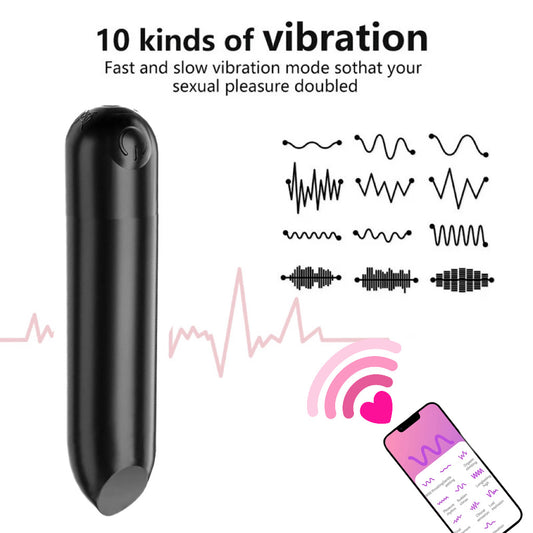
There's no medal for doing it manually. Hands cramp, rhythms drift, and for plenty of women a vibrator is the difference between "almost" and "finally." Research on women who use vibrators shows better arousal, lubrication, and orgasm — not dependency. If you've been stuck at 90% for years, a simple external vibrator is the most reliable bridge across that last stretch.
6. Don't forget internal — but keep the clit involved
If you want to explore penetration, do it with fingers or a toy while keeping clitoral stimulation going. The front vaginal wall (a couple of inches in, toward your belly button) is where the internal clitoral structure can be reached — the famous G-spot region. Some women love it, some feel nothing, both are normal.
What's Getting in Your Way (It's Probably One of These)
Shame on a delay timer. If you grew up hearing masturbation was dirty, your body remembers even when your opinions have changed. It fades with repetition. Every relaxed session rewires it a little.
Medications. SSRIs are notorious orgasm blockers. If you're on antidepressants and can't finish, that's pharmacology, not failure — and worth raising with your doctor, because alternatives exist.
Exhaustion and stress. Arousal is a parasympathetic process. A fried nervous system physically cannot shift into it. Sometimes the honest fix is sleep first, orgasm later.
The deadline mindset. If a session doesn't end in orgasm, it wasn't a failure. Arousal without climax still improves blood flow, mood, and body knowledge. Every session teaches you something usable.
If You've Never Had One at All
Give yourself a structured runway: three or four sessions a week, 20 to 30 minutes, no orgasm goal for the first two weeks — just mapping sensation. Then add a vibrator on low settings. Most pre-orgasmic women who follow this kind of graduated approach (it's essentially the clinical protocol sex therapists use) get there within a couple of months. If you've tried consistently and nothing shifts, a sex therapist or pelvic floor physiotherapist is not an admission of defeat. It's a shortcut.
The Point of All This
Learning to orgasm on your own isn't just about the orgasm. It's the instruction manual for your own body — one you can then hand, with confidence and specifics, to anyone lucky enough to share your bed. Better sleep, less stress, and a working knowledge of your own wiring.
Nobody else can learn this for you. That's the inconvenient part. It's also the best part.
FAQ
How long should it take to orgasm by myself? Anywhere from 10 to 40 minutes is completely normal, especially while you're still learning what works. Speed comes with practice.
Why can I orgasm with a partner but not alone (or vice versa)? Context. Different mental states, different pressure levels, different stimulation. Neither version means anything is wrong — it means arousal is situational, which is true for everyone.
Is it normal to need a vibrator to finish? Yes. A large share of women reach orgasm most reliably with a vibrator. It's a tool, not a crutch, and it doesn't reduce your sensitivity long-term.
I've tried everything and still can't orgasm. Now what? Rule out medication side effects with your doctor, then consider a certified sex therapist. Anorgasmia is common and very treatable — most women who seek help get results.