
-
App-Controlled Vibrating Butt Plug
Regular price $20.99Regular price -
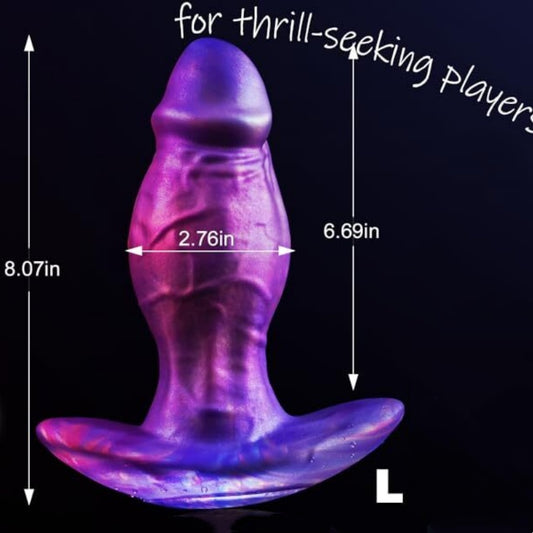
TPE Huge Butt Plug Pist Anal Plug
Regular price From $19.99Regular price -
Anal Hook Butt Plug
Regular price $19.99Regular price -
Ergonomic Bunny Tail Butt Plug
Regular price $14.99Regular price -
Butt Plug + Urethral Sound Catheter
Regular price $25.99Regular price -
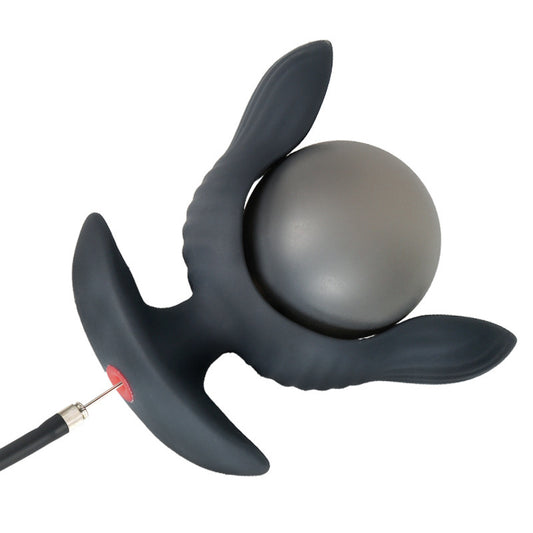
Remote Control Inflatable Vibrating Butt Plug
Regular price $46.99Regular price -
Stretch Fist Punch & Finger Butt Plug
Regular price $65.99Regular price -
Hollow Tunnel Butt Plug
Regular price $52.99Regular price -
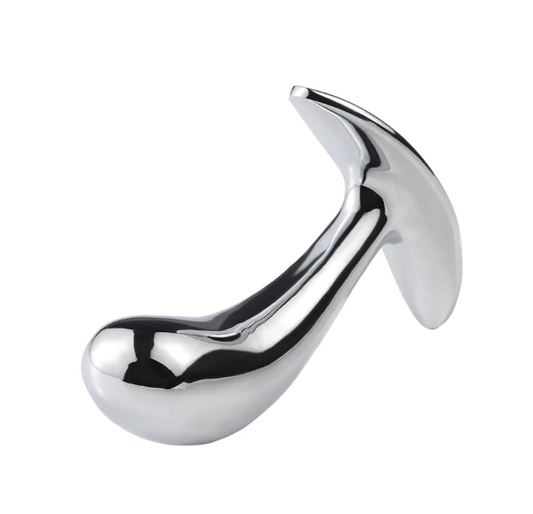
Gunmetal Butt Plug
Regular price $15.99Regular price -
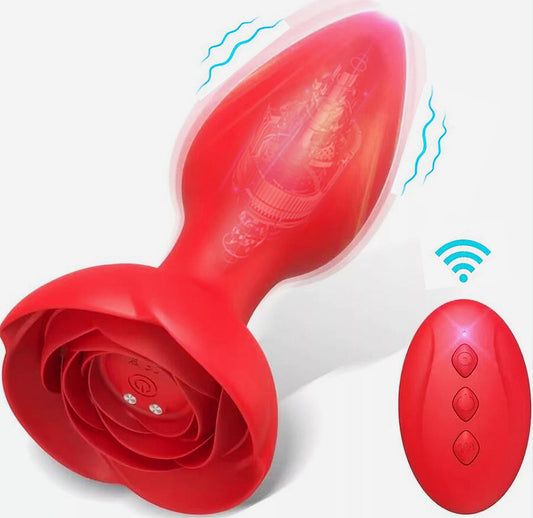
Rosegasm Vibrating Butt Plug
Regular price $34.99Regular price -
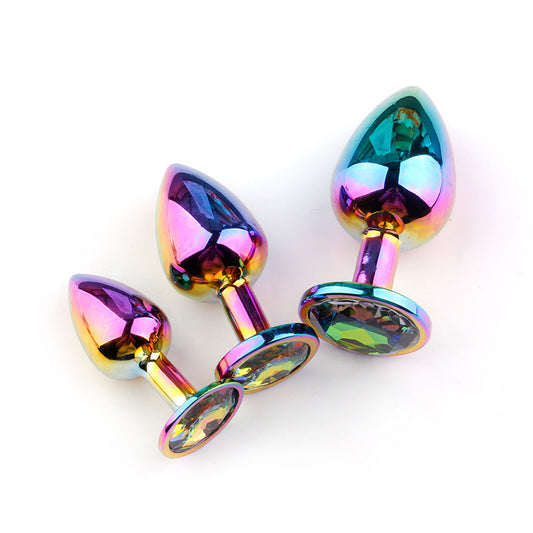
Rainbow Shining Butt Plug
Regular price $15.99Regular price -
6.89" Large Butt Plug Big Buttplug Anal Toys
Regular price From $28.99Regular price -
Cat's Tongue Paradox Dildo Butt Plug
Regular price $39.99Regular price -
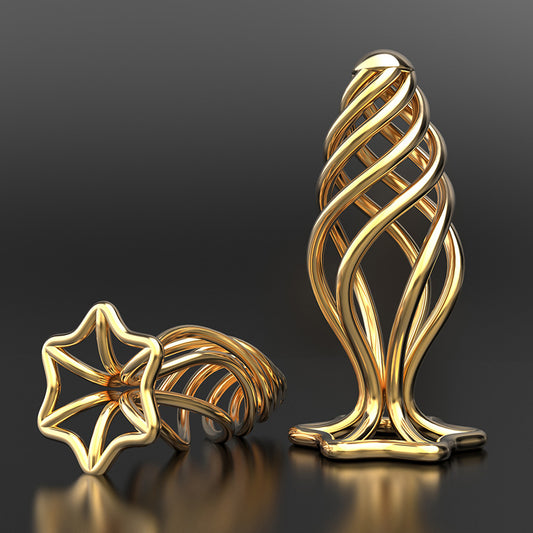
The Temperance String Anal Butt Plug
Regular price $11.99Regular price -
15.7'' Oversized Plush Fox Tail Butt Plug – Extra-Wide 3.94''
Regular price $28.99Regular price -
Bunny Tail Anal Butt Plug (Rabbit and Fox)
Regular price $12.99Regular price -
Remote Control Inflatable Butt Plug Anal Expander
Regular price $33.99Regular price -
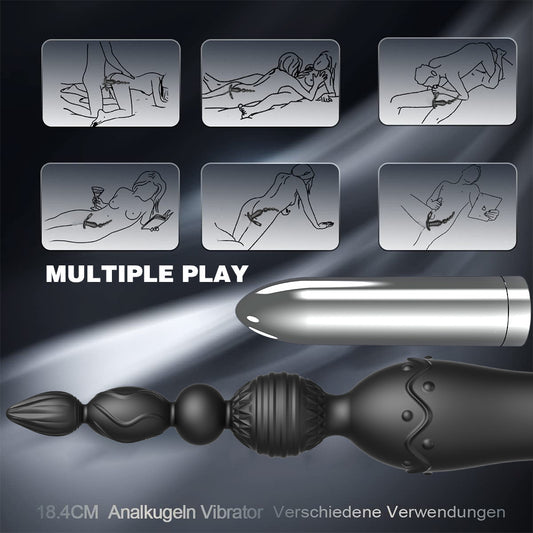
App Control Vibrating Beaded Butt Plug
Regular price $37.99Regular price -
24k Gold Butt Plug
Regular price From $59.99Regular price -
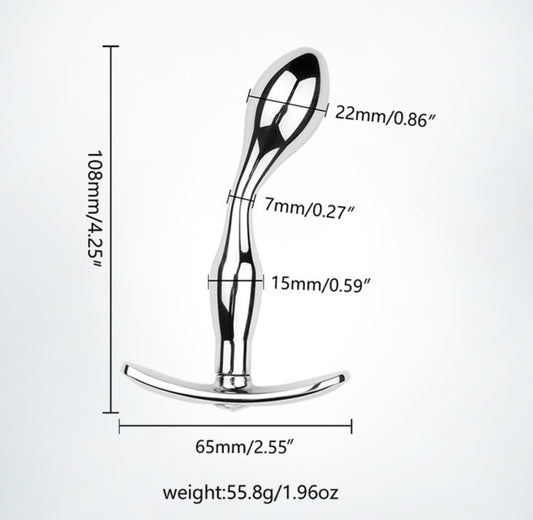
Stainless Steel Butt Plugs
Regular price $28.99Regular price

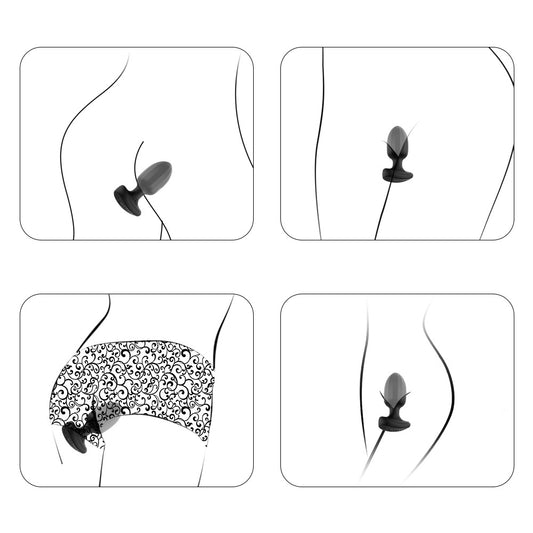

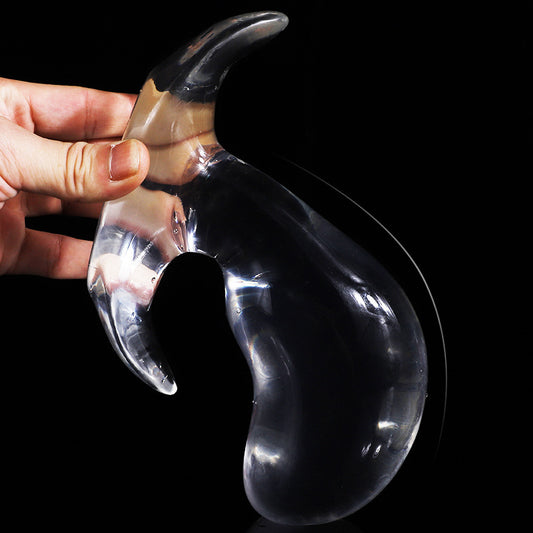

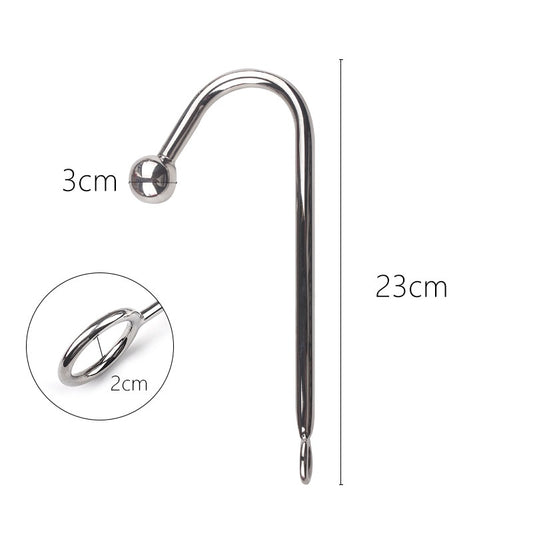

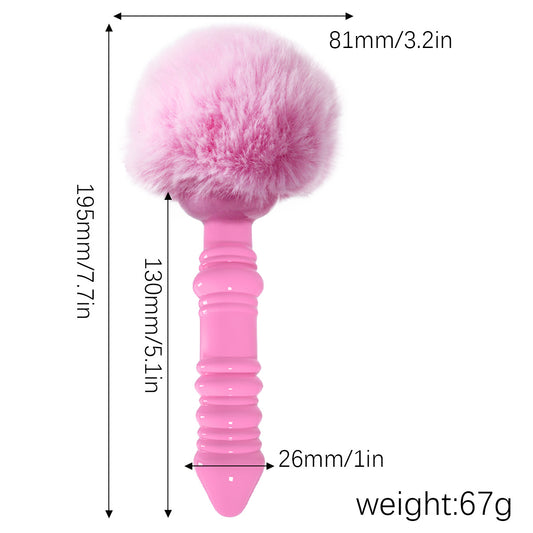
















Between 2012 and 2021, nearly 39,000 Americans visited the ER to have foreign objects removed from their rectum. While not all of these cases involved buttplug mishaps, the statistic explains why safety knowledge matters. Many people wonder why do people wear buttplugs and what the buttplug meaning definition includes. Understanding what a butt plug is and how to use one correctly can prevent serious issues. This piece covers everything first-timers need to know. You'll learn about safe materials and insertion techniques that work. We'll also cover common mistakes to avoid for a pleasurable experience.
What Is a Butt Plug and Why Do People Use Them
Basic definition and design
A buttplug is an anal sex toy designed to be inserted into the rectum and remain in place. Unlike dildos that move in and out, a buttplug stays stationary during use. This allows for continuous stimulation of the nerve-rich anal area. The buttplug meaning definition extends beyond sexual pleasure, as these toys serve multiple purposes from preparation to exploration.
Every buttplug consists of four parts that work together for safe use. The top makes first contact with the anus and features a tapered design that becomes thicker. This tapering matters because the anus doesn't respond well to blunt objects. The drop-off point connects the thickest section to the neck and should maintain a tapered shape for comfortable removal. Your sphincter muscles rest on the neck after insertion. The base prevents the toy from sliding inside your body and provides grip during removal.
The neck design deserves special attention. Your body has two sphincter muscles: an external one you can control consciously and an internal one that works involuntarily. Both muscles need space on the neck to rest comfortably. Experts recommend an ideal neck length of around 3 to 4 cm, though at least 1.5 cm works for most people. A neck that's too short forces your internal sphincter to rest on the bulb. This causes discomfort and involuntary pushing.
Why people wear butt plugs
The anal region contains many nerve endings that make stimulation pleasurable for anyone with an anus, whatever their gender or sexual orientation. People with prostates find buttplugs appealing because the pressure can stimulate this sensitive gland located just in front of the rectum. This indirect prostate stimulation can lead to intense sensations and sometimes orgasm.
The sensation of fullness creates heightened awareness throughout your pelvic region. Other sensual touch feels more intense and pleasurable. Many people report experiencing stronger orgasms when wearing a buttplug, especially vibrating models that create additional pressure against internal structures.
Buttplugs serve as preparation tools for those interested in anal sex. Without proper warm-up, anal penetration can cause pain and tearing of the thin rectal walls. This can allow bacteria or viruses to enter your bloodstream more easily. Training kits containing plugs ranging from small to larger sizes help stretch muscles and make them more responsive to anal play.
Buttplugs add new dimensions to intimacy for couples. The toy stays in place on its own, which means both partners can focus on other erogenous zones while still experiencing added sensations. During vaginal penetration, a buttplug can alter the vaginal canal's width. This makes simultaneous penetration feel extra pleasurable for some people.
Health benefits of proper use
Regular buttplug use can contribute to improved pelvic floor health and muscle tone. The stretching and contraction of anal muscles during insertion and removal helps strengthen pelvic floor muscles over time. This benefit extends especially if you have issues such as urinary incontinence or pelvic floor dysfunction.
Beyond physical benefits, buttplugs provide a safe means for self-exploration. Experimenting with different sizes, shapes and materials leads to greater self-awareness, confidence and acceptance of your sexuality. The pressure against the anal sphincter can help release tension and promote feelings of groundedness for some users.
Choosing Safe Materials and Designs for First-Timers
Body-safe materials: silicone, glass, and metal
Material choice determines how safe your buttplug will be. The sex toy industry lacks federal regulation, which means manufacturers can use harmful substances without consequence. Your job is to verify that materials meet safety standards before making a purchase.
Silicone stands out as the most popular choice for first-timers. Body-safe, nonporous silicone is flexible, durable, and easy to clean. Look for medical-grade or platinum-cure silicone certifications that confirm the material contains no harmful chemicals. Avoid products labeled as "silicone blend" or "jelly," as these may contain phthalates or other toxic compounds. Silicone has more give than rigid materials and makes insertion easier for beginners. The main drawback is incompatibility with silicone-based lubricants, which can degrade the material over time.
Glass buttplugs offer a different experience altogether. Borosilicate glass (sometimes marketed as Pyrex) is thermal-shock resistant and by a lot stronger than regular glass. The mirror-smooth surface slides easily with minimal friction. Glass is nonporous, which means bacteria cannot penetrate the surface. You can sanitize glass toys in boiling water if they lack motors. Avoid decorative glass items not designed to be used intimately, as they may contain lead or other harmful substances.
Metal buttplugs should be made from medical-grade stainless steel (316 grade) or aluminum. These materials are non-reactive, non-corrosive, and designed to make safe intimate contact. Metal toys are heavier than silicone, and some people prefer this added weight for a stronger sensation of fullness. Stainless steel costs more than silicone but lasts indefinitely with proper care. Never purchase chrome-plated metals, which can chip or flake over time and potentially cause injury.
Materials you must avoid include rubber, vinyl, jelly rubber, PVC, and TPR. These porous materials absorb germs that can lead to infections, even after washing. Rigid plastics and acrylics are also porous and can become hotbeds of bacteria from your GI tract.
Why flared bases are essential
Your rectum lacks a natural stopping point to prevent objects from traveling deeper inside your body. The sphincter muscles can pull objects into the rectum without proper design considerations. A flared base prevents complete insertion and provides something to grip during removal. The base must be wider than the widest part of the plug to ensure it stays in place. Some designs feature a large ring or pull cord instead of a traditional flared base.
Size considerations for beginners
Start with a diameter between 0.75 and 1 inch, roughly the width of an adult finger. This size allows you to become familiar with the sensation without stretching right away. Beginners often overestimate what feels comfortable and end up with toys that cause discomfort rather than pleasure. A tapered tip makes insertion by a lot easier because it allows gradual entry instead of stretching all at once. Graduated training kits contain plugs ranging from small to larger sizes and let you increase dimensions slowly over multiple sessions.
Features to avoid in your first plug
Skip textured surfaces and complicated features until you gain experience with simple designs. Avoid buying based on photos rather than actual measurements, as photography makes scale difficult to judge. Never use toys without an appropriate flared base whatever their size or shape.
Essential Safety Steps Before Your First Use
Preparation separates uncomfortable experiences from pleasurable ones. The steps you take before insertion affect how your body responds to the buttplug directly.
Using adequate lubrication
Your anus cannot produce its own moisture. This makes lubrication necessary rather than optional. Without adequate lube, you risk tearing delicate anal tissues and creating painful fissures that take time to heal. These micro-tears also increase your risk of infections. They create entry points for bacteria.
Water-based lubricants work with all toy materials and won't degrade your silicone buttplug. The main drawback is that water-based formulas dry out quickly. You'll need to reapply them frequently during use. Silicone-based lubricants last much longer and feel slicker. But silicone lube can make silicone toys sticky and tacky. This potentially harbors bacteria. For metal or glass plugs, you can use either type.
Apply lubricant generously to both the buttplug and your anal opening. Use more than seems necessary. Reapply throughout wear to prevent irritation, especially during extended sessions.
Preparing your body
Empty your bowels 30 minutes to an hour before using your buttplug. The toy stimulates the pudendal nerve, which controls the same muscles you use for bowel movements. This stimulation feels pleasurable but can trigger sensations that make you feel like you need the bathroom.
Avoid foods that upset your stomach or cause irritation in the hours before play, especially spicy options. A high-fiber diet helps keep the anal area clear and makes preparation easier. Some people prefer using an anal douche for extra cleanliness, but excessive douching can thin the protective mucus lining inside your rectum and raise infection risks.
A warm shower or bath provides a safer way to feel clean beforehand. Wash the external anal area with mild, unscented soap. You don't need to be completely clean before exploring, as some mess can happen with anal play.
Creating a comfortable environment
Relaxation makes insertion smoother and reduces the likelihood of tearing tissue. Take a warm bath, practice deep breathing exercises, or stimulate other erogenous zones before attempting insertion. Physical tension translates to tighter muscles directly. This makes penetration more difficult and potentially painful.
Place a towel beneath you to address concerns about mess from lubricant or other bodily fluids. A comfortable space helps reduce anxiety.
Understanding your limits
Pain signals that something is wrong. You might feel new sensations, fullness, or stretching, but sharp pain means you should stop and remove the plug slowly right away. Start with smaller toys before attempting larger sizes. Gradually increase wear time from just a few minutes during your first sessions.
How to Use a Butt Plug Safely: Step-by-Step Guide
Proper insertion technique
Clean your buttplug before first use by washing it with mild soap under running water or using a toy cleaner. Some plugs can be boiled or placed in the dishwasher depending on material. Apply lubricant generously to both the toy and your anus, then begin with finger stretching. Insert one well-lubricated finger first and add another to stretch the tissue slowly.
Position yourself in a comfortable stance when ready for the plug. Find any position that feels natural, whether lying on your back with a pillow underneath, squatting, or on your hands and knees. Insert the tapered tip slowly and pause when you feel resistance. The sphincter muscles sit approximately 4 cm inside the rectum. Push in slowly while relaxing the muscles consciously when the tip reaches this point.
Your sphincter may clench even when you're trying to relax. Stop pushing when this happens and hold the plug in place until the muscles release, then continue. Repeat this stop-and-start pattern as many times as needed. Push the plug until it reaches the flared base, but never force insertion if you experience pain.
How long you can safely wear a plug
First-time users should limit wear to 30 minutes. This timeframe allows your body to adjust without risking tissue irritation. Experienced users can extend sessions to 2-3 hours, though some sources indicate 10-12 hours causes no harm when proper precautions are followed.
Reapply lubricant hourly during extended wear to prevent discomfort and potential injuries like fissures. Water-based lubricants dry out faster and require more frequent reapplication. Never sleep with a buttplug inserted, as you won't notice warning signs of problems like bleeding or excessive discomfort.
Safe removal process
Relax before attempting removal. Grab the flared base and pull gently while pushing down with your sphincter muscles in a motion similar to a bowel movement. This coordination between your hand and sphincter muscles prevents tissue damage. Pull slowly, as yanking can cause anal tears.
Don't panic if the plug feels stuck. Stress makes your sphincter clench tighter around the toy. Take a break for a few minutes to several hours, then try again gently. Apply additional lubricant around the base if needed. Seek medical attention in rare cases where the plug won't budge after multiple attempts.
Cleaning and hygiene practices
Wash your buttplug right after use with warm water and antibacterial soap or toy cleaner. Scrub really well for 30 seconds to remove all residue. Nonporous materials like silicone, glass, and metal can be sterilized by boiling in water for up to 10 minutes or running through a dishwasher cycle on the top rack. Let the toy air dry before storage. Store plugs in breathable pouches and keep silicone toys separated from each other to prevent material degradation.
Common Safety Mistakes First-Timers Make
Most safety issues stem from avoidable errors rather than inherent risks. You can prevent painful complications and emergency room visits when you recognize these mistakes.
Using toys without flared bases
Objects without flared bases can slip completely inside your rectum, where strong involuntary muscle contractions pull them further in. Emergency room visits for lost anal toys happen frequently, and medical professionals call it routine. Every buttplug you use must have a base wider than the widest part of the plug itself.
Skipping lubrication
Insufficient lubrication ranks as the fastest route to tissue damage. Friction causes small tears in the delicate anal lining and creates entry points for infections. Apply generous amounts of water-based lubricant and reapply before you feel dryness.
Ignoring pain signals
Pain indicates tissue damage in progress. Some people use numbing creams to bypass discomfort, which masks warning signals and increases injury risk. Stop right away when you feel sharp pain, pressure, or pins-and-needles sensations.
Sharing toys without proper cleaning
Sharing buttplugs transmits bacteria specific to each person's digestive system and may cause infections or spread STIs. Clean toys between users or cover them with fresh condoms for each person.
Wearing plugs for too long
Extended sessions beyond 2-3 hours can cause muscle fatigue, reduced sphincter sensitivity, and irritation to the rectal lining. Remove the plug right away if you experience numbness, cramping, or persistent discomfort.
Conclusion
Buttplug safety might seem complicated at first, but the basics are straightforward. Body-safe materials like silicone, glass, or metal are essential. Your plug needs a flared base. Generous amounts of lubricant help, and you should reapply frequently. Listen to your body and stop if you feel pain.
The 39,000 ER visits mentioned earlier show what happens without proper knowledge. These safety guidelines, particularly the material requirements and insertion techniques, turn a potentially risky activity into a pleasurable experience. Start small and take your time. Prioritize safety over experimentation. Your body will thank you for the careful approach.