
-
Bondage Cock Cage with Male Chastity Belt
Regular price $62.99Regular price

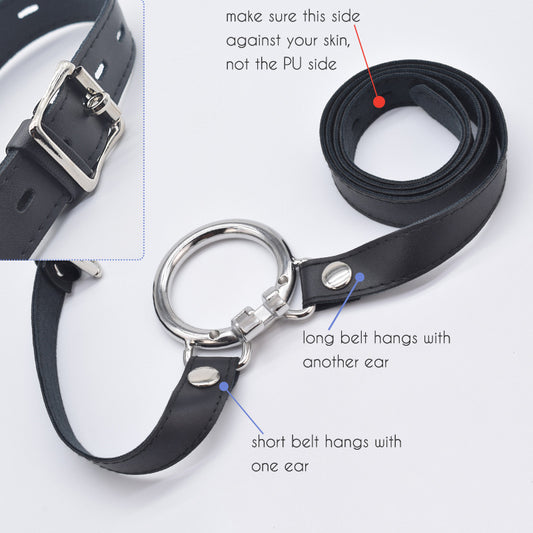
Chastity belt meaning goes well beyond the rusty medieval myth you have likely heard. Current research suggests that many "ancient" devices displayed in museums were made centuries later, often during the 18th or 19th century. Female chastity belt history helps separate fact from fiction, and modern chastity belt meaning refers to something different: a consensual BDSM practice with trust, power exchange, and personal choice. This piece explains the origins, modern designs, and what adults should know before trying a chastity cage, male chastity belt, or other chastity device.
What Is a Chastity Belt? Meaning and Purpose
Chastity describes abstaining from sexual activity. It can reflect a personal choice, religious observance, or a period of celibacy. The term can carry moral and sometimes legal meaning, depending on the context, and, in stark comparison to a common assumption, it does not apply only to women. Anyone can choose chastity as a lifestyle or temporary practice, whatever their gender.
A chastity belt, by comparison, is a physical object. It turns the abstract idea of sexual restraint into something tangible: a locking garment designed to prevent intercourse or masturbation. This difference matters because “chastity” refers to a choice or state of being, whereas a belt is hardware that physically enforces that choice.
Chastity as a personal choice versus a physical device
Confusion often begins here. Someone can practice chastity without using a device and rely on willpower, a vow, or personal commitment. Other people use a physical device to support a decision they have already made, so they do not have to rely on willpower alone.
This difference can become part of the dynamic in modern BDSM contexts. The wearer agrees to give up unrestricted access to their body, and a partner, often called the keyholder, controls when the restriction ends. The device does not create the choice. It supports an agreement between both people. This differs from forced chastity, which removes consent and turns a personal decision into coercion.
How a locking belt is designed to limit genital access
A chastity belt typically has a waistband that wraps around the hips and a shield or plate that runs between the legs to block direct access to the genitals. The band and shield connect at the front and back, and a lock keeps the structure closed. The wearer generally cannot remove the device without the key.
This simple structure is often called the Florentine design. Its name comes from a historical reference in a 15th-century military manual associated with Florence. Male and female versions use the same general design, although the shield's shape and coverage differ according to anatomy. A female chastity belt usually combines the waistband with a front shield or crotch plate that covers the vulva. Some designs extend farther back when they require greater restriction.
The lock-and-key arrangement separates a chastity belt from ordinary restrictive clothing. The purpose is not tightness or discomfort. It removes physical access until the person with the key allows otherwise. Within BDSM practice, the device can support what is known as orgasm denial. The wearer cannot engage in intercourse, masturbation, or oral sex involving their genitals without the dominant partner's permission.
Fit matters as much as the locking mechanism. A belt that does not sit properly can move, pinch, or create pressure points. Those issues undermine a design intended for extended wear. Modern manufacturers therefore focus on adjustable bands, padded linings, and openings for hygiene and bathroom use. Early historical versions reportedly lacked such features. The core function remains the same as in the earliest documented designs: a locked barrier between the wearer and their body that someone else controls with a key.
Chastity Belt History: Where the Medieval Story Comes From
The image most people carry is simple: a knight leaves for the Crusades, locks his wife into an iron device, and rides away certain of her fidelity until he returns. That story has shaped the chastity belt meaning origin for centuries, but the historical record is much thinner than the legend suggests.
Female chastity belt history and claims about medieval use
Popular accounts claim that a husband fitted his wife with a locking device before leaving for battle or pilgrimage. Metal teeth supposedly waited to injure any man who tried to interfere. The tale fits neatly with the view of the Middle Ages as a brutal and controlling era. But no credible evidence shows chastity belts in use before the 15th century, and the limited apparent use belongs to the Renaissance rather than the medieval period. Earlier writers, including Gregory the Great, Alcuin of York, Bernard of Clairvaux, and Nicholas Gorranus, used the term only as a figurative expression of moral discipline, not as a description of actual hardware.
Why historians question surviving belts and old accounts
Konrad Kyeser’s Bellifortis, a 1405 treatise on siege machines, contains the first detailed depiction connected to the device. It describes "hard iron breeches of Florentine women". Scholars such as Albrecht Classen and Paolo Polidoro argue that Kyeser meant the reference as a joke and placed it beside fantastical entries such as invisibility cloaks. No physical example from that period has surfaced to support the drawing.
Later claims fare little better. Collector Anton Pachinger reported finding a leather-and-iron belt on a skeleton in Linz, Austria, in 1889. The skeleton was supposedly buried in the 16th century, but no burial record confirmed the discovery, and the object disappeared after World War I. Belts displayed at the Musée de Cluny, linked to figures such as Catherine de' Medici and Anne of Austria, faced similar doubts. Metal testing in the 1990s showed that one dated to the early 19th century, not the Renaissance. The British Museum removed its example from display in 1996 and said that most surviving specimens likely came from the 18th and 19th centuries. The museum described them as "curiosities for the prurient, or as jokes for the tasteless". Many researchers link the myth’s staying power to 18th- and 19th-century historians who used it to portray the medieval period as backward compared with their own age.
How popular culture helped spread the story
Film and television kept the image alive long after historians began challenging it. These examples show how widely the device spread through entertainment:
- Robin Hood: Men in Tights (1993) gave Maid Marian a silver chastity belt
- Red Dwarf (1997) built a plot around unlocking one inside a video game
- Meet the Spartans (2008) and The Love Guru (2008) used it for comic effect
- Mad Max: Fury Road (2015) made removing the belts a symbol of freedom
David R. Reuben’s 1969 book called it an "armored bikini". The phrase reinforced the image for a new generation, and a Seattle band adopted the name.
Modern Chastity Belts and Cages: What Has Changed?
Move past the myths. Today's chastity gear looks nothing like the iron relics locked in museum display cases. Manufacturers now make belts and cages from medical-grade steel, silicone or resin, with each material suited to different comfort needs and wear times. The modern-day meaning of a chastity belt focuses on fit and function, with more choice instead of punishment.
Female chastity belts: Waistbands and shields
A woman choosing a chastity belt today may still follow the simple Florentine blueprint: a horizontal band circles the waist, while a shield extends down the front to cover the vulva and attaches to the back of the band. Material science has changed the design. Silicone liners keep raw metal away from the skin, ventilation holes help with hygiene, and adjustable waistbands accommodate body changes without a new purchase.
Male chastity belts: Full-belt designs
Most male chastity belt designs trace back to Hal Higginbottom's 1956 work. People often call them "Tollyboy-style" belts in reference to his original company. A full-belt setup places a waistband around the hips. A crotch band runs between the legs and connects to a front shield that holds the penis in a tube. The tube attaches directly to the shield, so the waistband supports the weight instead of the penis. That is why full belts are usually custom-made to match each wearer's measurements.
Chastity cage meaning: How a cage is different from a belt
A chastity cage, sometimes called a penis cage or chastity tube, works in a different way. It uses a base ring behind the scrotum and a tube that encloses the penis. The two pieces lock together to prevent erection, masturbation and intercourse. A belt uses a waist-mounted frame, but a cage's full weight rests on the ring and scrotum. This difference affects comfort during longer wear.
| Feature | Chastity Belt | Chastity Cage |
|---|---|---|
| Coverage | Waist and full genital area | Penis-focused |
| Weight distribution | Transferred to waistband | Rests on scrotal ring |
| Typical use | Long-term, full lockdown | Daily wear, discreet |
Safety matters whatever the design. A man needed medical help in 2008 to cut free from a titanium device after he lost his keys and pressure built against his genitals. The whole ordeal shows why emergency access and correct sizing are essential.
Why fit depends on anatomy, not just product labels
Human anatomy varies widely, so steel belts intended for long-term use are bespoke items rather than one-size-fits-all products. Cage sizing depends on the "ball gap," or the space between the base ring and cage body. A gap below roughly 10mm suits smaller anatomy, while gaps above 15mm increase the risk of slipping out. Ring size affects comfort more than cage length, so accurate measurements before purchase can save money and frustration.
Why Adults Choose Consensual Chastity
Adults choose chastity for reasons that extend beyond punishment or novelty. The practice can overlap with BDSM, personal discipline, and relationship dynamics, while each person's motivation may differ. Some wearers seek anticipation and delayed gratification. Others want structure around impulsive habits, while some use the device as a private ritual that strengthens focus and self-mastery.
Personal interest and agreed limits on sexual activity
A chastity device makes abstract ideas physical. Surrender, denial, teasing, service, and role reversal become tangible once a lock is involved. A solo user might set a voluntary timeframe or establish a personal condition for unlocking without involving a partner. Couples can use the device to give shape to themes that might otherwise remain theoretical. Its meaning depends on what the wearer and keyholder agree it represents, whether that means patience, curiosity, or a shared story they build together.
Trust and power exchange with a keyholder
Giving someone else control over a locked device requires vulnerability that few situations can match. The wearer relies on the keyholder for access and removal, and this dependence can deepen intimacy when both people speak honestly about comfort and expectations. Keyholders who approach the role as care rather than authority often feel closer to their partner. Couples may also redefine intimacy over time, making touch, attention, and non-sexual connection more important when physical sex is not the expected outcome of every moment together.
Why choosing restriction is different from being forced
Consent clearly separates this practice from coercion. Legal standards define force as physical violence, threats, or intimidation that override resistance, and consent must be informed, voluntary, and clearly communicated. Silence never counts as consent. Chastity play follows the same principle. Agreeing to restriction once does not mean agreeing to every rule, timeframe, or future session. Either partner should be able to pause or stop without pressure or ridicule. The ongoing right to withdraw agreement makes a locked device a shared practice instead of control imposed against someone's will.
What to Know Before Using a Chastity Device
The wearer and keyholder should agree on the arrangement's rules before the lock clicks shut. Set the duration, release conditions, and physical limits ahead of time. Pain, numbness, or circulation problems must mean automatic removal, not something to negotiate during a session. A two-tier safe word system can help: a "yellow" signal means slow down and check in, while "red" means the cage comes off immediately, with no discussion required.
Fit comes next. Measure the penis when it is fully flaccid, then subtract about 6 to 12 mm to determine a snug cage size. Beginners often benefit from an off-the-shelf silicone or plastic device before investing in a custom metal cage.
An emergency key is essential. One long-term wearer had a stroke and needed less than ten minutes to free a sealed emergency key and reach the hospital within thirty minutes of the event. Keep the access point somewhere only the wearer can reach.
After locking the device, walk, sit, and use the bathroom before committing to longer wear. Open-style cages are easier to drain and rinse, while sitting to urinate can reduce splashing and leakage.
Daily rinsing, weekly removal, and monthly checks for cracks or a sticking lock can protect the skin and keep the device functional. Dry every surface completely before relocking.
Watch for:
- Persistent pain, numbness, or tingling
- Swelling or skin discoloration
- Difficulty urinating
Incarceration lasting more than thirty minutes can restrict blood flow. Prolonged cases have caused urinary retention in about 23% of patients studied.
Conclusion
The meaning of a chastity belt has changed substantially, from myths about medieval iron devices to a modern practice built on consent. These facts show that the medieval legend was largely fiction, while today’s devices focus on trust, communication, and each partner’s personal choice.
A belt or cage requires careful attention to safety and fit. Proper sizing, emergency access, and clear limits should never be overlooked. Consent must remain ongoing, not treated as a one-time agreement, and either partner can pause at any point.
Accurate history and practical guidance can help you approach this practice thoughtfully, safely, and on your own terms.