
-
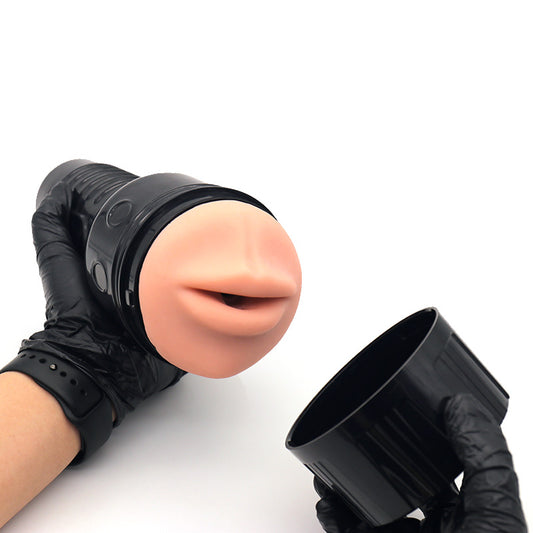
Travel Strokers – Vaginal/Oral/Anal Textures in Portable TPR
Regular price $35.99Regular price -
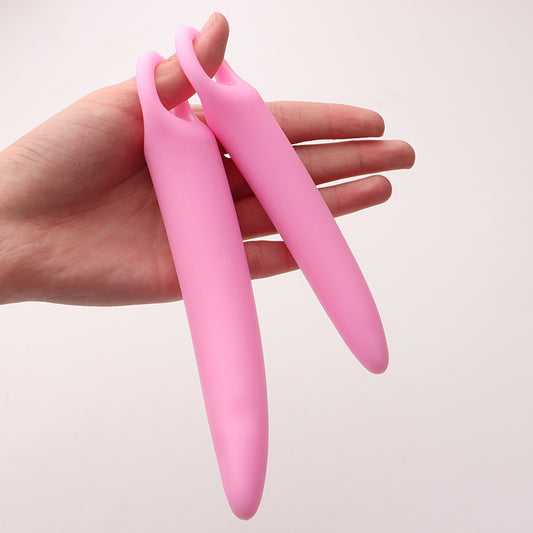
5-Piece Silicone Vaginal Dilator Set – Progressive Pelvic Floor Training Kit
Regular price $29.99Regular price -
Silk Touch Flavored Lube Vagina Anal Lubricant (25ml, 50ml, 100ml, 200ml)
Regular price $8.99Regular price -
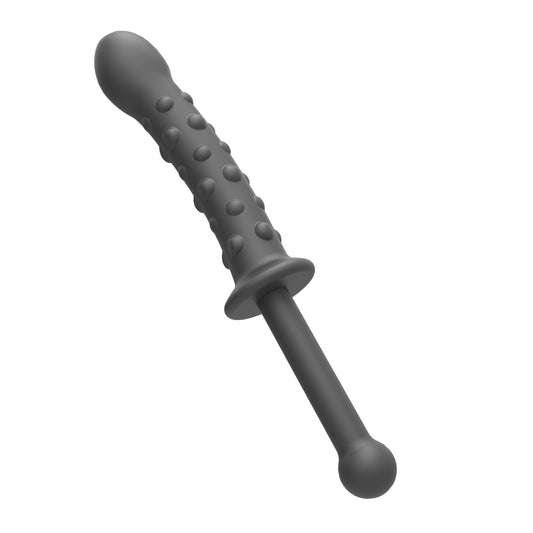
Textured Silicone Vibrator – Perfect for Anal & Vaginal Stimulation
Regular price $24.99Regular price -
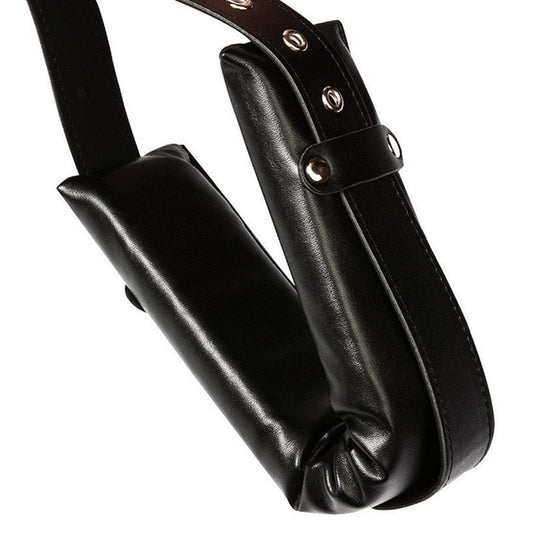
M-Shape Leg Spreader Restraint – Soft, Durable PU Leather BDSM Toy for Beginners & Advanced
Regular price $14.99Regular price -
Tight Grip Pleasure Sleeve – Realistic Vagina Texture
Regular price $28.99Regular price -
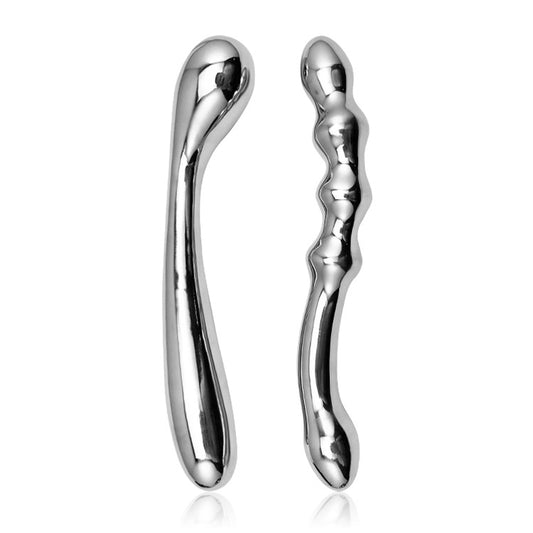
Stainless Steel Double-Ended Dildo – Unisex Anal & Vaginal Pleasure Wand
Regular price $59.99Regular price -
ScrewLock Precision Nipple & Vagina Clamps
Regular price $16.99Regular price -
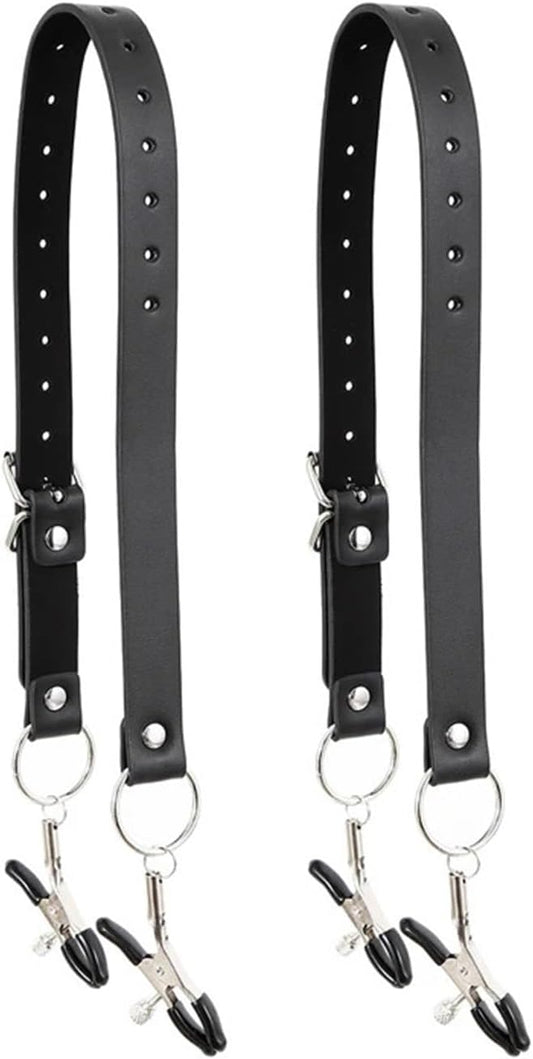
BDSM Labia Spreader Clip Nipple Clitoris Shower
Regular price $15.99Regular price -
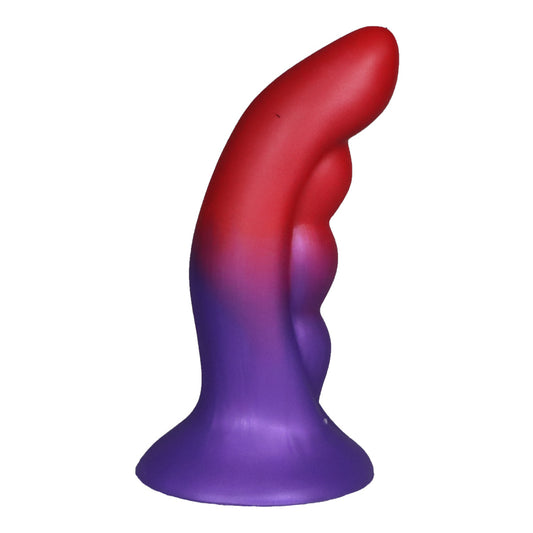
Alien Fantasy Finger Dildo – 6.3” Silicone Gradient Anal & Vaginal Toy with Suction Cup
Regular price $26.99Regular price -
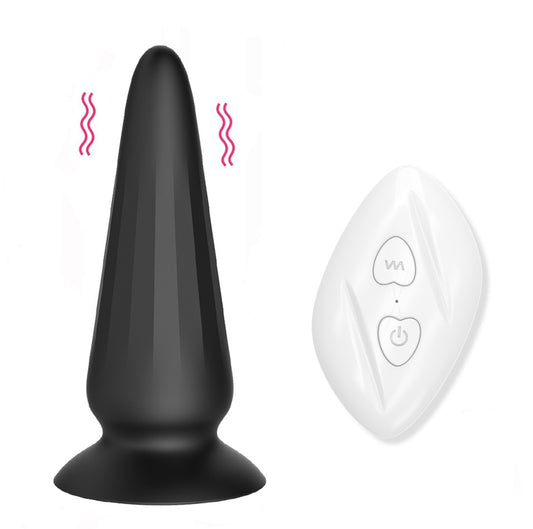
Remote Control Vibrating Butt Plug - Tapered Vaginal Anal Stimulator Prostate Massager
Regular price $25.99Regular price -
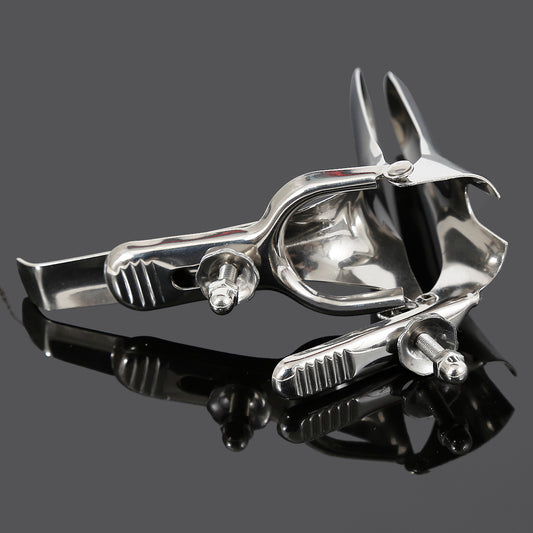
304 Stainless Steel Vaginal Speculum
Regular price $25.99Regular price -
T Shape SM Spreader Bar Hand & Neck Restraints
Regular price $59.99Regular price -
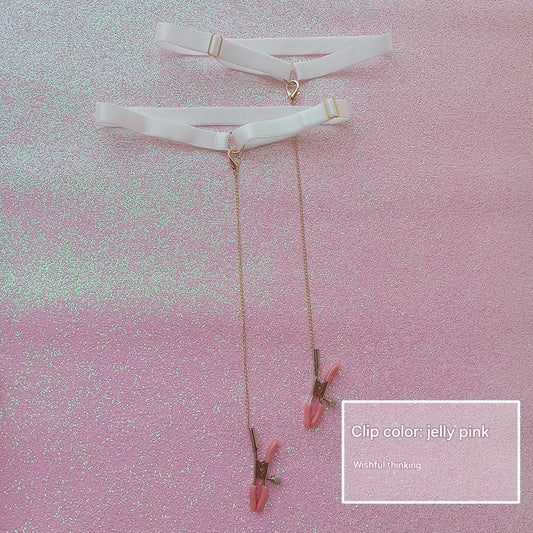
Labia Spreader Clip Clitoris Clamps
Regular price $17.99Regular price -
Gel Intimate Firming Gel Gynecological Care Vaginal Shaping
Regular price $10.99Regular price -
BDSM Bondage Kit Leg Spreader Bar
Regular price $36.99Regular price -
SM Restraints Golden Spreader Bar Handcuffs Shackles
Regular price $135.99Regular price -
Electric Vaginal Speculum
Regular price $29.99Regular price -
SM Spreader Bar Leg Restraints Sex Position Enhancer
Regular price $49.99Regular price -
The Perfect Ben Wa Balls Vagina Tightens Again
Regular price $36.99Regular price













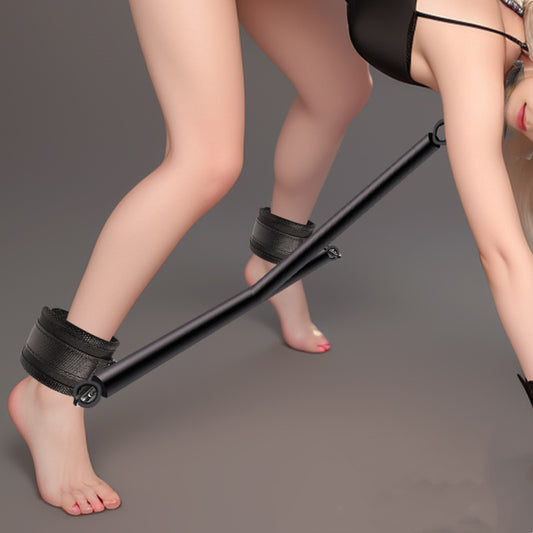

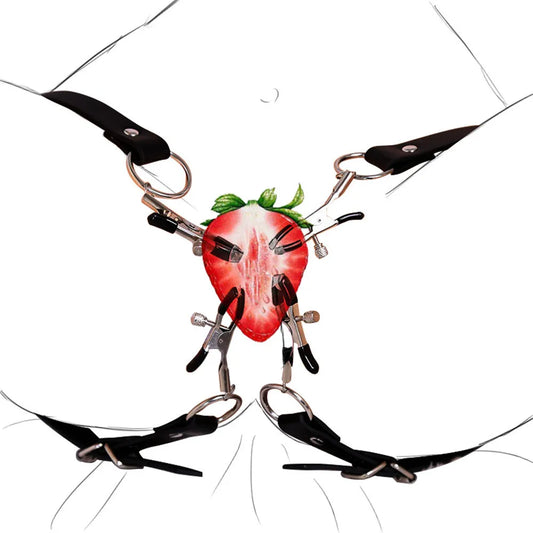


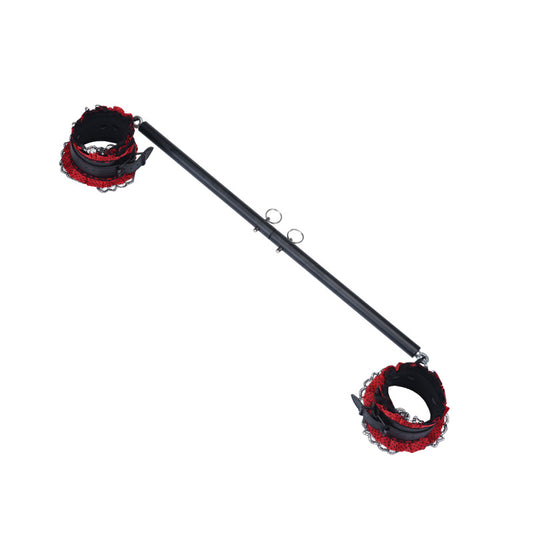

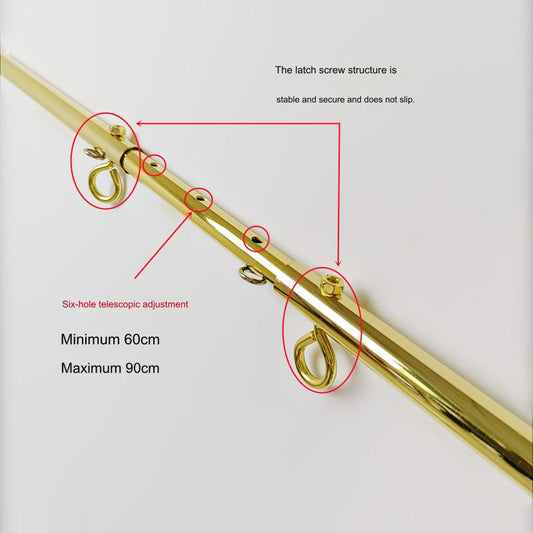

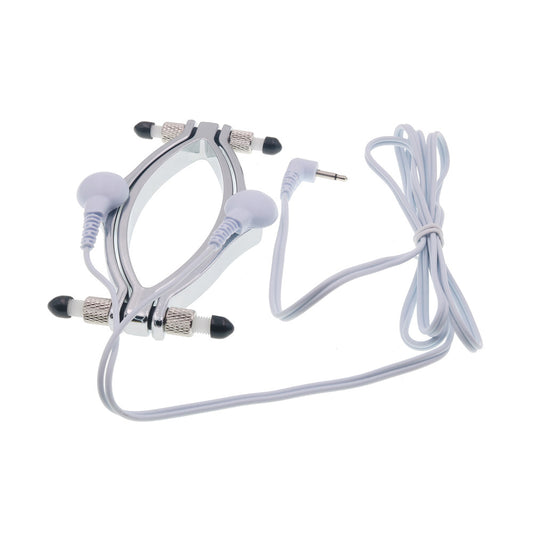



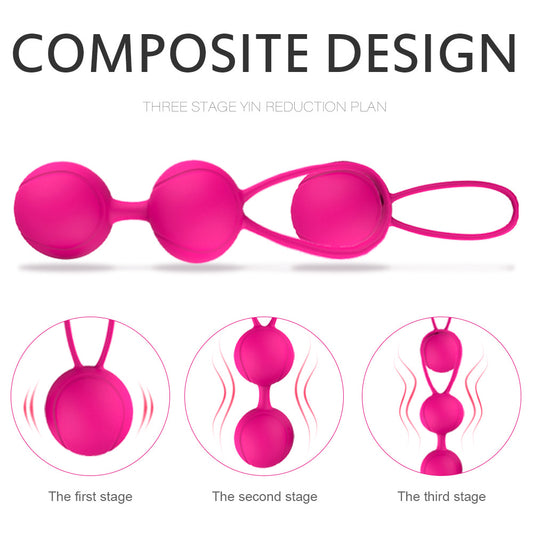
A vagina spreader provides direct, unobstructed access to the clitoris during oral sex, manual stimulation, or intercourse. It removes the need for either partner to hold the labia open by hand. Also called a labia spreader, this device comes in several forms, such as metal clamps, leather straps, or flexible silicone with a metal core. Safety relies on preparation, knowledge of the material, and ongoing communication between partners. This piece explains what a vagina spreader is, how it is different from a vaginal stretching device, and how to choose, prepare, and clean one properly. You’ll also learn which warning signs mean you should stop and seek care.
What Is a Vagina Spreader?
A vagina spreader is not a single device. The term covers tools designed to hold the labia or vaginal walls open, with materials and shapes that differ based on their intended use.
Labia spreaders and vaginal speculums: What is the difference?
A vaginal speculum is a clinical instrument with two hinged arms that resemble a duck's bill. A healthcare provider uses it during pelvic exams or Pap smears to open the vaginal walls by about one inch, which allows them to see the cervix clearly. Speculums come in pediatric, Huffman, Pederson, and Graves sizes. Providers select a size based on your anatomy, age, and whether you have given birth vaginally.
Some speculums include a locking screw on the handle that keeps the blades at a set width. This gives the provider a stable, hands-free view during the exam. A labia or vagina spreader for personal use also holds tissue open, but it does not use the clinical sizing and calibration system of a speculum. Speculums may have one, two, or three blades and can be made from glass, stainless steel, or disposable plastic. Some include a light to improve visibility.
Common uses and limits
Speculums have a specific clinical purpose. Providers use them to check for growths, collect samples, diagnose infections such as yeast infections or bacterial vaginosis, and support procedures such as biopsies, D&C, LEEP, and IUD placement. They are also used during fertility treatments, including artificial insemination.
A vagina spreader used outside a clinical setting serves a different purpose. It holds tissue open to improve visibility or access rather than to diagnose a condition or collect a sample. The widening caused by a speculum is temporary, and the vaginal walls return to their usual shape after the exam.
Why a spreader is not a vaginal stretching treatment
Vaginal stretching is a separate, gradual process that uses vaginal dilators, not a spreader. Dilators are tube-shaped devices made from plastic or silicone. They range from about 2 to 7 inches long and 0.5 to 1.5 inches in diameter. Healthcare providers may recommend them for vaginismus, menopause-related tightness, dyspareunia, vaginal stenosis, or tissue changes after radiation or surgery.
Treatment usually involves progressing through dilator sizes three to four times each week, without using them on consecutive days and under a healthcare provider's guidance. A spreader does not follow this gradual, size-based approach. It should not replace dilator therapy if you have tightness, pain, or scarring that requires medical attention.
Vagina Spreader Safety: Choosing and Preparing a Device
Understand what can go wrong and how to prevent problems before reaching for a vagina spreader.
Risks of pressure, pinching, and tissue injury
Rigid materials and sharp seams on poorly designed devices can create pressure points that pinch tissue, increasing the risk of bleeding and delayed healing. Gaps or seams that do not close smoothly can catch delicate skin. Clicking or rattling mechanisms may also cause involuntary tension, which increases resistance and discomfort. A well-designed device should not cause these issues, so check how it closes and locks before using it on your body.
When to ask a healthcare professional before use
Conditions such as vaginismus, vulvodynia, lichen sclerosus, and vaginal atrophy can make penetration or widening painful. Talk to a healthcare provider before trying a spreader if you have a history of sexual trauma, muscle tension, or chronic vulvar pain. These factors can affect how your body responds to pressure and stretching.
Vagina spreader materials: What to check
Choose non-porous, body-safe materials such as platinum-cured medical-grade silicone, borosilicate glass, surgical-grade stainless steel, or ABS plastic. Avoid jelly rubber, PVC, TPE/TPR, latex, and silicone blends because they can trap bacteria and may contain phthalates that irritate tissue. Check product labels for terms such as "medical-grade," "platinum-cured," or "ISO 10993 tested".
Choosing an adjustable vagina spreader with an easy release
Choose a design with a smooth gap system that prevents pinching as it closes. The release mechanism should work with one hand under pressure.
Agreeing on consent, limits, and a stop signal
Consent must continue throughout use, not only at the start. Agree on a clear stop signal beforehand, and honor it as soon as either partner asks to pause.
How to Use a Vagina Spreader Safely
Correct use of a vagina spreader requires patience rather than speed. Each device works differently, and rushing increases the risk of discomfort or injury.
Read your device's instructions
Manufacturer guidance matters. Some devices, such as certain reusable specula, use a locking toggle that opens and closes the blades. Others use a screw mechanism that holds the blades at a set width once you reach the right position. Learn your device's locking and release system before use to avoid fumbling during use.
Wash your hands and inspect and clean the device
Wash your hands before and after the device touches your body. Check the surface for rough spots, cracks, or seams that could catch tissue. Keep damaged devices away from your body.
Check lubricant needs and material compatibility
Use water-based lubricant. Avoid petroleum jelly, baby oil, and other oil-based products. These products can irritate tissue and may not work with certain device materials.
Position gently without forcing or overstretching
Insert the device slowly. Follow your vagina's natural angle instead of forcing it in a straight line. Deep breaths and relaxed pelvic floor muscles can make insertion easier and reduce resistance. Stop if the device causes discomfort.
Monitor comfort and stop for pain, numbness, or color changes
Pay attention to your own signals and your partner's. Non-verbal cues, such as flinching or tensing, may appear before someone says anything. Respect those signs immediately. Stop completely if you notice pain or numbness, or if the tissue changes color unusually.
Release pressure and remove the device carefully
Loosen the locking mechanism first. Withdraw the device slowly at the same angle used for insertion, with gentle traction. Do not pull it straight out.
Care After Use: Cleaning, Recovery, and Warning Signs
Cleaning your vagina spreader right after use prevents bacteria buildup and may help prevent irritation afterward.
How to clean a vagina spreader based on its material
Nonporous materials such as 100% silicone and glass are easy to wash with liquid soap and warm water. Scrub the surface for about 20 seconds. Stainless steel also cleans easily with soap and warm water. Porous materials, including rubber or jelly blends, can absorb bacteria and residue. Experts advise against using these materials in reusable devices. Submerge silicone, glass, or steel pieces in boiling water for three minutes to deep-clean them. Soak waterproof devices in a bleach solution with five tablespoons of bleach per gallon of water for ten minutes, then wash them again with soap.
Drying, checking for damage, and storage
Let the device air-dry completely before storing it. Leftover moisture can promote bacterial growth. Check the device for cracks, rips, or rough seams after each use, and replace it if you find damage. Keep it in a breathable pouch away from sunlight and damp areas, such as the bathroom.
Allowing irritated tissue to recover before further use
Mild soreness from friction or pressure usually resolves within a few hours or by the next day. Wait until swelling and tenderness have fully resolved before using the device again.
When bleeding, swelling, or ongoing pain needs medical care
Contact a healthcare provider if pain, discharge, or swelling lasts longer than one or two days. Seek care if burning or odor develops.
Conclusion
You should choose body-safe materials, prepare properly, and communicate openly with your partner at the time you use a vaginal spreader. These steps can support comfort and access. Safety should always come before novelty.
Check the device and use water-based lubricant. Stop immediately if you feel pain or notice unusual changes. Clean and store it correctly afterward, then give your body time to recover. These steps can help you use it with confidence and care.