
-
-
Bdsm Bed Straps Restraints Sex 38 Pcs Set
Regular price $85.99Regular price$107.00Sale price $85.99Sale -
-
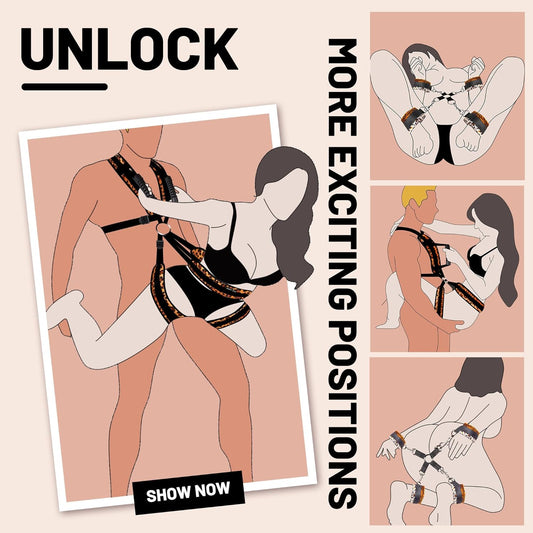
Leopard Print Wearable Sex Swing & Bondage Slave Bdsm Set
Regular price $58.99Regular price$74.00Sale price $58.99Sale -
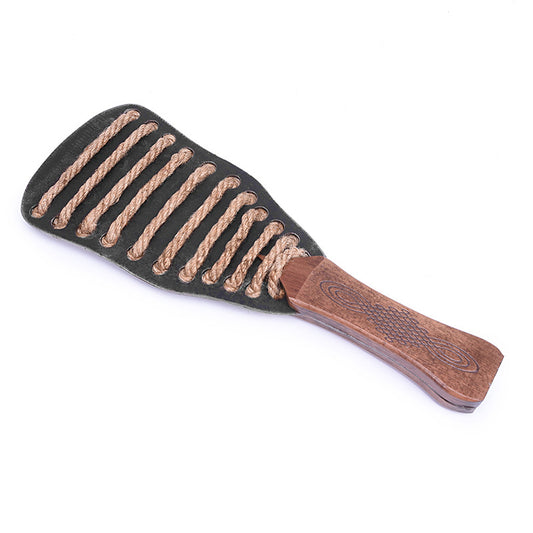
Classics Bdsm Thickened Hemp Rope Sex Spanking Paddles
Regular price $67.99Regular price$85.00Sale price $67.99Sale -
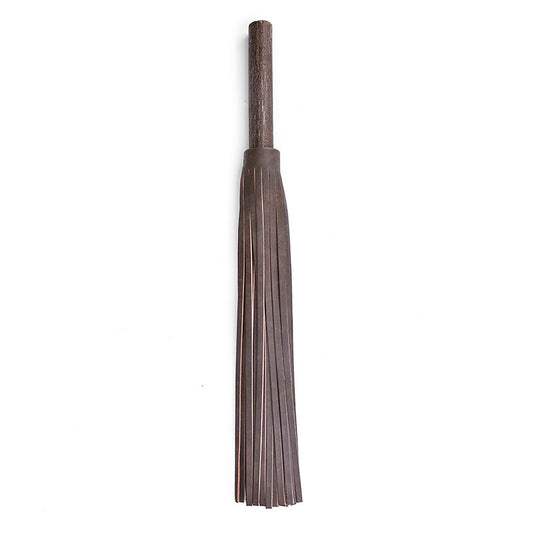
BDSM Vintage Wooden Handle Leather Flogger - 21.4''
Regular price $34.99Regular price$44.00Sale price $34.99Sale -
Bedroom Bondage Restraints Bdsm Kit Sex Toy
Regular price $27.99Regular price$35.00Sale price $27.99Sale -
Wooden BDSM Clamps – Handcrafted Sensory Play Tools
Regular price $10.99Regular price$14.00Sale price $10.99Sale -
-
Funy Bondage Handcuffs Ankle Cuffs Restraints Adult Bdsm
Regular price $21.99Regular price$27.00Sale price $21.99Sale -
Multi-Mode BDSM Bondage Kit – Adjustable Wrist & Ankle Restraints & Accessories for Couples
Regular price $44.99Regular price$56.00Sale price $44.99Sale -
Electric Shock Whip Flogger BDSM
Regular price $119.99Regular price$150.00Sale price $119.99Sale -
Bdsm Bed Straps Restraints Sex 15 Pcs Set
Regular price $35.99Regular price$45.00Sale price $35.99Sale -
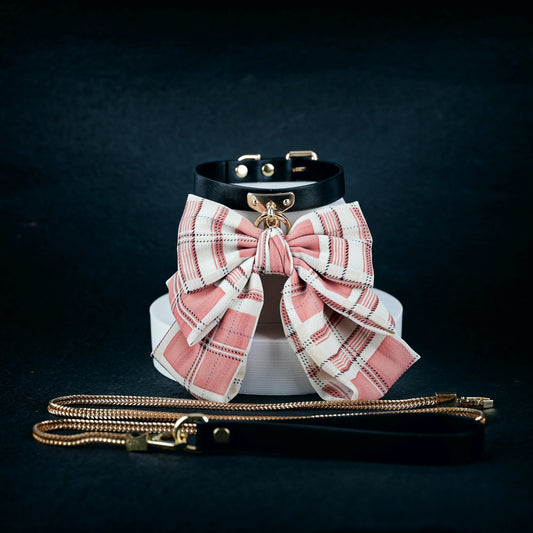
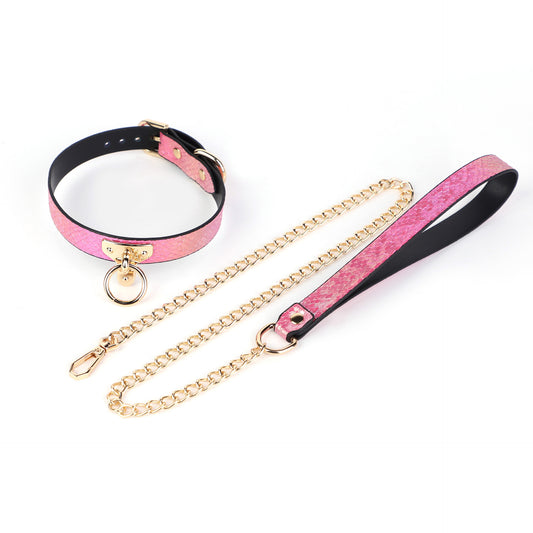
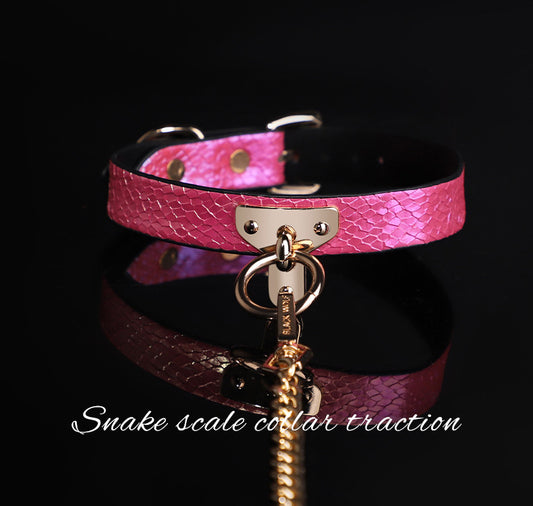
Snake Skin Texture BDSM Collar & Leash Set
Regular price $23.99Regular price$30.00Sale price $23.99Sale -
3.9'' Metal Skeleton BDSM Finger Sleeves
Regular price $18.99Regular price$24.00Sale price $18.99Sale -
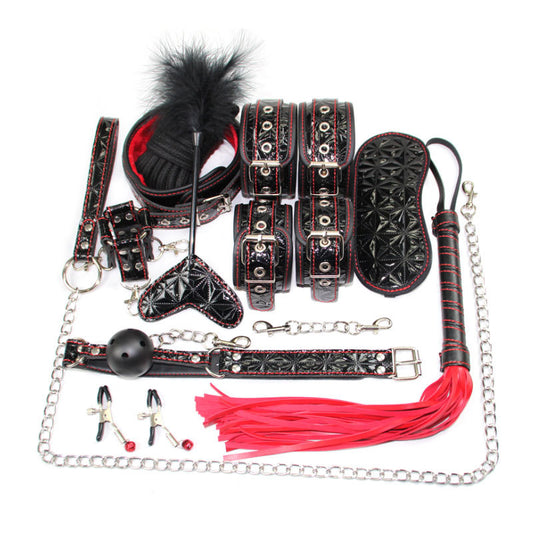
BDSM Master Kit – Full Restraint & Roleplay Set
Regular price $44.99Regular price$34.00Sale price $44.99 -
M-Shape Leg Spreader Restraint – Soft, Durable PU Leather BDSM Toy for Beginners & Advanced
Regular price $14.99Regular price$36.00Sale price $14.99Sale -

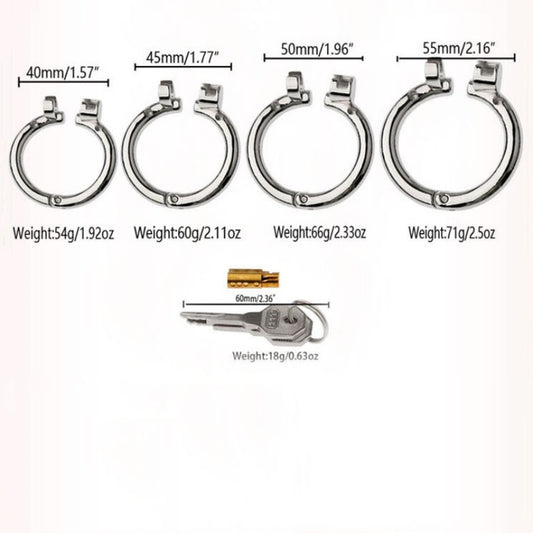
Stainless Steel Cat Paw Chastity Cage with Quick-Lock Clasp – Cute & Secure Design for BDSM Play
Regular price $27.99Regular price$35.00Sale price $27.99Sale -
Bdsm Bed Straps Restraints Sex 11 Pcs Set
Regular price $31.99Regular price$40.00Sale price $31.99Sale -

 Sale





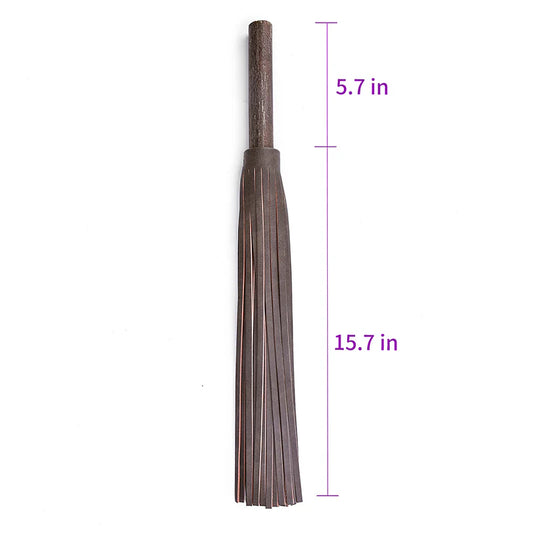




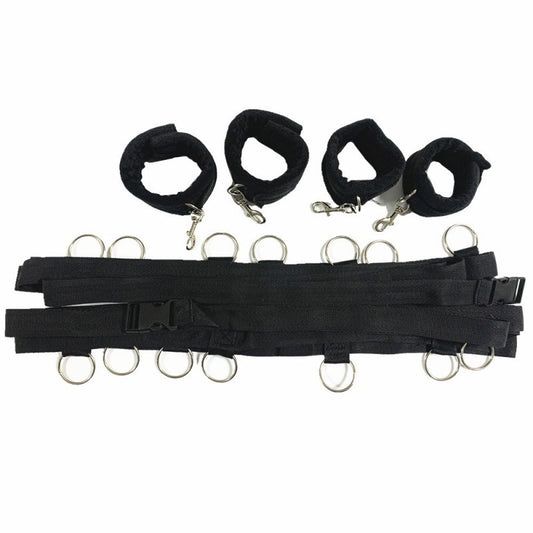




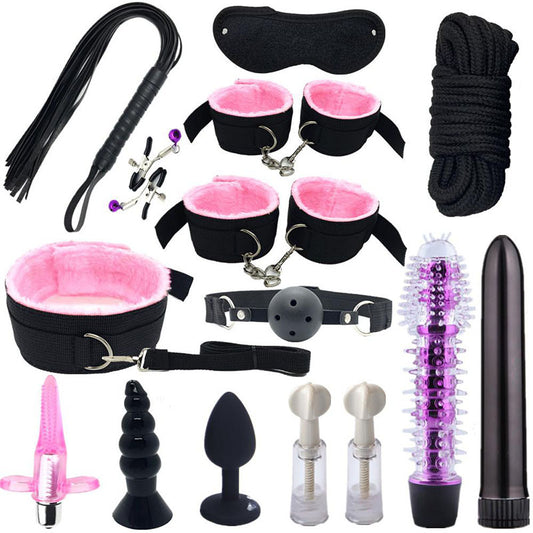


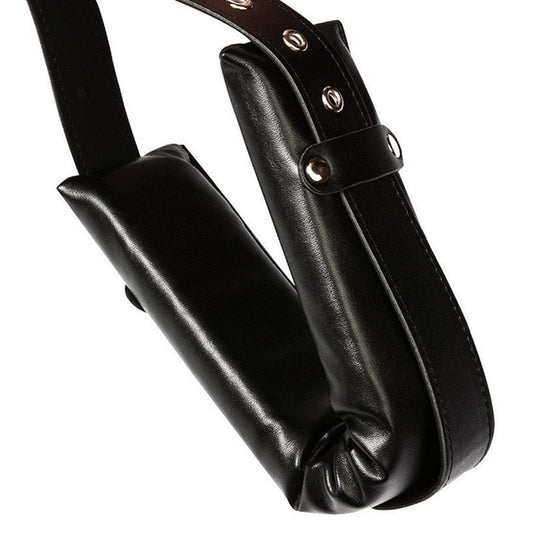


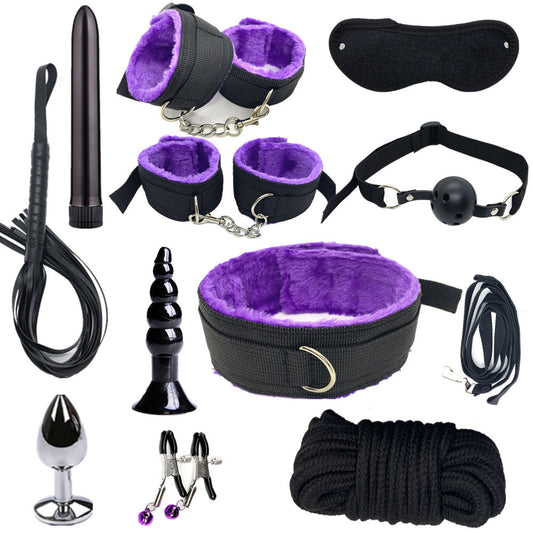

BDSM shackles are the life-blood of bondage play. They create exciting opportunities for power exchange, sensory focus, and new erotic experiences. Whether you prefer wrist or ankle shackles, including sets that attach to beds or dungeon furniture, choosing the right BDSM restraints requires more than guesswork.
BDSM restraints come in materials such as leather and metal, with neoprene also available. Each material provides different levels of support, rigidity, and comfort. Leather BDSM shackles offer a classic look with adjustable sizing, while locking BDSM shackles and padded restraint cuffs provide added security and protect the skin. This piece explains how to choose the right restraint cuffs, which materials suit your needs, and what safety steps to take before your first use.
What Are BDSM Shackles and How Do They Work?
A shackle set works through two parts: the cuff and the closure that secures it. Cuffs fit around a wrist, ankle, or thigh, and clips, buckles, or chains connect them to each other or a fixed point. The connection limits the wearer's movement once secured. A metal clip attached to a D-ring creates the strongest connection, while cuffs permanently sewn to a strap are often less practical over time.
Closures come in several common forms. Buckled cuffs stay secure, while velcro closes faster but may pull apart under pressure. Quick-release clips, often called panic snaps, can free someone in seconds while the cuff stays buckled. That feature can justify the added cost. Metal handcuffs work differently. They use two rigid cuffs connected by a chain or hinge and provide a firm, recognizable restraint with little cushioning against the skin.
Wrist shackles, ankle shackles, and connected sets
Wrist and ankle shackles use a simple design, but manufacturers build them differently. Wrist cuffs are usually narrower and lighter, which makes them a common starting point. They allow many positions while remaining comfortable during longer sessions. Ankle cuffs are often wider and padded to suit the broader joint and help prevent rolling or chafing during active play. Wrist cuffs should not be used on ankles because the poor fit can cause discomfort or provide inadequate support.
A connected set combines both, with wrist and ankle cuffs linked through a central strap or shared attachment points. This arrangement allows bed-based positions, kneeling restraint, and other controlled body configurations. A matched set also keeps the clips and materials consistent across the wrist and ankle pieces. You can restrain one pair of limbs or all four cuffs at once. Detachable connectors add versatility and let you adjust the setup rather than place the wearer in the same position each time.
How shackles differ from bed restraint systems
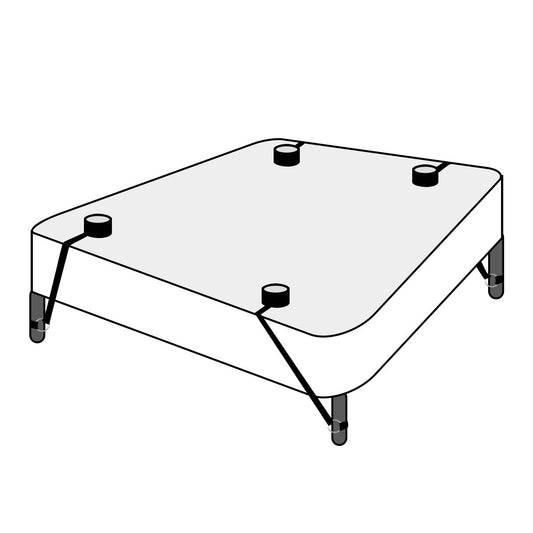
Bed restraint systems use straps that slide beneath the mattress and create anchor points at each corner without drilling or permanent fixtures. Shackles are the cuffs worn on the body, while a bed system provides the structure they attach to. The mattress supports the wearer directly, so this setup is often a beginner-friendly option beyond standalone cuffs, especially when couples want structure without learning rope techniques.
What Are BDSM Shackles Made Of?
Material choice affects how a shackle feels on the skin, how long it lasts, and how much care it needs. Leather, metal, and neoprene each add a different texture and weight to a scene, so the right option depends on the sensation you want.
Leather restraints: support, comfort, and upkeep
Leather cuffs distribute pressure over a wider area than narrow metal designs, making them a common option for longer sessions. Padded versions protect the wrist bone and can reduce bruising caused by movement or struggle. Veg-tanned hides can stay firm for decades with occasional conditioning, while aniline leather remains soft but needs gentler care with only a damp cloth. Oils and saddle soap can damage its porous surface. Leather also shapes itself to the wearer's wrist over time when the original sizing is accurate.
Metal shackles: weight, rigid edges, and skin contact
Metal shackles feel more direct and unforgiving than padded options because narrow steel offers almost no give. A medium stainless steel wrist set weighs about 509 grams, while ankle versions weigh closer to 825 grams, making weight part of the experience. Screw-lock and hex-lock closures keep the cuff secured until a key releases it, so keep the key within reach before you begin.
Neoprene and fabric cuffs: soft, lightweight options
Neoprene and nylon cuffs are soft and lightweight, and Velcro often allows quick adjustment and removal. One nylon spreader bar set weighs only 218 grams in total, so it is easy to pack and travel with discreetly. Many neoprene designs use nickel-free swivel hardware that reduces skin reactions and allows natural wrist movement during play.
Why padding quality and skin-safe materials matter
Industry guidance recommends cuffs at least 1.5 inches wide with interior padding to reduce pressure on bones and nerves. Check the stitching, buckle strength, and material labels before buying to avoid cheap synthetic blends associated with irritation and allergic reactions.
How to Choose the Right Restraint Cuffs
Choosing the right material solves only half the puzzle. Fit and hardware determine whether a cuff stays comfortable during a long scene or becomes a distraction.
Measure wrists and ankles using the maker's size guide
Skip generic labels such as small, medium, or large. Compare actual measurements with the manufacturer's size chart. A snug cuff should still let two fingers slide between the strap and skin. Left and right limbs are not always similar, so adjust each cuff separately instead of using the same hole or notch on both sides.
Check the adjustment range and cuff width
Width affects how pressure spreads across the joint. Ankle cuffs are usually wider than wrist cuffs and have longer connecting chains or straps to accommodate broader leg measurements. Multi-hole buckles and roller-style fasteners allow a precise fit without pinching the skin or restricting blood flow.
Compare quick-release closures and locking BDSM shackles
Velcro closures work well for first-time buyers because they open instantly. Buckle closures with roller hardware offer a traditional, adjustable option. Double D-ring setups fasten with a carabiner or padlock, so keep the key within reach at all times. Choose locking metal cuffs with a double-lock feature that prevents the cuff from tightening after it closes.
Check seams, edges, and connector quality
Construction affects durability. One-piece non-folded cuffs need smooth edges without sharp spots. One-piece folded designs should have a seam along the fold to provide stability. Two-piece builds are often the gold standard because they combine a stiffer outer material with a soft inner lining and padding between the layers. Stainless steel D-rings last longer as attachment points than plastic alternatives.
Compare total cost, warranty, and return terms
Return policies vary by retailer. Some sellers treat all sales as final, except for their branded products that include a one-year warranty for defects. Other sellers offer a 30-day return window with a one-year warranty. Read the fine print before checkout to avoid problems later.
Safety and Care to Plan Before First Use
Good gear works only with clear ground rules before anyone buckles it on.
Agree on consent, limits, and clear stop signals
Discuss what you want to try, what remains off-limits, and how either person can pause immediately. A safe word or traffic-light system (green, orange, red) gives both partners a shared way to stop play.
Keep release tools within reach and never leave someone restrained alone
Place keys or safety shears within arm's reach before locking any cuff. Never step away while someone is restrained.
Stop for pain, numbness, swelling, or changes in skin color
Remove the cuff immediately if fingers feel cold, look pale, or begin to tingle. These signs can indicate circulation or nerve problems.
Avoid neck pressure, suspension, and overnight wear
Strangulation is the leading cause of death in BDSM incidents. Drugs or alcohol were involved in 64% of fatal cases, so keep pressure off the throat and stay sober.
Start with brief use and discuss comfort afterward
Keep first sessions between 15 and 30 minutes. Talk afterward about what felt good and what did not.
Follow material-specific cleaning and storage instructions
Wipe leather with a damp cloth, hand-wash neoprene, and dry metal hardware before storing it.
Conclusion
The right BDSM shackles depend on the material, fit, and hardware that suit the way you plan to play. Leather, metal, and neoprene create different sensations, so balance comfort and durability before you buy. Consent, quick-release access, and attention to circulation help keep every session safe. Once you understand these simple points, you can buckle in with confidence and enjoy bondage play responsibly.