
-
Rose Tongue Clit Licking Dual Vibrator Dildo
Regular price $53.99Regular price$62.00Sale price $53.99Sale -

 Sale
Sale -
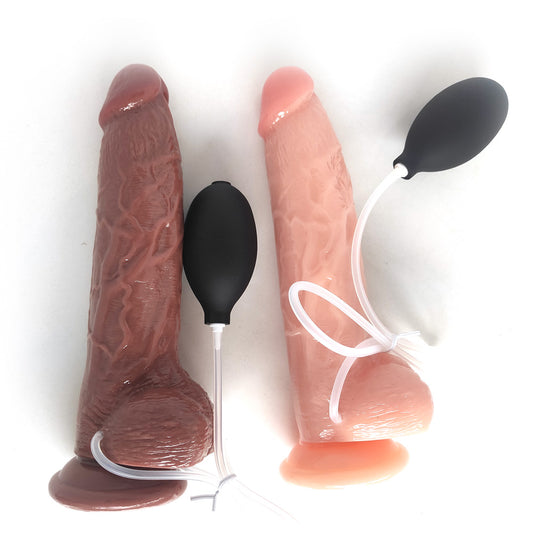
Realistic Squirting Dildo Ejaculating Penis For Beginners
Regular price $39.99Regular price$41.00Sale price $39.99Sale -
-
Clitoral G Spot Vibrator 2 in 1 Dildo Vibrator 10 Vibration Modes
Regular price $41.99Regular price$52.00Sale price $41.99Sale -
Small Realistic Clear 6 inch Cute Dildo with Suction Cup Dildo
Regular price From $22.99Regular price$25.00Sale price From $22.99Sale -
-
Realistic Ejaculating Dildo
Regular price $59.99Regular price$59.00Sale price $59.99 -

 Sale
Sale -
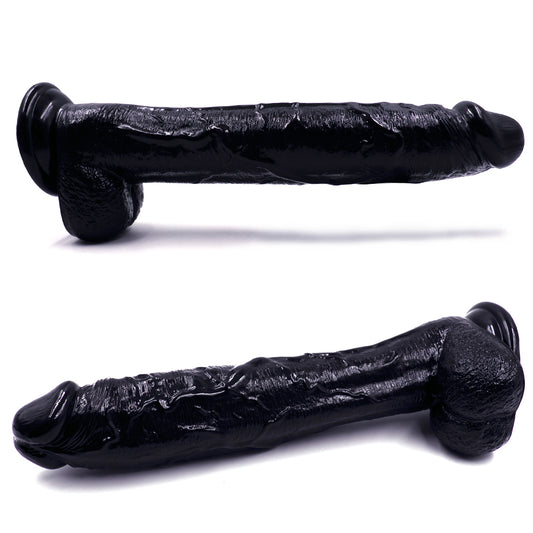
Realistic Silicone Extra Long 12-inches Big Dildo
Regular price $39.99Regular price$32.00Sale price $39.99 -
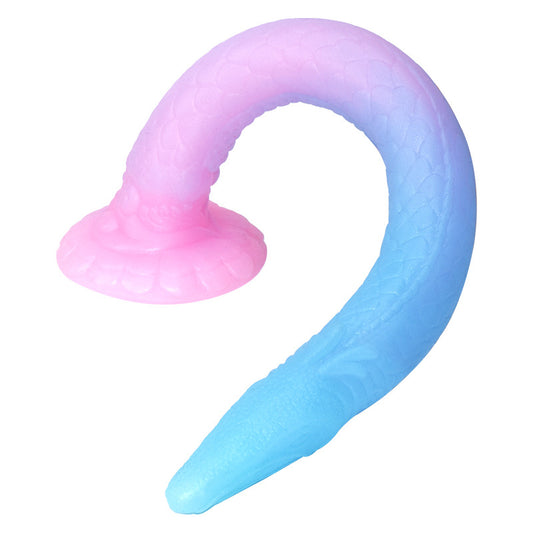
Glow-in-the-Dark Silicone Monster Dildo
Regular price From $26.99Regular price$29.99Sale price From $26.99Sale -
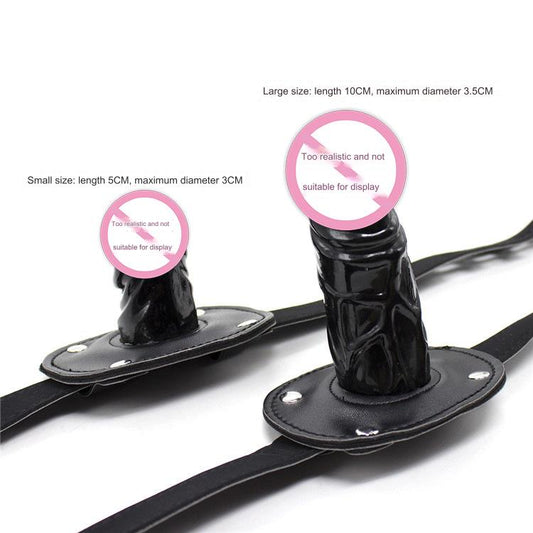
Penis Dildo Mouth Gag
Regular price $19.99Regular price$19.00Sale price $19.99 -
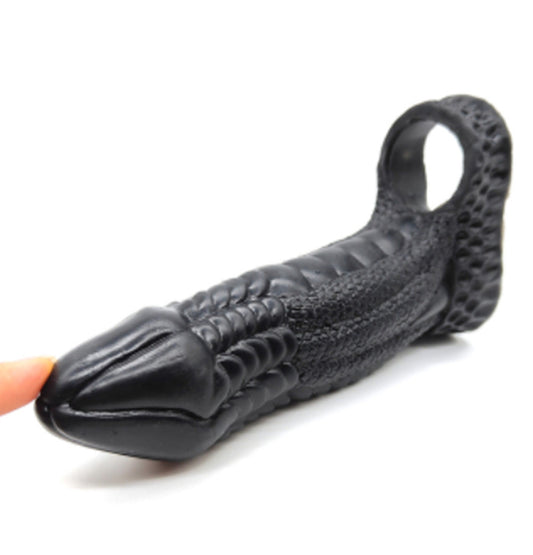
Monster Dildo Silicone Penis Sleeve
Regular price $69.99Regular price$99.00Sale price $69.99Sale -
7 Inch Realistic Ultra-Soft Dog Knot Dildo Silicone Animal Penis
Regular price $34.99Regular price$54.00Sale price $34.99Sale -
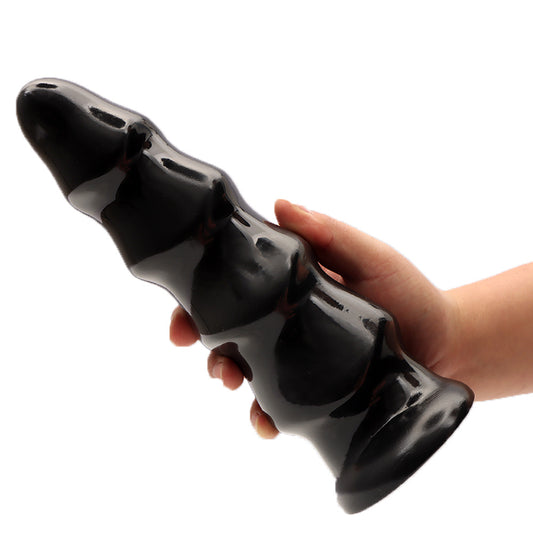
Super Huge Thick Animal Horse Dildo
Regular price From $66.99Regular price$76.99Sale price From $66.99Sale -
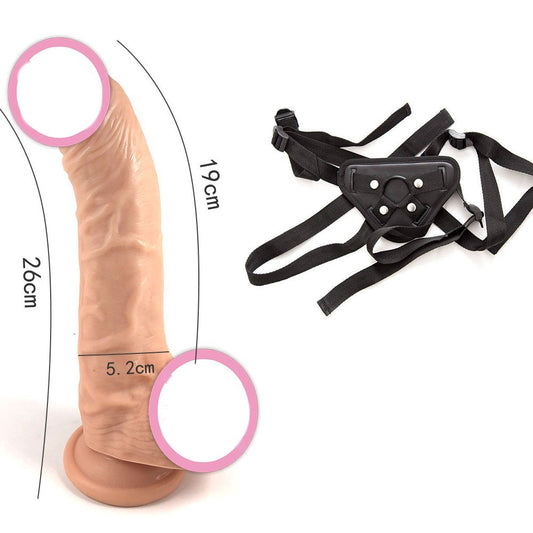
Realistic Suction Cup Dildo – Body-Safe TPE, Textured & Flexible for G-Spot & Anal Play
Regular price From $38.99Regular price$37.00Sale price From $38.99 -
-
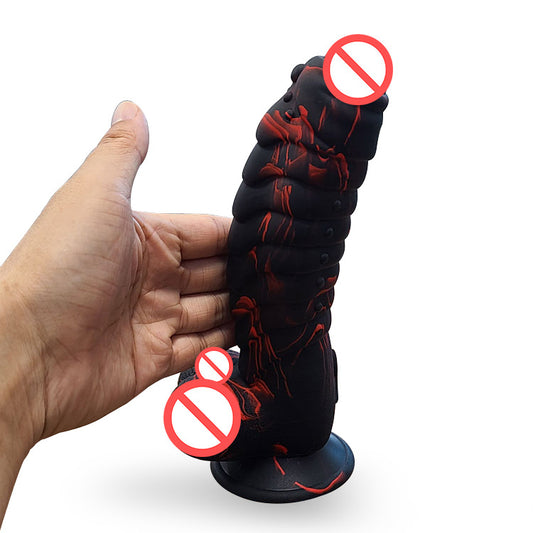
7.8'' Fantasy Dragon Dildo With Multi-texture Design & Glow-in-the-dark Effect
Regular price $38.99Regular price$49.00Sale price $38.99Sale -
Ealistic Suction Cup Dildo With Squeezable Bulb
Regular price $33.99Regular price$42.00Sale price $33.99Sale -

 Sale
Sale
















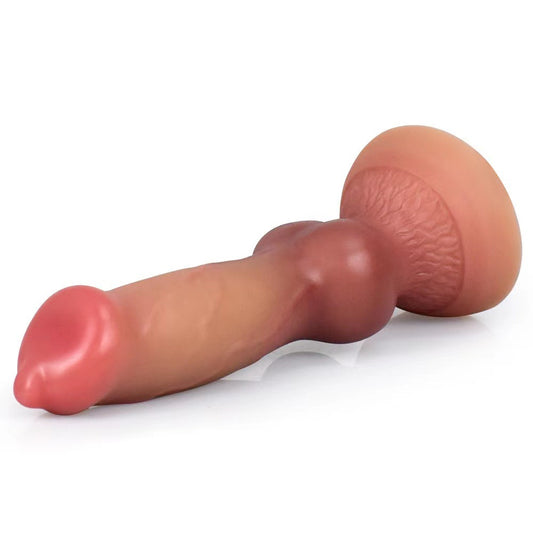
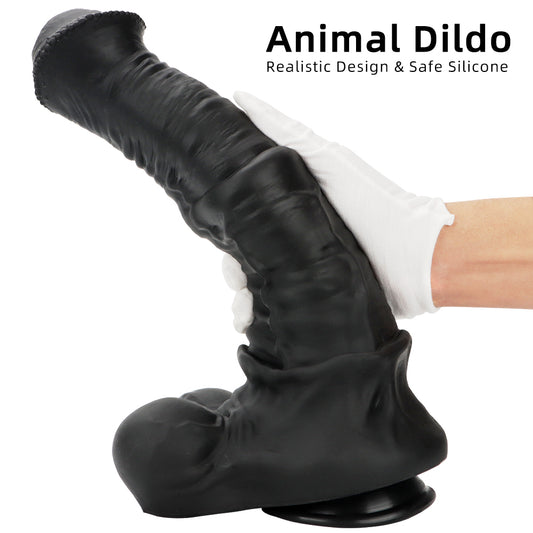
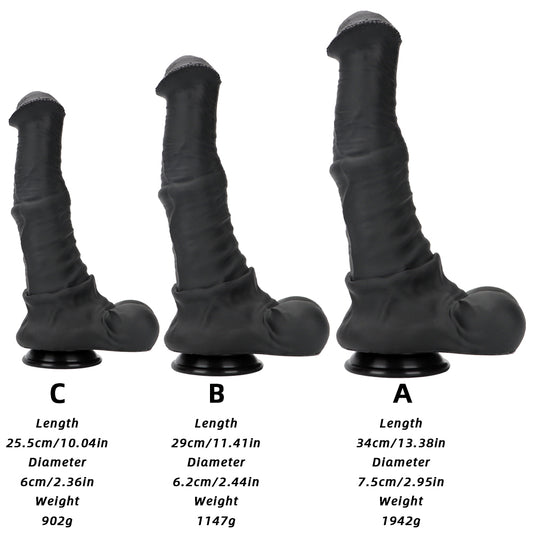

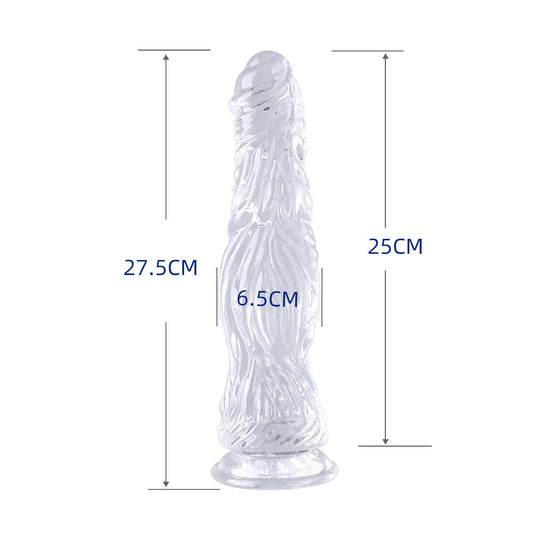

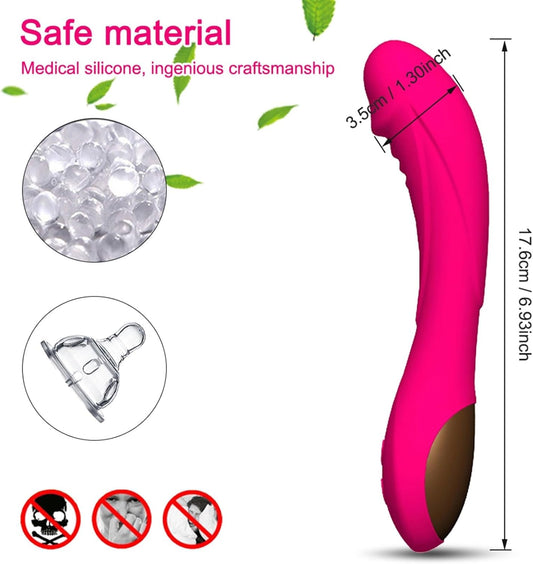

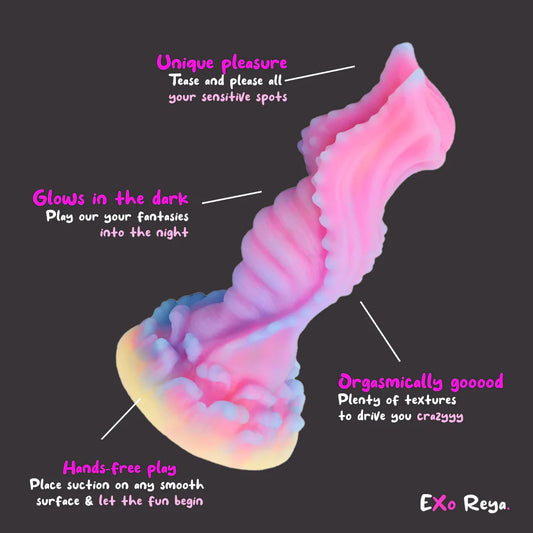

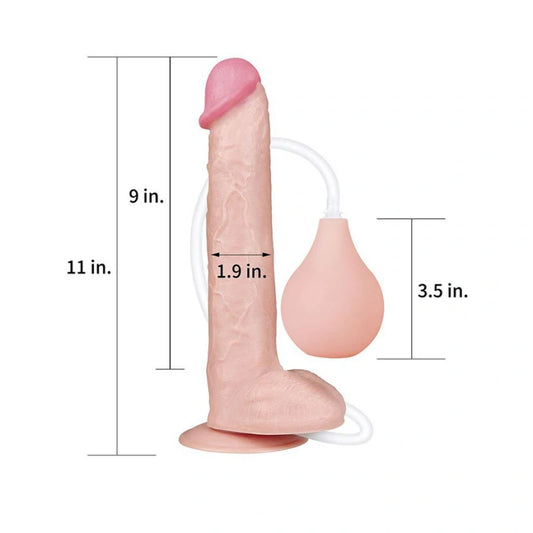

Adult toy dildos have existed for centuries. Archeologists discovered one dating back more than 28,000 years. These intimate accessories provide internal stimulation to pleasure points like the G-spot and prostate. Many options exist, including silicone and vibrating dildos. Understanding the different types of dildos and how to choose the right dildo can improve your experience. This piece covers dildo materials, dildo sizes, safety practices and maintenance to help you make informed decisions about the best adult toy dildos for your needs.
What Are Adult Toy Dildos?
Basic Definition and Purpose
A dildo is a sex toy designed for sexual penetration. Most are phallic in shape and intended for insertion into the vagina, anus, or mouth. You control the depth, speed, and angle manually, which is different from motorized options. These toys provide a feeling of fullness and internal stimulation to areas like the G-spot or prostate.
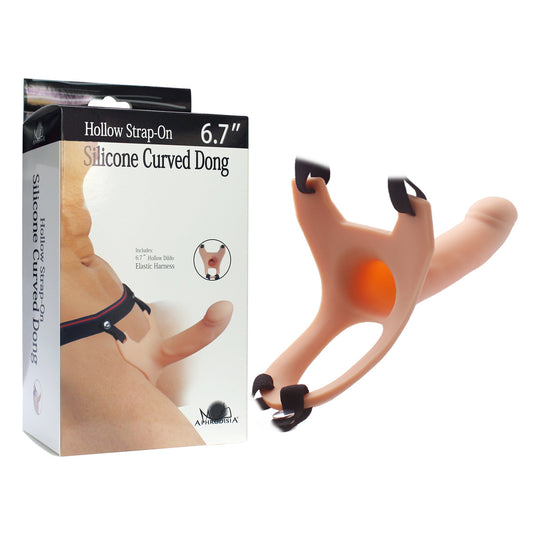
Dildos don't need to resemble a biological penis. You'll find them in abstract shapes, various textures, and artistic designs that cater to different priorities. People of all genders and sexual orientations use these devices for masturbation or partner play. Some feature suction cup bases for hands-free positioning. Others come with harness compatibility for strap-on use. Double-ended versions allow two partners to share a single toy at the same time.
Historical Context
The oldest known dildo dates back approximately 28,000 to 30,000 years. Researchers from Tübingen University found this 20cm-long, 3cm-wide siltstone object in the Hohle Fels Cave near Ulm, Germany in 2005. The artifact featured etched rings around the top and a polished end, showing frequent use.
Archeological discoveries throughout Eurasia reveal suspected dildos from 40,000 to 10,000 BCE. A Mesolithic site in Motala, Sweden unearthed models dating back 4,000 to 6,000 years. Similar finds in Pakistan come from the same period. Prehistoric double-headed dildos have been found dating anywhere from 13,000 to 19,000 years ago.
Ancient civilizations incorporated dildos into daily life. Greek literature references eight-fingered leather dildos in Aristophanes' play Lysistrata from 411 BCE. The Old Testament mentions phallic images in Ezekiel 16:17. Chinese women in the 15th century used lacquered wood dildos with textured surfaces. Dildos were crafted from leather, wood, and stone in Italy during the same period. Rome's first wooden phallus measures 16cm now but was larger before shrinking with age.
How Dildos Differ from Vibrators
Dildos lack a built-in motor. This makes them fundamentally different from vibrators. You provide all movement and control the sensations through manual manipulation. This gives you complete control over rhythm, pressure, and positioning.
Vibrators add buzzing, pulsing, or humming sensations through their motors. Dildos focus purely on penetration and the feeling of fullness. Some users find vibrators lead to quicker orgasms, while dildos feel more organic. Vibrating dildos exist as hybrid options. These toys remain hollow in the center to accommodate a small vibrating bullet that turns them into vibrating versions.
Your body's response determines which works best. Dildos suit those who want to feel present and in control during use. They help you understand depth, tension, and stretch without the distraction of mechanical stimulation. Vibrators appeal when you seek intense clitoral stimulation or need extra sensation to reach climax. Many people own both types and choose based on mood and desired experience.
Different Types of Dildos
Choosing from different types of dildos involves understanding how materials, shapes, and features affect your experience. Each category serves specific priorities and play styles.
Realistic Dildos
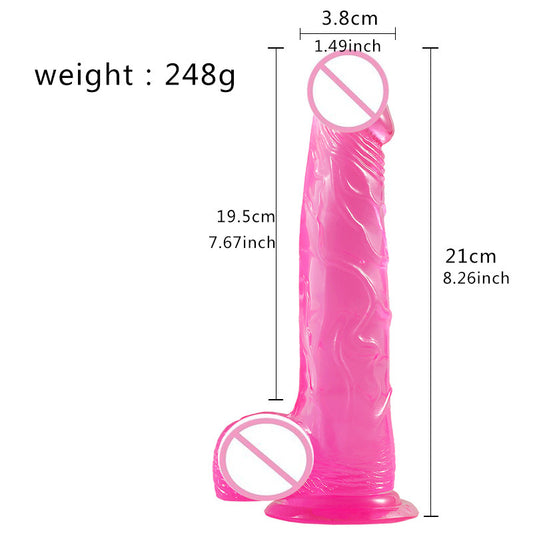
Realistic dildos replicate the appearance of a penis with detailed features like veins, ridges, defined heads, and sometimes testicles. Dual-density construction creates the most authentic versions. This combines a firm inner core with a softer outer layer that mimics skin texture. You get a more lifelike feel compared to uniformly firm options.
These dildos work well if you seek visual and physical authenticity. Raised veining and surface detail create gentle friction along vaginal or anal walls during movement. Many feature moderate to full girth following average human proportions. Materials include dual-density silicone, TPE (thermoplastic elastomer), or rubber. TPE remains porous and harder to sanitize fully compared to pure silicone.
Glass Dildos
Borosilicate glass makes up glass dildos—the same durable material used in Pyrex kitchenware. This non-porous, hypoallergenic material resists thermal shock and holds temperature well. You can warm or cool these toys in water before use for temperature play sensations.
Glass provides precise pressure because of its firm, inflexible nature. This makes it ideal for targeted G-spot or prostate stimulation. The smooth surface requires minimal lubrication and works with any lube type. Glass dildos are easy to clean and can be boiled for complete sterilization. They're visually striking, available in clear, colored, or textured designs. The hardness feels intense compared to flexible materials, so they suit users who enjoy firm penetration.
Silicone Dildos
Silicone stands as the gold standard for dildo materials. This body-safe, non-porous substance resists bacteria buildup and cleans with soap and water. Silicone warms to body temperature quickly and feels smooth against skin. Research shows that 52.5% of women have used a vibrator or dildo at some point.
Manufacturers can create various firmness levels because of the material's versatility, from very soft to quite firm. Silicone dildos come in countless shapes, colors, and textures, including curved designs for internal stimulation. They withstand repeated use without degrading. Use only water-based lubricants with silicone toys. Silicone-based lubes can damage the material's surface.
Vibrating Dildos
Vibrating dildos combine penetration with buzzing sensations. Some models feature built-in motors in the shaft. Others have openings at the base that accommodate bullet vibrators. This hybrid design lets you adjust vibration intensity through multiple speeds and patterns.
These toys appeal to users who want both fullness and clitoral or internal stimulation. Many feature controls ranging from simple buttons to wireless remotes or app connectivity. Vibrating bases provide stimulation for the wearer as well during strap-on use.
Dual-Ended Dildos
Dual-ended dildos feature two insertable heads connected by a long shaft. They measure 11 to 18 inches in total length. These toys allow simultaneous penetration for two partners or double penetration for one person (vaginal and anal use together).
Materials include silicone, rubber, glass, or plastic. Firmness varies by material, with firmer options providing better stability during partnered use. Both partners can experience vaginal, anal, or oral stimulation depending on positioning. One person usually needs to stabilize and guide the toy for comfortable shared use.
Suction Cup Dildos
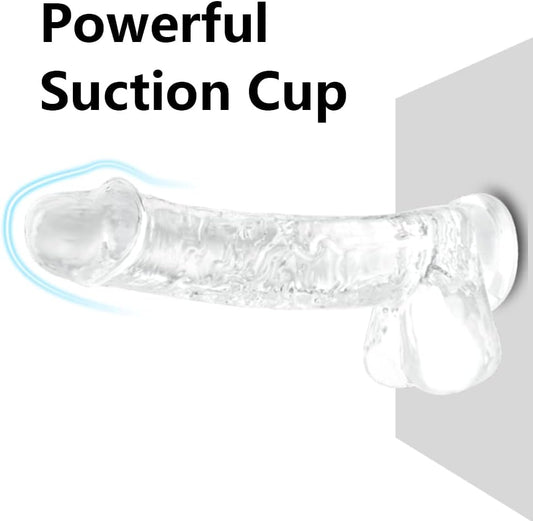
Suction cup dildos feature a specialized base that adheres to smooth, flat surfaces like shower walls, floors, headboards, or mirrors. This hands-free design frees your hands for supporting your body or stimulating other areas.
Suction cup depth affects grip strength. Deeper cups create stronger vacuums. Silicone remains the preferred material over porous alternatives like TPE or rubber. Clean and dry the surface first for secure mounting. Press the base firmly to expel air bubbles and hold for several seconds. You can wet the cup's inner rim with warm water to improve the seal. The flared base also makes these harness-compatible for strap-on play.
How to Choose the Right Dildo
Material selection affects your ownership experience more than anything else. Body-safe options determine how well you can clean your toy and whether bacteria can penetrate its surface.
Think About Dildo Materials
Non-porous materials prevent bacteria from setting up residence inside the toy's structure. Medical-grade silicone, stainless steel (304 or 316 grade), borosilicate glass and ABS hard plastic meet this standard. You can sanitize these materials between uses and they won't degrade with regular cleaning.
Porous materials trap fluids and microorganisms whatever cleaning effort you put in. A 2006 study in Environmental Science & Technology found some jelly rubber toys released phthalate concentrations high enough to exceed EU safety limits within minutes of contact. Materials to avoid include:
- Jelly rubber (contains phthalates and has a strong chemical odor)
- TPE and TPR (semi-porous, cannot be sterilized)
- PVC plastics (may contain toxic additives)
- Silicone blends (marketed as silicone but mixed with porous materials)
Medical-grade silicone remains the most versatile choice. This hypoallergenic material warms to body temperature, comes in various firmness levels and lasts years with proper care. Glass and metal work well for temperature play and provide firm pressure. To name just one example, you can cool or warm stainless steel toys before use for different sensations.
Review Dildo Sizes
Diameter affects comfort more than length. A toy that's too thick causes discomfort from the first moment, while excessive length limits full insertion. The best dildo size for beginners measures 10-13 cm (4-5 inches) insertable length and 2.5-3.5 cm (1-1.4 inches) diameter.
Girth calculations matter because product listings quote either diameter (width across) or circumference (distance around). The conversion: circumference ÷ 3.14 = diameter. Pick by diameter first when choosing between two sizes. Material firmness changes perception too. Firmer materials like glass feel more intense than silicone at similar measurements, so size down by about 0.5 cm in diameter when choosing rigid options.
Assess Shape and Curve
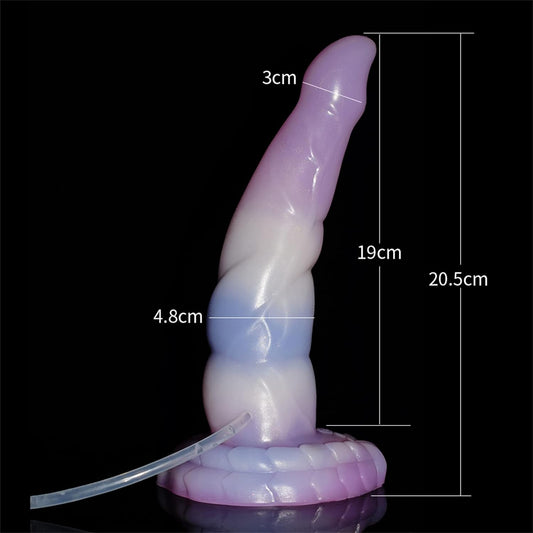
Straight dildos offer versatility across positions and remain the best choice for beginners. Curved designs target specific anatomy, with upward angles reaching the G-spot or prostate more directly. The curve angle determines sensation intensity. Subtle curves work across multiple uses, while pronounced angles deliver stronger targeted pressure.
Check for Flared Base
Flared bases serve multiple functions beyond anal safety. Between 2012 and 2021, nearly 39,000 emergency department visits involved rectal foreign bodies. The widened bottom prevents toys from being pulled inside the body during anal use.
These bases also improve handling once you apply lubrication and make toys harness-compatible for strap-on play or hands-free mounting. Toys without flared bases limit usage options and create safety concerns.
Lube Compatibility
Water-based lubricants work with all toy materials. Silicone-based lubricants react chemically with silicone toys and cause the surface to swell, become tacky and degrade over time. The damage accumulates as lube molecules bond with the toy's surface. Oil-based options aren't safe for porous materials and prove harder to clean from textured surfaces.
Safety Guidelines for Using Dildos
Safe usage starts with understanding how your body responds and what conditions minimize risk during play. The right practices protect against infections, injuries and material-related complications.
Body-Safe Materials to Look For
Phthalates found in jelly rubber toys can leach into your body during use. Some release concentrations that exceed EU safety limits within minutes of contact. Stick to certified medical-grade materials that won't release chemicals or harbor bacteria. Non-porous surfaces like 100% medical-grade silicone, borosilicate glass, stainless steel (316L grade) and ABS plastic can be sanitized between uses.
Proper Lubrication Techniques
Apply a generous amount of water-based lubricant before insertion, roughly the size of a ten pence coin to start. Water-based formulas work with all dildo materials and won't degrade surfaces. Anal play makes lubrication essential rather than optional since the anus doesn't self-lubricate. Anal penetration without adequate lube can cause fissures, which are tears in the intestinal lining.
Reapply lubricant as needed during extended sessions. Water-based lubes absorb into skin and dry out over time, so add more when you notice increased friction. Silicone-based lubes last longer but damage silicone toys and make the material gummy and bacteria-prone. Oil-based options aren't compatible with latex condoms and prove difficult to wash from textured surfaces.
Using Condoms with Dildos
Use condoms when sharing adult toy dildos with a partner. Chlamydia, herpes, syphilis and gonorrhea spread via shared toys through bodily fluids left on surfaces. Apply a fresh condom every time the toy changes hands, not once per session but once per person.
A dildo that switches from anus to vagina requires a new condom each time. Anal bacteria entering the vagina can trigger UTIs and bacterial vaginosis. This applies even when using the toy on yourself. Porous materials like jelly, rubber or TPE need condoms every time since these materials can't be sterilized.
Choose latex, polyurethane or polyisoprene condoms to protect against STIs. Avoid lambskin condoms as they prevent pregnancy but don't block pathogens that spread infections.
Recognizing Discomfort and When to Stop
Stop right away if you experience sharp or stabbing pain inside the vagina or pelvis. Light discharge is normal, but spotting beyond that signals potential injury. So does severe cramping that lasts more than a few hours or unusual green or yellow discharge. Urinary changes like burning, difficulty urinating or blood in urine require medical attention.
Cleaning and Maintaining Your Dildo
Cleaning Methods by Material Type
Wash your dildo after each use with warm water and mild, unscented soap. Work the soap into a lather and massage textured areas with your thumb to reach all crevices. Rinse really well until no soap residue remains, then air-dry on a clean towel.
Non-motorized silicone, glass and stainless steel dildos can be boiled for 3-5 minutes to sterilize them. Place a washcloth in the pot to prevent toys from banging against sides. You can also run these materials through the dishwasher's sanitize cycle without detergent. Motorized toys require a different approach: wipe with a damp, soapy cloth and keep water away from battery compartments.
Porous materials like TPE and rubber cannot be sterilized. Wash twice with mild soap and water, then dry really well. Replace these toys every 3-6 months to prevent bacterial buildup.
Storage Best Practices
Store silicone toys separately from other materials. Two silicone surfaces that press together over time can chemically react and degrade. Keep each toy in its own breathable fabric pouch, not plastic bags, to prevent moisture buildup. Remove batteries from motorized toys to avoid corrosion and drainage.
Choose cool, dark and dry locations away from direct sunlight and heat sources. Extreme temperatures warp materials and accelerate degradation.
When to Replace Your Dildo
Replace your dildo if you notice sticky or tacky surfaces, visible cracks, discoloration that won't wash off or persistent odors after cleaning really well. Pure silicone dildos without electronics can last a decade or more with proper care. Motorized toys last 2-5 years, with rechargeable batteries declining after 300-500 charge cycles.
Conclusion
Adult toy dildos offer varied experiences depending on material, size, and design. Your safety and satisfaction depend on choosing body-safe, non-porous materials like medical-grade silicone or stainless steel. Think about diameter before length when selecting the best dildo to meet your needs. Assess shape based on desired stimulation and verify the base suits your intended use.
Proper maintenance extends your toy's lifespan substantially. Clean after each use and store separately from other silicone items. Replace when you notice material degradation. These guidelines will help you make informed decisions that prioritize both pleasure and well-being.