
-
Finger Vibrator G-spot Clit Massager Stimulator Sex Toys for Women Rechargeable
Regular price $19.99Regular price$25.00Sale price $19.99Sale -
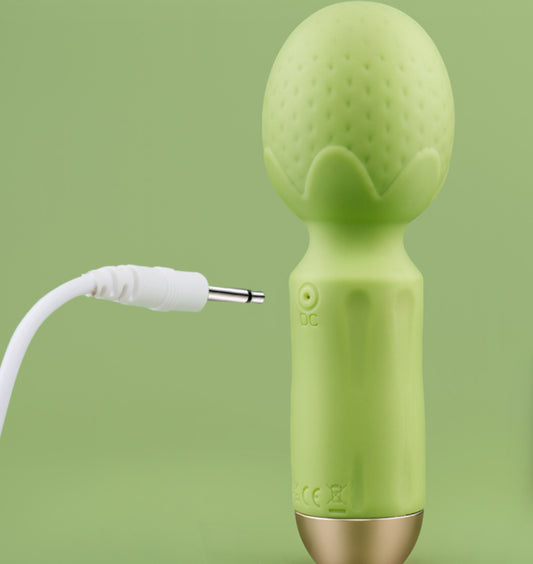
Strawberry Women Vibrator Toy - 10 Vibration Mode - USB Rechargeable
Regular price $39.99Regular price$47.00Sale price $39.99Sale -
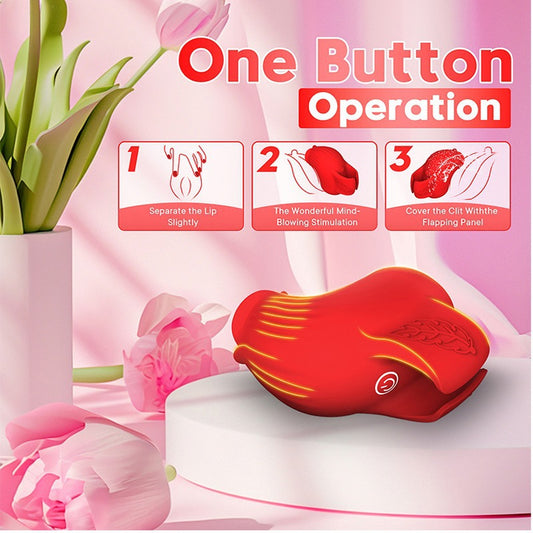
Rose Toy Finger Wearable Vibrator for Women patting Egg Clitoris Stimulator
Regular price $26.99Regular price$34.00Sale price $26.99Sale -
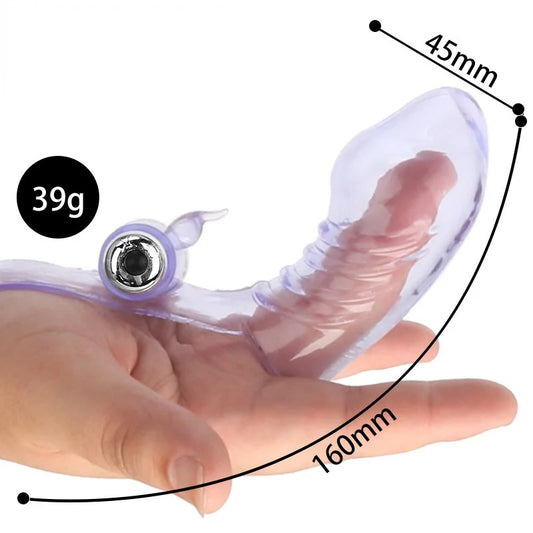
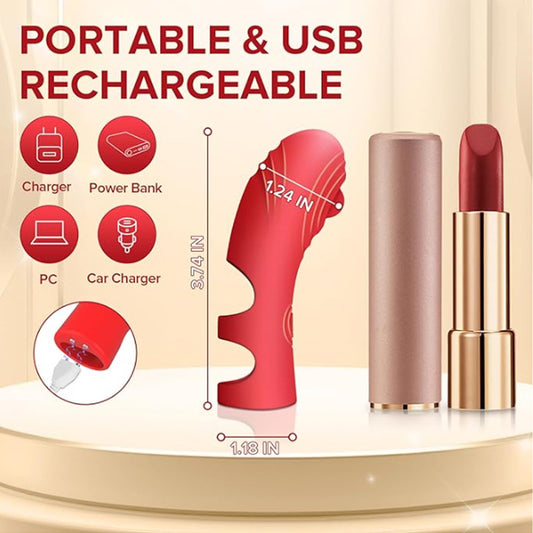
Finger Sleeve Vibrator Clit Stimulate
Regular price $17.99Regular price$21.00Sale price $17.99Sale -
-
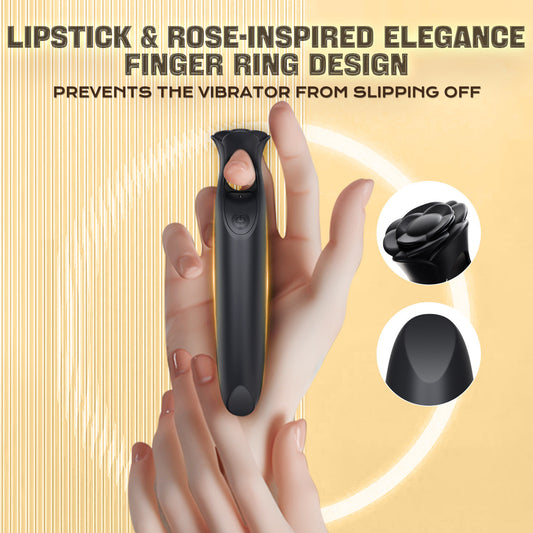
Rose Mini Finger Vibrator Ring Clit Stimulator
Regular price $31.99Regular price$37.00Sale price $31.99Sale -
Portable Women Vibrator With 10 Vibration Modes
Regular price $49.99Regular price$62.00Sale price $49.99Sale -
Six Finger Magic Set Vibrator Clitoris G-Spot Stimulator
Regular price $27.99Regular price$32.00Sale price $27.99Sale -
-
-
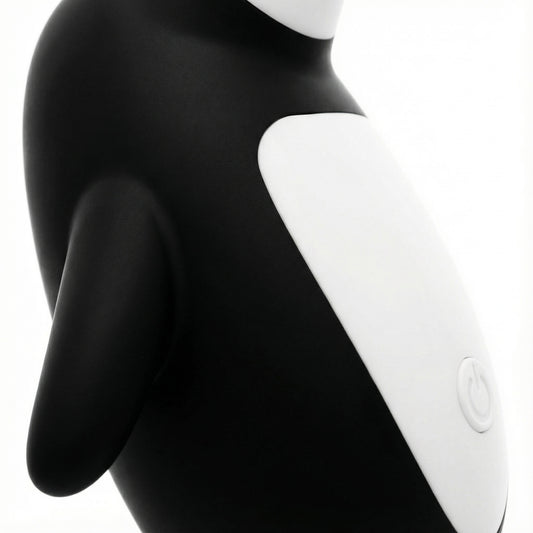
Penguin Clit Sucking Massager Women Vibrator
Regular price $27.99Regular price$35.00Sale price $27.99Sale -
-
-
-
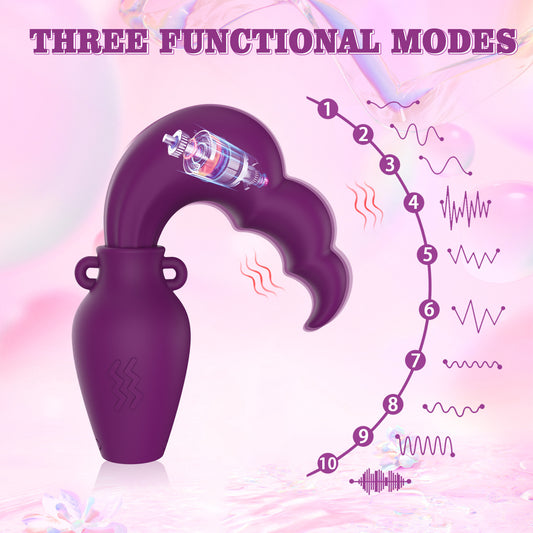
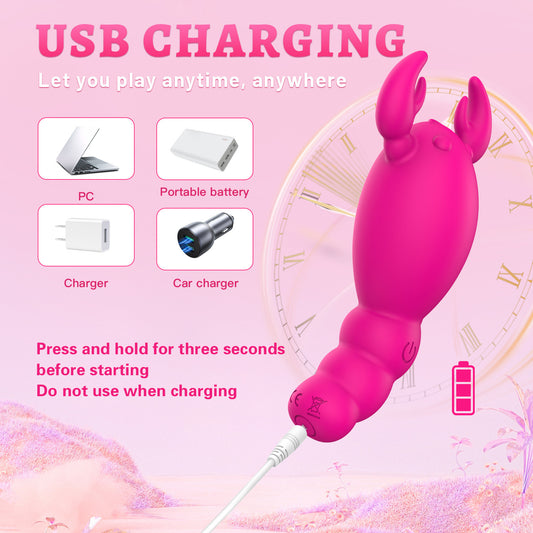
Scorpio Women Vibrator Intimate Massager
Regular price $37.99Regular price$41.00Sale price $37.99Sale -
Finger Vibrator Clitoral G-Spot Nipple Vibrators
Regular price $24.99Regular price$31.00Sale price $24.99Sale


















The right finger techniques begin with understanding your body, and you’re not alone in learning about this: one study found that 91% of women have fingered themselves. This fingering tutorial explains what “finger yourself” means and focuses on the clitoris, a sensitive organ with more than 8,000 nerve endings. If you’re curious about what happens when you finger yourself or want a step-by-step approach, this piece centers comfort and consent while emphasizing safety, so you can learn about self-pleasure with confidence and without judgment.
What does fingering yourself mean?
It helps to understand exactly what the term covers before you explore further. Fingering refers to sexual stimulation of the vulva, clitoris, or vagina with your fingers. The medical term for inserting fingers into the vagina is digital penetration. It can also involve touching the anus, and it counts as masturbation if you do it to yourself. In other words, there is no single "correct" way to finger yourself because personal preference matters.
External and internal touch: What the terms mean
External touch means stimulating areas you can see and reach without entering an opening, such as the clitoris, labia, and skin around the vaginal opening. Internal touch, by contrast, involves inserting one or more fingers through the vaginal opening and into the vagina. Neither option is more advanced than the other. You might rub the clitoral hood in circular or side-to-side motions during an entire session, or combine external and internal touch to add sensation. Start with what feels comfortable, then adjust as you learn what your body responds to.
Vulva, clitoris, and vagina: Knowing the difference
People often use these terms interchangeably, but they describe different things. The vulva is the external genital area as a whole, including the outer and inner labia. The clitoris sits at the top of the vulva and plays the biggest role in orgasm. Studies indicate that 70 to 80 percent of women need direct clitoral stimulation to reach orgasm, so it can be a useful place to begin self-exploration. You can massage the clitoral glans or shaft through the hood with up-and-down, side-to-side, or circular motions. You can also stroke or gently tug the labia minora to add sensation.
The vagina is the internal muscular canal. It is not uniformly sensitive, though its lower third, closest to the opening, contains many nerve endings that may feel pleasurable when stimulated. Roughly five centimeters inside the front wall, toward the navel, lies the G-spot. Its texture may feel slightly ridged or rougher than the smoother tissue around it. Some people find that stimulation in this area near the Skene's gland causes fluid release during arousal.
Vaginal opening, urethra, and anus: Different parts with different roles
If you have wondered which opening you are supposed to finger, here is the breakdown. The vaginal opening is where fingers enter during internal touch. The urethra, just above it, is used only to urinate and is not meant for penetration. The anus is a separate opening with its own dense network of nerve endings. Anal fingering can feel pleasurable because insertion stretches the sphincter muscles.
The urethra, vaginal opening, and anus sit close together, so wash your hands before touching them and between touching different areas. This matters especially if you move from the anus toward the vagina. Treat each opening as having a separate role instead of assuming that the same technique applies to each one.
How to prepare for safe self-touch
Your body and your space need preparation just as much as the finger techniques you use. A few minutes of setup before you begin can make first-time finger exploration more comfortable and reduce the risk of irritation or infection.
Wash your hands and smooth your nails
Clean hands reduce the spread of germs, so wash them with soap and water or use an alcohol-based hand sanitizer before you begin. Rub your hands together for 15 to 20 seconds. Cover your fingertips, thumbs, and the spaces between your fingers because people often miss those areas. Soap and water work better than sanitizer if your hands are visibly soiled.
Your nails need the same attention. Trim them straight across and keep natural nails even with your fingertip instead of letting them extend past it. Trim them after a shower, or soak them in lukewarm water for a few minutes first. Use a nail file to smooth rough edges and file in one direction. Leave your cuticles alone because cutting them increases the risk of infection.
Remove jewelry and cover cuts
Take off rings, watches, and bracelets before touching sensitive tissue, just as you would before surgical hand antisepsis. Skin under rings often carries more germs than bare fingers. Cover open cuts or hangnails with a bandage beforehand because broken skin gives bacteria an easier way in.
Choose a plain, fragrance-free lubricant
Lube reduces friction and can increase sensation, which often makes the experience more pleasurable. Choose a plain option without added fragrance, flavoring, or dye because these additives may irritate delicate tissue over time. Apply more whenever things feel dry instead of pushing through discomfort. Generous use helps keep touch comfortable, and using more has no downside.
Find privacy and support your body
Choose a space where no one will interrupt you. That might mean locking your bedroom door or setting aside quiet time alone. Use pillows under your hips, knees, or lower back. You can also move into a position that keeps your shoulder and wrist relaxed instead of straining to reach. A comfortable setup makes the touch itself more comfortable.
Give yourself permission to pause or stop
You control how, at the time, and whether you explore your body. That control includes the right to stop at any point for any reason. You do not need to continue if something stops feeling good just because you already started. An internal check-in can help. Ask yourself, "does this still feel good?" just as you would check in with a partner. Make that check-in part of your fingering tutorial rather than an afterthought.
Beginner self-exploration: Put comfort first
Once you understand the basics, explore at a pace that feels comfortable instead of aiming for a specific result. Early self-exploration tends to feel best if comfort guides what your hands do.
External touch and clitoral sensitivity
Begin with indirect touch instead of pressing directly on the glans. Light circular or up-and-down strokes over the clitoral hood with one or two fingertips often feel easier to manage than direct contact right away. Sensitivity can vary with arousal, your menstrual cycle, stress, or medication. SSRIs, in particular, can reduce genital sensitivity for some people. The clitoris does not produce its own lubrication, unlike the vagina. Applying lube directly to the area can reduce friction, whatever your arousal level. Touching over underwear or pants can provide a barrier if direct contact feels too intense. You can also use two fingers in a V-shape to gently move the hood over the area. Pressure preferences differ from person to person. Some people prefer featherlight contact, while others prefer firm, sustained pressure, and both are normal.
Internal touch is optional, not a next level
Internal touch is not a more advanced step. It offers a different sensation, and many people choose external touch only throughout a session. Clitoral stimulation alone does not guarantee orgasm, either. Orgasms can depend on physical touch as well as communication, emotional intimacy, body image, and self-esteem. If you want to try internal touch, sleep, diet, alcohol or other drug use, and stress can affect how your body responds that day. What felt good last week may feel different today.
Avoid force, friction, and pressure to perform
No formula guarantees a particular outcome. The goal is to build a caring, ongoing relationship with your body instead of pursuing the same result every time. Dry, repeated rubbing can irritate tissue, especially if the motion is fast, prolonged, or focused on one spot. It may cause soreness or a burning feeling. Dry, forceful friction on other parts of the body can also cause irritation, chafing, or temporarily reduced sensitivity. Gentle pressure and enough lubricant can help prevent friction burns. Pause if any area starts to sting instead of pushing through the discomfort.
Adjust your position if your hand or wrist hurts
Keep your wrist as straight and neutral as possible instead of holding it at an awkward angle. Strain can build up fast during longer sessions. A pillow under your forearm can reduce the work your fingers need to do. Changing between lying down and sitting can help as well. Stop right away if you notice numbness or tingling in your hand or wrist, since these sensations can mean you are putting pressure on a nerve. You can roll your palm over a small ball or gently press the base of your thumb afterward to ease built-up tension.
What happens when you finger yourself?
Your body follows a predictable pattern of physical changes after touch begins, even if you do not notice them all immediately. Understanding what happens beneath the surface can make self-exploration feel less uncertain and help you recognize your body's signals.
How arousal can change blood flow and sensitivity
Your nervous system responds to touch, thoughts, or other arousing stimuli by directing more blood to the pelvic area. This increased flow causes the vulva and vagina's tissues to swell through a process called vascular engorgement. Arousal relies on several systems working together: your brain processes desire and safety, the parasympathetic nervous system supports relaxation, and hormones such as estrogen help maintain blood flow and tissue elasticity. Physical signs may also include flushed skin, erect nipples, or stronger sounds and smells. None of these signs need to be present for arousal to be real.
Why natural wetness does not always match arousal
Extra blood flow creates pressure that moves a clear, slippery fluid through the vaginal walls. Most people recognize this arousal fluid as getting wet. Lubrication does not reliably show how turned on you are, though. Your own awareness of or ability to name your interest in sex offers the best indication.
This difference is called arousal non-concordance. You may feel desire without becoming wet, or notice wetness without feeling desire. Stress, dehydration, alcohol, certain medications, hormonal changes, and the time of month can reduce natural lubrication. On average, a vagina takes about three times longer to self-lubricate than a penis takes to become erect. People often rush through this stage and assume something is wrong when it is not.
Why orgasm may or may not happen
Orgasm can feel like pleasure or release and may involve involuntary muscle movement. Its length and intensity can differ from one session to the next. Between 10 and 15 percent of women have never had an orgasm, while up to half report dissatisfaction with how often they reach one. Missing orgasm during a session does not mean you did anything wrong.
Fatigue, stress, depression, medications such as SSRIs, and not yet knowing what stimulation works for you can delay or prevent climax. Pressure to orgasm is, ironically, one of the most common reasons it does not happen. Let curiosity guide your fingering tutorial instead of treating orgasm as the goal.
Aftercare and signs you need medical advice
What you do after self-touch matters as much as how you prepare. A few simple habits can protect your body and help you notice warning signs early.
Clean your hands and any items used
Wash your hands again with soap and water once you finish. Clean any toys or items that touched your body before you store them. This helps prevent bacteria from building up and transferring during your next session.
Wash the outside gently and avoid vaginal douching
Clean the vulva with warm water, or use a mild, unscented soap if you prefer. Avoid scrubbing or rinsing inside the vagina. Do not douche, since flushing water or solution inside can disrupt your natural pH balance and remove healthy bacteria that help prevent infections. Washing once a day during your shower is enough. More frequent cleaning can cause irritation rather than prevent it.
Prevent bacterial transfer between the anus and vagina
Wash anything that touches your anus, including your fingers, before it goes near your vagina. Bacteria can move from the anus to the vagina and cause an infection after self-touch. Keep a front-to-back order while cleaning up and when wiping after using the bathroom.
Stop and rest if tissue feels sore
Friction and pressure can cause some swelling because labia tissue fills with blood and fluid during arousal. Use an ice pack wrapped in a washcloth if soreness continues with irritation. Hold it against the area, not inside it, for 5 to 10 minutes to ease discomfort. Give your body time to rest before touching again.
Seek care for ongoing pain, bleeding, or urinary symptoms
Contact a doctor if pain lasts more than a day or two. Seek care if you notice bleeding, unusual discharge, or burning when you urinate. These symptoms can point to a UTI, bacterial vaginosis, or another infection that needs treatment rather than time alone.
Use what you learn to explain your boundaries
Everything you find about what feels good, uncomfortable, or painful can help you explain your boundaries to a partner. Self-exploration can support clearer communication about what you want and what you do not want.
Conclusion
Finger techniques work best when curiosity, rather than performance, guides the experience. Understanding the difference between the vulva, clitoris, and vagina, along with proper hygiene and lubrication, helps make self-exploration safer and more enjoyable without doubt. Arousal and wetness do not always align with orgasm, and that is normal rather than a sign that something is wrong.
Your comfort matters more than any specific outcome. Pause if anything feels off, and seek medical advice if you experience pain or bleeding, or notice unusual symptoms afterward. Whether you prefer external touch or choose to explore internally, this piece offers the knowledge to approach your body with patience and confidence.