
-
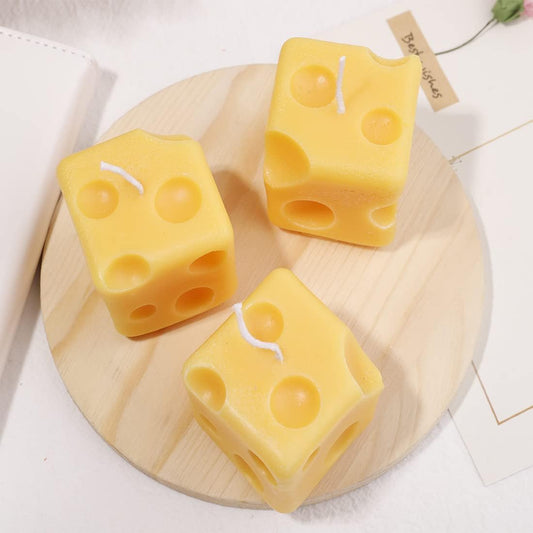
Cheese Shaped Aroma Soy Wax Scented Candle
Regular price $14.99Regular price$19.00Sale price $14.99Sale -
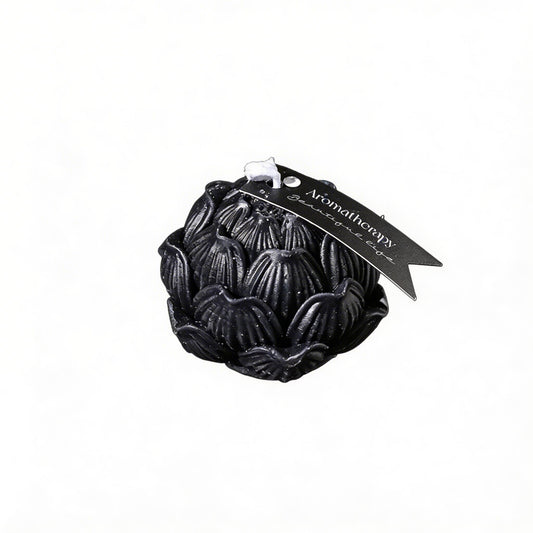
Lotus Sensual Candle – Low-Temperature
Regular price $16.99Regular price$21.00Sale price $16.99Sale -
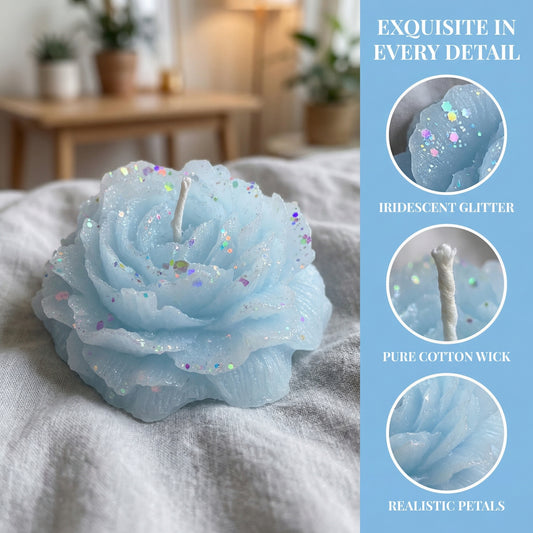
Sensual Floral Wax Candle – Low-temperature And Skin-friendly
Regular price $17.99Regular price$22.00Sale price $17.99Sale -
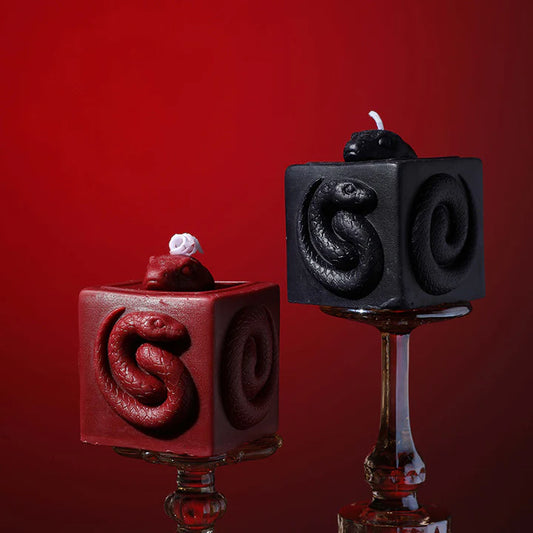
Square Snake Sensual Candle – Geometric Low-temperature
Regular price $16.99Regular price$21.00Sale price $16.99Sale -
-
Hand Flower Low Temperature Scented Candle
Regular price $16.99Regular price$21.00Sale price $16.99Sale -
Holding a Skull Sensual Candle – Gothic Low-Temperature
Regular price $16.99Regular price$21.00Sale price $16.99Sale -
Garden Fragrance Three-eyed Cat Candle
Regular price $16.99Regular price$21.00Sale price $16.99Sale -
Ornamental Beauty Sensual Candle – Low-Temperature
Regular price $16.99Regular price$21.00Sale price $16.99Sale -
Love You Heart Sensual Candle – Low-temperature
Regular price $16.99Regular price$21.00Sale price $16.99Sale -
-
Low Temperature Candles Wine Cup Shaped In The Dark Scented
Regular price $18.99Regular price$24.00Sale price $18.99Sale -
-
Serpent Rose Low-Temperature Candle
Regular price $11.99Regular price$15.00Sale price $11.99Sale -
Night Flame Low-Temperature Massage Candle
Regular price $14.99Regular price$17.00Sale price $14.99Sale -
Gilded Escape Low-Temperature Aromatic Wax Candle
Regular price $21.99Regular price$25.00Sale price $21.99Sale -
Gilded Dream Low-Temperature Sensual Candle
Regular price $21.99Regular price$21.99Sale price $21.99 -
Glow in the Dark Silhouette Low-Temperature Candle
Regular price $21.99Regular price$25.00Sale price $21.99Sale -
Low-temperature Natural Soy Wax Candles
Regular price $19.99Regular price$22.00Sale price $19.99Sale -
Pawfect Love Aromatic Candle
Regular price $14.99Regular price$14.99Sale price $14.99





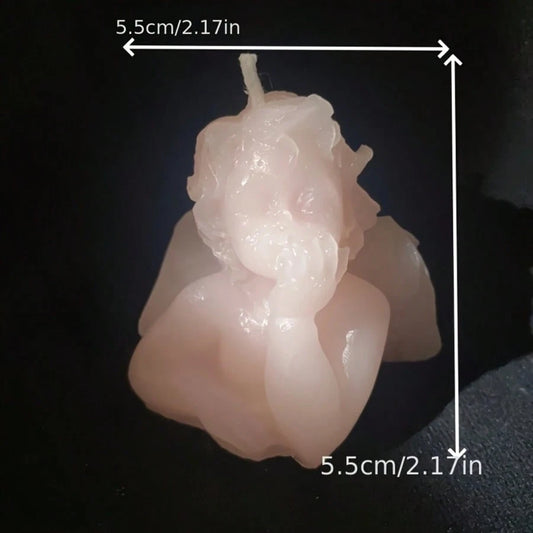

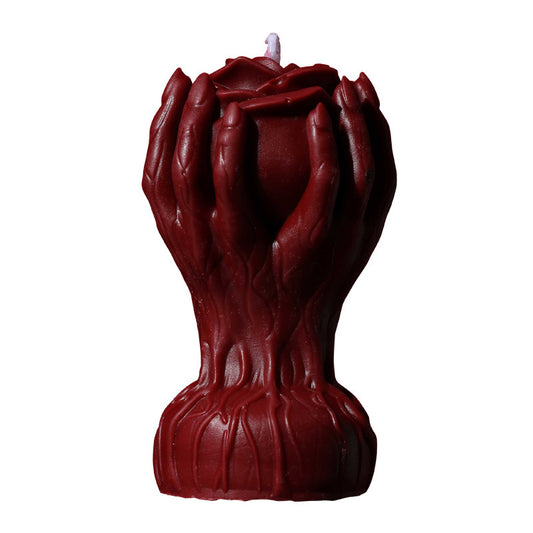



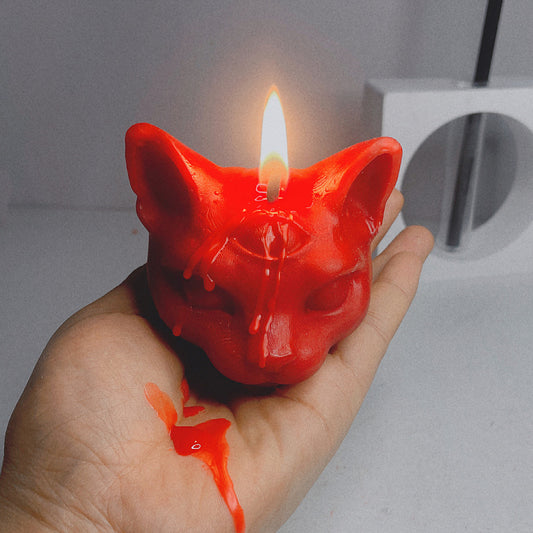

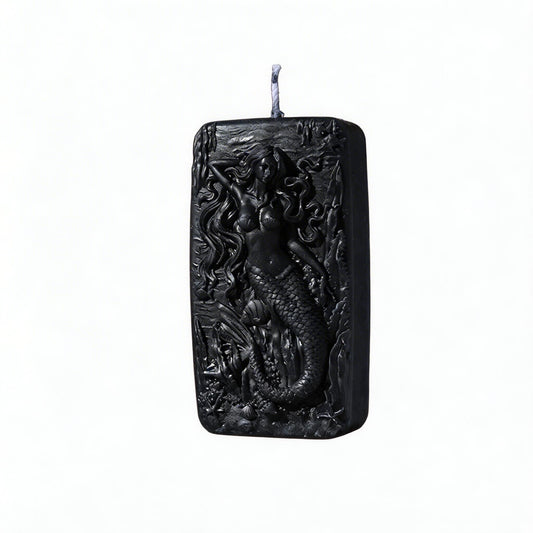

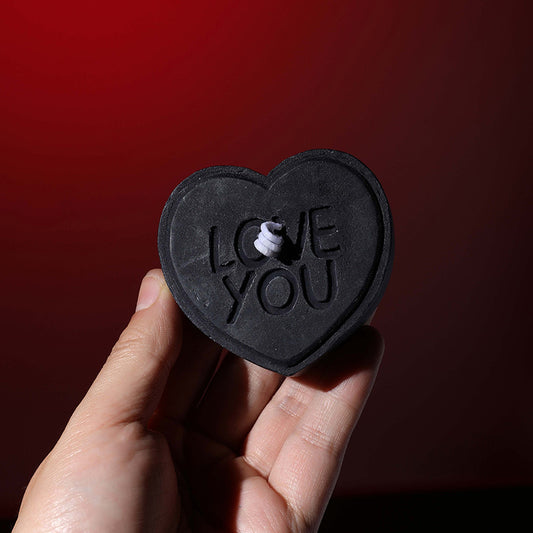

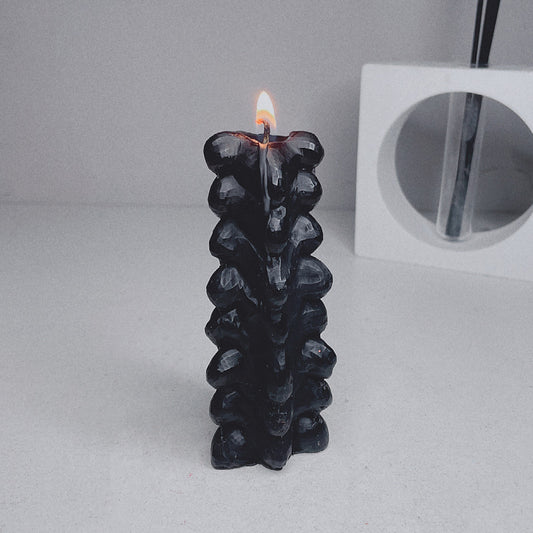



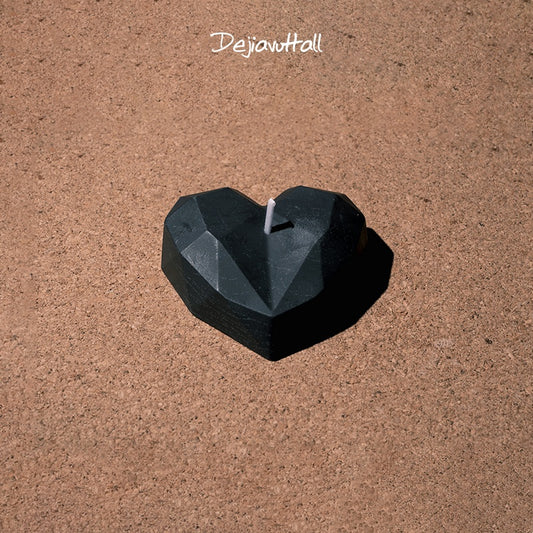

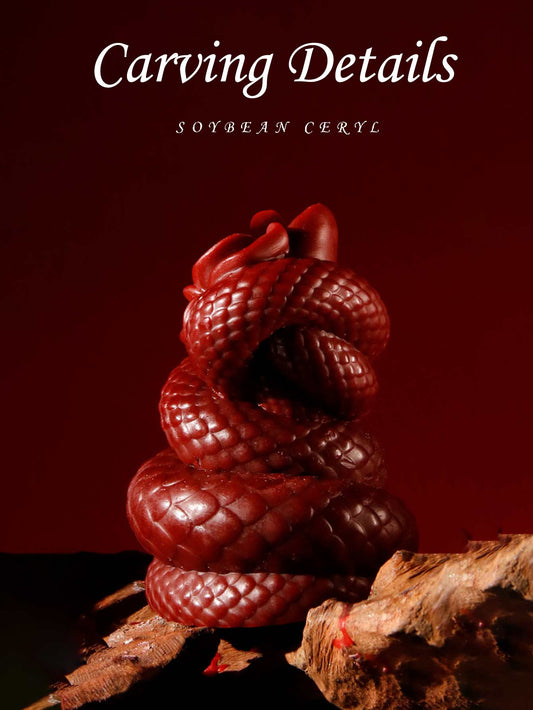


Low melting point wax can turn an ordinary candle into warm massage oil within minutes after the flame goes out. A wax is generally called low-melting-point when it melts below roughly 50°C or 122°F. Coconut wax and coconut-soy blends have a creamy texture and lower melting points, which makes them suitable for soft, easy-to-pour candles. A low-temperature massage candle, however, needs more than scented candle wax with a softer texture. Its formula typically has waxes combined with vegetable oils and butters. This piece helps you choose low melting point paraffin wax, low melting temperature wax, or microcrystalline wax and create a safe, skin-ready formula.
What Is Low Melting Point Wax?
Not every wax labeled "low melting point" melts at the same temperature, and that difference matters once you begin blending waxes for use on skin. This category covers a broad range of materials, and each has its own melting range and reason for softening early.
Typical melting ranges and why blends vary
Paraffin wax alone ranges from roughly 115°F to 154°F (46-68°C). Suppliers divide it into three grades: low-melting paraffin at 115-129°F (46-54°C), medium at 129-140°F (54-60°C), and high at 140-154°F (60-68°C). Pure soy wax sits slightly lower, melting between 120°F and 140°F (49-60°C). That makes it a common base in container candles that must hold their shape without a mold. Coconut wax melts at an even lower 124-127°F (51-53°C) and is valued for its smooth texture and fragrance retention. By contrast, microcrystalline wax melts at 145-195°F (63-91°C), well above the low-melt range. Makers usually add it in small amounts rather than use it as a base. Blends differ because of chain length distribution, added ingredients, refining purity, crystal formation, and storage before use.
Why wax melts at a low temperature
Wax chemistry accounts for this range. Heavier molecules require more heat to separate, while tighter crystal structures resist melting until temperatures rise. Double bonds in soy wax's fatty acid chains lower its melting point. A single cis-9 double bond can reduce the melting temperature from 61°C to 27°C or 37°C, depending on its position in the molecule. Hydrogenation has the opposite effect. Partially hydrogenated soft soy waxes begin melting around 20°C and peak near 39°C, while fully hydrogenated hard soy waxes peak between 52.8°C and 63°C. Coconut oil lowers a soy blend's melting point further. Excess fragrance oils or dyes can also soften a formula below its intended specification.
Melting point vs. melt pool temperature
Melting point indicates the temperature at which wax becomes liquid. Melt pool temperature describes what happens afterward as the candle burns. A properly wicked soy candle should expand its melt pool by about one inch per hour, while paraffin blends usually reach the container's edge after a couple of four-hour burns. A full melt pool should be between a quarter and a half inch deep to release fragrance fully. Heating and pouring fall between these markers because most waxes become fully liquid at around 180°F, even though melting begins at a lower temperature.
Which Waxes Suit Massage Candles?
Wax selection for skin contact involves more than choosing the lowest number on a specification sheet. Each wax category has its own texture and blending requirements, along with trade-offs.
Soy and coconut wax blends
Coconut-soy blends are common in this category because they adhere well to glass and create a creamy finish. Golden Brands 454, to cite an instance, melts at 114°F (45.6°C) and pours at 170°F. Other suppliers offer comparable blends with melting points of 110-120°F and recommend a 10% fragrance oil load to achieve the best throw. Massage candle formulas designed for skin use often melt at even lower temperatures, between 102-110°F (39-43°C), and soy or coconut wax accounts for 40-50% of the total blend. Soy Wax CS-50 has an especially low melting point and creamy texture, although it does not work well in unsupported shapes.
Low melting point paraffin wax: check the grade and intended use
Low-melt paraffin grades typically fall between 50-55°C (115-129°F). They create a softer, more translucent candle with stronger fragrance release, but they can deform more easily in warm conditions or with heavy fragrance loads. Suppliers recommend this grade for glass jar candles, massage candles, and aromatherapy products with controlled burn times.
Microcrystalline wax: how the grade affects a blend
Microcrystalline wax rarely acts as the base for massage formulas because its melt range is 145-195°F, depending on the grade. Blend ratios matter. Soft, flexible blends use 20-30% microcrystalline wax with 70-80% paraffin, while medium-hardness blends contain 35-50% microcrystalline wax. Grade selection changes hardness and flexibility, while improving crack resistance rather than reducing the overall melt point.
Why the lowest melting point wax is not always the best choice
Softer wax is not always better. Some coconut-soy blends become too soft between batches. They melt faster and develop deeper melt pools than intended. Very low-melting soy wax also lacks the structural strength needed for unsupported formats, so formulators combine it with firmer components to keep the candle functional.
How to Make a Massage Candle Formula Work
The right ratios turn a simple wax pour into a formula you can rub into sore muscles.
Balance wax with oils and butters for texture and glide
Cocoa butter melts near 93°F, shea butter melts near 89°F, and mango butter melts around 95°F/35°C. Each one softens the wax base. Jojoba oil thins the mixture into a workable massage oil instead of a stiff paste. A simple starting ratio uses 2 ounces of wax with 1 ounce each of butter and carrier oil. Some commercial formulas use 60% soy wax, 24% coconut oil, and 14% shea butter to create a smoother glide. Beeswax burns hotter than soy, so use it with a lower-melting wax when you include it.
Choose fragrance approved for the intended skin use
Essential oils are the safer scent option because few candle fragrances are suitable for direct skin contact. Check each essential oil against a dilution-rate chart before you add it. Confirm the IFRA Category 5A limit when you use fragrance oils for leave-on skin products. Add scent after the wax cools to 125°F or below. Soy handles oils added between 120-140°F, while coconut wax works best closer to 130°F.
Match the wick to the formula and vessel
A wick that is too small for the container will not burn evenly across the surface. Soy-wax-dipped cotton wicks work well in jar-based formulas, and a wick holder keeps the wick centered as the candle sets. Use skin-safe adhesive to secure the tab because the finished oil will touch skin directly.
Control pouring and cooling to reduce cracks and wet spots
Warm the jars with a heat gun before pouring to reduce shrinkage. Pour at around 99°F, or between 70-73°C for soy-coconut-shea blends. Cure time varies by wax. Soy needs 3-4 days and may need up to 14 days for full scent development. Coconut wax sets within 48 hours, while beeswax can cure in as little as two days.
Test burn performance, skin suitability, and heat stability
Burn the candle for 15-20 minutes until the melt pool covers the surface, then extinguish it. Patch test the inside of the elbow first because massage candles count as cosmetic products that must meet testing requirements. Use finished candles within 3-6 months.
How to Use and Store Massage Candles Safely
Safe use begins with reading the label before lighting the wick, as burning standards vary by product.
Use candles made and labeled for skin contact only
Massage candles melt into a warm, silky oil developed for direct skin contact, unlike standard decorative candles. Choose products with skin-friendly organic ingredients that are labeled specifically for massage use.
Extinguish the flame and check the oil's temperature before use
Light the candle and allow it to burn for 10-15 minutes until it forms a pool of warm oil. Extinguish the flame, test the oil's temperature on your wrist, and then pour it onto healthy, unbroken skin for the massage. A candle snuffer extinguishes the flame without splattering wax or creating smoke, unlike blowing it out.
Follow patch-test guidance and avoid irritated skin
Apply a small amount of oil to the inside of your elbow before broader use, as allergic contact dermatitis may take several days to appear. Clinical patch testing rates reactions from one plus sign for a mild response to three pluses for a strong response. Do not pour oil onto rashes, eczema, or broken skin.
Store away from heat and check for leaks or changes
Store candles in a cool, dark place away from direct sunlight to prevent discoloration and softening. Keep candles upright and covered to keep out dust and preserve their scent. Check for sweating, which occurs when oils rise to the surface, along with warped labels caused by softened adhesive or a softened wick before each use.
Conclusion
Low-melting-point wax delivers results only when chemistry, ratios, and safety testing work together. The right blend requires balanced oils and butters, plus a patch test before use. These steps separate a skin-safe product from a kitchen experiment gone wrong. The softest wax is not always the best choice. Follow these guidelines, and your massage candles will glide smoothly, carry their scent, and perform as intended.