Why Every Woman Deserves a Vibrator (Yes, Even You)
Share
My friend Sarah bought her first vibrator at 34. Married, two kids, a decade of what she called "fine" sex. Six months later she told me, half laughing, half annoyed: "I spent fifteen years thinking my body was broken. Turns out it just needed different instructions."
She's not an outlier. She's the norm.
Somewhere along the way, vibrators got filed under "naughty gift for bachelorette parties" or "consolation prize for single women." Both framings are wrong, and both keep women from something that's genuinely good for their bodies. So let's talk about why a vibrator isn't an indulgence. It's closer to a toothbrush than a treat.
The Orgasm Gap Is Real, and It's Not Your Fault
Researchers have a polite term for a rude reality: the orgasm gap. In a large study published in the Archives of Sexual Behavior, roughly 95% of heterosexual men said they usually or always orgasm during sex. For heterosexual women, that number dropped to around 65%. Lesbian women, notably, reported far higher rates than straight women — which tells you the problem isn't female anatomy. It's what's happening (or not happening) in bed.
Here's the anatomical footnote that should have been headline news decades ago: most women don't reliably orgasm from penetration alone. Survey data from Indiana University puts that number under 20%. The clitoris — with its thousands of nerve endings, most of them nowhere near the vaginal canal — needs direct, consistent stimulation. Hands get tired. Angles get awkward. A vibrator doesn't get tired, and it doesn't need to be told twice.
A vibrator isn't cheating. It's using the right tool for a job that human anatomy makes genuinely difficult otherwise.
Orgasms Are Health Care, Not Just Fun
Strip away the giggles and look at what an orgasm actually does to a woman's body:
Better sleep. Orgasm triggers a release of oxytocin and prolactin while cortisol drops. That cocktail is basically nature's melatonin. Plenty of women use a vibrator the way other people use a sleep podcast — ten minutes before bed, out like a light.
Pain relief. Orgasm raises pain thresholds. For women dealing with menstrual cramps, tension headaches, or general muscle tightness, that's not folklore — it's measurable physiology.
Stress regulation. Regular sexual release is linked to lower baseline stress and better mood. If you'd take a yoga class for the same effect, why would this count for less?
Pelvic floor exercise. The rhythmic contractions of orgasm work the pelvic floor muscles — the same ones Kegels target. Stronger pelvic floors mean better bladder control and, in a pleasant feedback loop, stronger orgasms.
Vibrators Teach You Your Own Body
This is the part nobody puts on the packaging.
Many women reach their thirties or forties without a clear map of what actually works for them — not because they're prudish, but because nobody handed them the manual. Sex ed covered fallopian tubes and fear. Pleasure never made the syllabus.
A vibrator is a private, zero-pressure laboratory. No partner to perform for. No clock running. You learn what pressure, rhythm, and placement your body responds to — and that knowledge doesn't stay in the drawer. Women who understand their own responses communicate better with partners, and couples who use toys together consistently report higher sexual satisfaction, not lower. The vibrator isn't competition. It's a translator.
Menopause, Medication, and the Seasons Nobody Warns You About
A woman's sexual response isn't static. Pregnancy, postpartum recovery, antidepressants, perimenopause, menopause — each one can turn the volume down on arousal and sensation.
During and after menopause, declining estrogen reduces blood flow to genital tissue. The old advice of "use it or lose it" is blunt but medically sound: regular arousal and orgasm maintain circulation, tissue elasticity, and natural lubrication. Pelvic health physiotherapists and gynecologists now recommend vibrators to patients as a matter of routine — for menopausal changes, for postpartum reconnection, for arousal difficulties caused by SSRIs.
When your doctor might prescribe it, "need" stops being an exaggeration.
The Stigma Math Doesn't Add Up
Consider what we treat as normal: skincare routines with eleven steps, massage guns for sore quads, meditation apps, weighted blankets. All tools for feeling better in your own body. All discussed openly at brunch.
Then there's the one tool addressing a need that's biological, universal, and free of side effects — and it lives in a drawer under the socks, wrapped in vague shame.
An estimated half or more of American women have used a vibrator, according to Indiana University's research — and users reported better sexual function across desire, arousal, and lubrication, not worse. The dependency myth doesn't survive contact with the data either: sensitivity isn't "worn out" by vibration, and any temporary adaptation resets within days. You will not break yourself. Promise.
Choosing Your First One (Without the Overwhelm)
If you're starting from zero, ignore 90% of the wall of options:
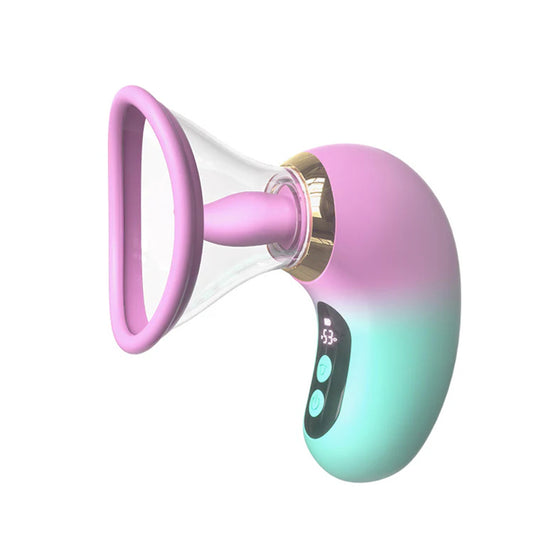
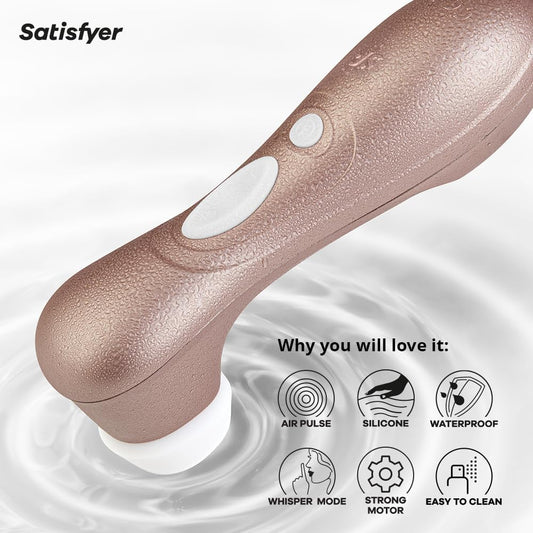
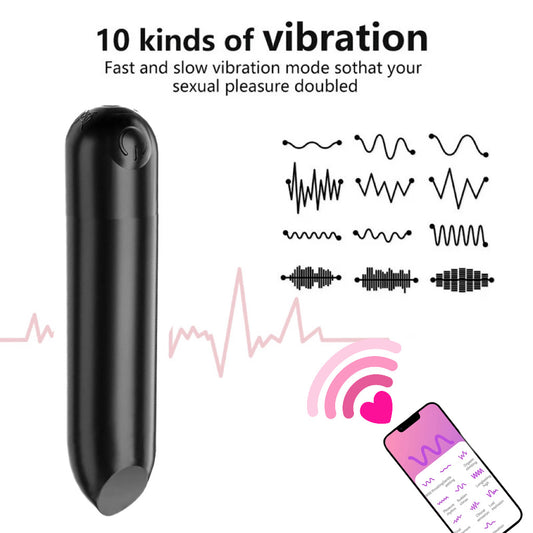
- Start external. A small clitoral vibrator or an air-pulse toy covers what most bodies actually respond to. Internal can come later, or never.
- Body-safe materials only. Medical-grade silicone, ABS plastic, glass, or stainless steel. If the listing doesn't name the material, walk away.
- Buy from a real brand. Reputable sexual wellness companies publish materials, offer warranties, and don't smell like a chemical plant out of the box.
- Quiet matters more than power. For most beginners, a whisper-quiet toy with adjustable low settings beats an industrial-strength one you're afraid to turn on.
The Bottom Line
Women don't need vibrators because something is missing or broken. They need them the way anyone needs a tool that makes an important part of life easier, healthier, and more reliable. Better sleep, less stress, a stronger pelvic floor, an easier menopause, a clearer understanding of your own body, and — let's not bury it — significantly more orgasms.
Sarah keeps hers in the nightstand now, not under the socks. "Fifteen years," she still says, shaking her head. Don't wait fifteen years.
FAQ
Do vibrators desensitize you over time? No. Some women notice temporary adaptation after heavy use, but sensitivity returns within days. There's no evidence of permanent desensitization.
Can I use a vibrator if I'm in a relationship? Absolutely — and research suggests couples who incorporate toys report higher satisfaction. A vibrator adds to partnered sex; it doesn't replace it.
Are vibrators safe during pregnancy? For most healthy pregnancies, yes, but check with your OB-GYN if you have complications or a high-risk pregnancy.
What's the best vibrator for beginners? A small, quiet external clitoral vibrator made of medical-grade silicone with multiple intensity settings. Simple beats feature-packed for a first purchase.