
-
Lollipop Vibrator Mini Bullet Vibrator
Normaler Preis $44.99Normaler Preis -
Rose Tongue Clit Licking Dual Vibrator Dildo
Normaler Preis $53.99Normaler Preis -
Flapping Clit Vibrator - Kissing Mouth & Vibration
Normaler Preis $53.99Normaler Preis -
Clitoral G Spot Vibrator 2 in 1 Dildo Vibrator 10 Vibration Modes
Normaler Preis $41.99Normaler Preis -
Satisfyer Pro 2 Vibrator Clitoris Suction & Clitoral Stimulator
Normaler Preis $25.99Normaler Preis -
Mini Halo Vibrator Wand Massager Clitoris Stimulation
Normaler Preis $22.99Normaler Preis -
Dual Vibrator Powerful Magic Wand Clitoris Vagina Massager Anal Plug
Normaler Preis $37.99Normaler Preis -
10 Modes G Spot Clit Vibrator Egg
Normaler Preis $19.99Normaler Preis -
Finger Sleeve Vibrator Clit Stimulate
Normaler Preis $17.99Normaler Preis -
Clitoral Sucking & Slapping Vibrator – Rose Toy for Intense Pleasure
Normaler Preis $29.99Normaler Preis -
App Control Butterfly Clitoral Vibrator Mini Vibrator
Normaler Preis $27.99Normaler Preis -
Finger Vibrator Clitoral G-Spot Nipple Vibrators
Normaler Preis $24.99Normaler Preis -
Flapping G spot Vibrator - Clit Tapping & Vibrations
Normaler Preis $39.99Normaler Preis -
Rose Toy Finger Wearable Vibrator for Women patting Egg Clitoris Stimulator
Normaler Preis $26.99Normaler Preis -
Thrusting Rotating Rabbit Vibrator Dildo G Spot Clit Massager
Normaler Preis $43.99Normaler Preis -
Dolphin Vibrator G-spot, Clitoris, And Labia Sucker
Normaler Preis $32.99Normaler Preis -
Duo 2 Clitoral Sucking Vibrator Clit G-spot Vibrating Toy
Normaler Preis $38.99Normaler Preis -
Bullet Vibrator Nipple Clitorals Stimulator 10 Vibration Modes
Normaler Preis $26.99Normaler Preis -
Cute Cat Paw 7 Flapping Clitoral G Spot Vibrator
Normaler Preis $49.99Normaler Preis -
Premium 3D Spiral Oscillation Clitoral & G-Spot Vibrator for Women and Couples
Normaler Preis $39.99Normaler Preis














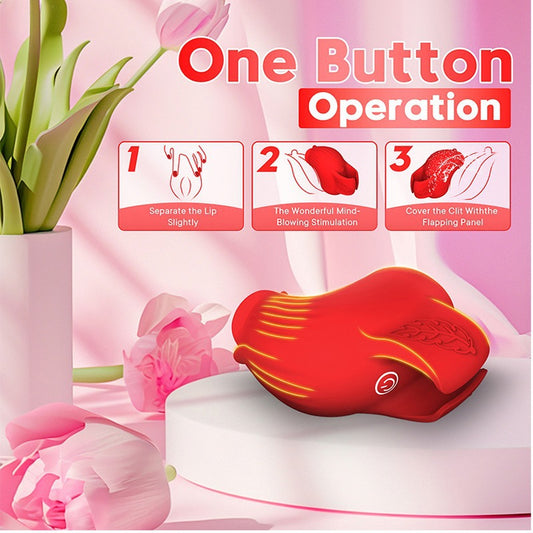

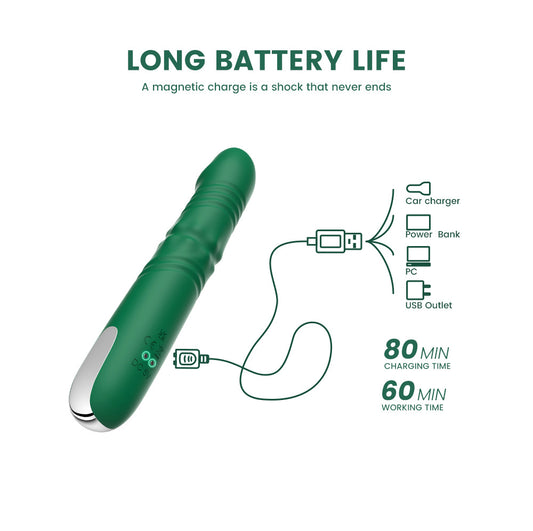

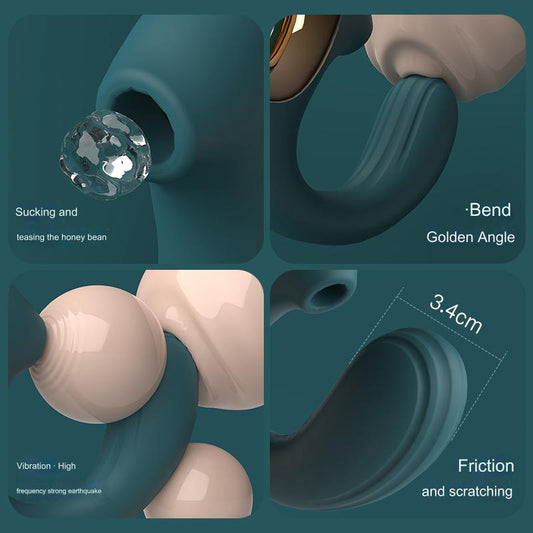

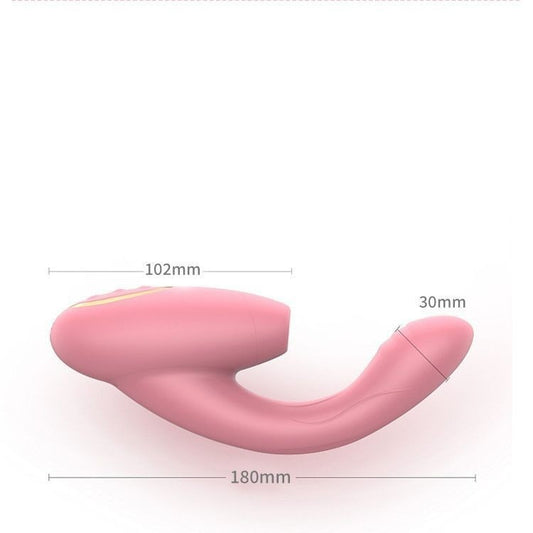

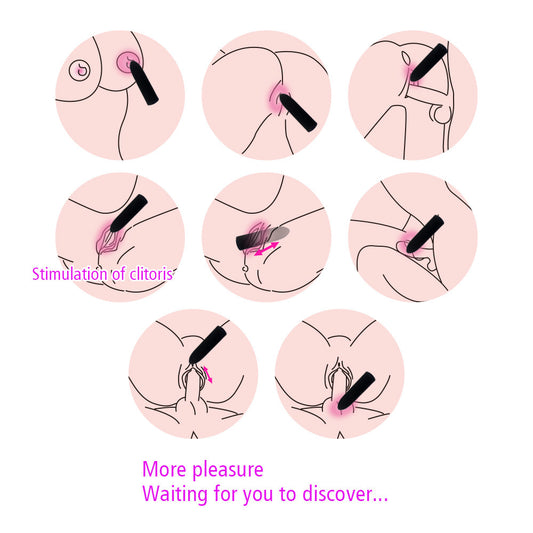

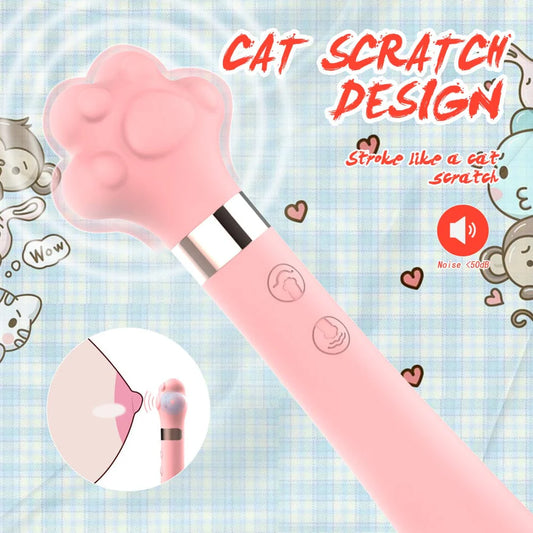

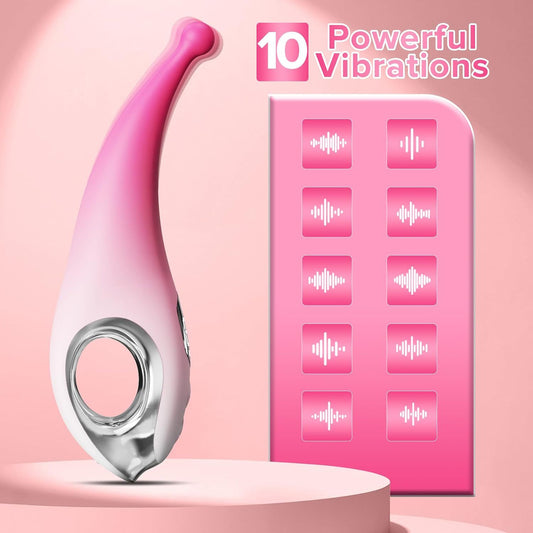
Your clit toys might promise intense pleasure, but the clitoris contains 15,000 nerve endings, twice as many as the penis. Most people don't know how to use them correctly. Choosing between a clitoral massager and a clit vibe requires understanding proper clit stimulation techniques, and the industry rarely shares significant information about this.
Problems like overstimulation, desensitization, and unsafe materials can turn clitoral therapy into a problem rather than a solution. This piece reveals what you need to know about toy types, intensity levels, material safety, and maintaining sensitivity for better, safer pleasure.
The Clitoris Is Bigger Than You Think
What Most People See vs. What's Actually There
The visible bump at the top of your vulva represents just a fraction of your clitoris. That pea-sized glans you can see measures only about 6.4mm long and 5.14mm wide on average. Your entire clitoris extends 3.5 to 4.25 inches long and roughly 2.5 inches wide. Four-fifths of this organ sits beneath the surface.
Your clitoris resembles an upside-down wishbone or heart shape inside your body. The glans connects to the clitoral body, which then branches into two legs called crura. These crura extend alongside your vaginal canal and attach to your pelvic bone through ligaments. Two vestibular bulbs sit between the crura and your vaginal walls, one on each side. This V-shaped internal network wraps around your urethra and vagina. The result is a much larger pleasure zone than most clit toys account for.
The internal portions consist of erectile tissue like what you'd find in a penis. The crura and vestibular bulbs fill with blood and can double in size when aroused. This swelling creates pressure against your vaginal wall and triggers additional lubrication. Heightened sensitivity spreads throughout your entire genital region. Your glans also doubles in diameter during arousal, though it often becomes less visible as the swelling of your clitoral hood covers it for protection.
How This Changes Everything About Clit Stimulation
Understanding this internal structure explains why a clitoral massager focused solely on the external glans might miss major pleasure potential. The internal clitoris responds to different types of pressure and stimulation than the visible portion. A clit vibe that applies vibration only to the glans stimulates a small percentage of the total organ.
Pressure on surrounding areas can activate those internal structures. The internal clitoris explains why some people experience vaginal orgasms during penetration. The crura surround your vaginal canal, and penetration can stimulate these internal portions. Research suggests that what's often called the G-spot might be stimulation of the internal clitoris through the vaginal wall.
The vestibular bulbs positioned near your vaginal opening also play a role. These erectile tissues swell during arousal and contribute to that sensation of fullness you feel throughout your genitals, not just at the glans. Increased sensitivity follows. A clit toy designed without thinking over this anatomy might provide surface-level sensation while ignoring deeper pleasure pathways.
Why Size Matters for Pleasure
Clitoral size and positioning affect orgasmic potential. Women with anorgasmia tend to have a smaller clitoral glans and greater distance between the clitoris and vaginal opening compared to women with normal orgasmic function. The total volume of the clitoris and bulbs associates with sexual function scores in some populations.
This anatomical reality means clitoral therapy through toys needs to think over both size and location. Your unique anatomy determines which type of stimulation works best. A clit stimulation approach that works for someone with a larger, more exposed glans might feel different for someone whose clitoral hood provides more coverage.
The concentration of approximately 10,000 nerve endings in the glans combined with the extensive internal structure creates multiple stimulation possibilities. Direct glans contact through a clit vibe represents just one option. Indirect stimulation of the internal portions through pressure, suction that pulls blood into the erectile tissues, or vibration that travels deeper into the structure can all activate pleasure pathways. Your body's specific anatomy dictates which approach delivers the most satisfying results.
Not All Clit Toys Work the Same Way
Vibration vs. Suction: The Real Difference
Traditional vibrators contain a motor that spins an off-center weight. This unbalanced weight creates fast oscillations that transfer through the toy's surface to your skin. Press a clit vibe against your body and you're receiving direct mechanical contact. The motor shakes hundreds or thousands of times per minute and stimulates nerve endings through continuous buzzing.
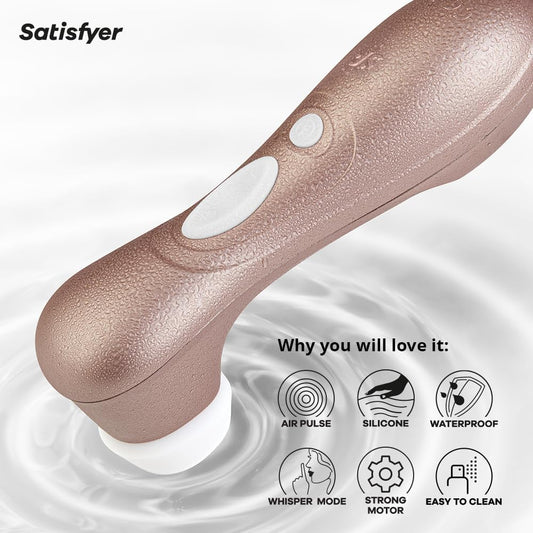
Suction toys operate through a different mechanism. Despite the name, these devices don't suck. A motor or moving membrane changes air pressure inside a small chamber placed around your clitoris at a fast rate. The toy alternates between drawing air away and releasing it. This creates rhythmic pressure pulses without a vibrating surface rubbing against your skin.
The sensory difference stems from contact type. Vibrators deliver steady, direct friction. Suction toys create indirect stimulation through pressure waves. Users describe vibration as buzzing or humming. Air pulse feels like tapping, fluttering, or pulsing. Some compare the suction sensation to oral sex because of the rhythmic pulling action.
Air Pulse Technology Explained
Air pulse technology creates a sealed chamber around your clitoris and uses fast air pressure changes to stimulate nerve endings without direct contact. A silicone nozzle forms a gentle seal against your vulva and creates an enclosed space. Inside that chamber, a precision mechanism generates fast pressure waves by pushing and pulling air.
Each cycle creates a brief vacuum followed by release. This produces a push-pull pattern. These pressure waves stimulate nerve endings across a wider area than direct vibration. The sensation feels lighter yet more focused, rhythmic instead of buzzy. The toy surrounds your clitoris rather than pressing onto it. Many people find the sensation more gradual and buildable.
Nozzle design affects intensity. Larger nozzle openings diffuse stimulation over a broader surface area and create less concentrated sensation. Smaller tips pinpoint the air pulses to a tighter zone and increase intensity on a smaller area. Material matters as well. Soft silicone nozzles feel cushiony and gentle. Rigid ABS plastic provides firmer, more intense contact.
Why Your Body Might Prefer One Over Another
Your sensitivity level determines which technology suits you. Air pulse toys offer focused clitoral stimulation without the surface-level buzzing if you find strong vibration overwhelming. The indirect contact means less friction against nerve endings. Vibrators work across larger body areas and tolerate more movement if you need broader stimulation or prefer versatile positioning.
Speed to orgasm differs between technologies. Suction toys can lead to quick, powerful orgasms within minutes for many users. The targeted air pressure creates faster build-up. But that intensity concentrates in one spot. Vibrators provide more diffuse sensation that spreads across surrounding tissue.
Your anatomy plays a role. Clitoral hood coverage, glans size, and tissue sensitivity all affect how each technology feels. Some bodies respond better to rhythmic pulsing, others to continuous vibration. Neither option is superior. The choice depends on your specific nerve distribution, arousal patterns, and comfort with focused versus broad stimulation.
The Overstimulation Problem Nobody Mentions
When More Power Isn't Better
High-intensity settings can backfire. Your clitoris contains more than 8,000 nerve endings, making it responsive but just as easy to overwhelm. Overstimulation happens once the clitoris receives more stimulation than it can process comfortably. Sensations move from pleasurable to uncomfortable, numb, or even painful.
Strong vibrations overwhelm nerve pathways fast. Bullet vibrators on high settings, pressing vibrating clit toys too firmly, or using intense patterns without a warm-up can trigger this response. The problem gets worse once you assume more power equals better orgasms. Aggressive clitoral stimulation can lead to bruising and cuts in reality. Swelling develops in the affected area. Cuts create entry points for bacteria and fungus, which may cause severe infections.
Signs You're Using Too Much Intensity
Overstimulation feels different from pleasure. Certain sensations signal you've crossed the line: sharp or burning sensitivity, sudden numbness, a buzzing or swollen sensation, and a need to pull away from the clitoral massager right away. Your nerves are overloaded once stimulation goes from pleasurable to uncomfortable.
Physical symptoms extend beyond sensation. Too much rubbing clogs pores in the genital region and creates dryness and inflammation. You might experience burning while urinating because bacteria spread from the clitoral area to the nearby urinary opening. Some people develop dyspareunia, a condition where genital pain occurs before, during, and after intercourse. The nerve endings in your clit area can become irritated from repeated intense stimulation and may affect your libido over time.
How to Find Your Sweet Spot
Start with low settings rather than jumping to maximum power. Soft and slow beats strong and fast. Begin with gentler clit vibe options, broader contact areas, and light strokes. Let intensity rise from there. Barriers help for especially sensitive users. Keep your underwear on while using a vibrator to prevent direct genital contact.
Taking breaks during sessions prevents nerve fatigue. Try patterns like 20-30 seconds on, 10 seconds off. Switch stimulation to your thighs or nipples during pauses. Stop whenever sensitivity spikes. That's communication, not rejection, once your body signals "enough".
Recovery Time Between Sessions
Temporary numbness resolves on its own. Most discomfort clears within minutes to a few hours. Sometimes recovery takes 24-48 hours. Numbness lasts longer in rare cases. Your body heals from temporary nerve fatigue or irritation.
Wait 15 to 20 minutes before returning to genital stimulation once you notice overstimulation. Focus on different body parts to get blood circulating to other erogenous zones. Spreading arousal energy across your body helps. You can try clitoral therapy again only if you're still in the mood.
Your Clit Vibe Might Be Making You Numb
The Desensitization Effect Explained
Fears about vibrators damaging your clitoris lack scientific backing. Your clitoris houses over 10,000 nerve fibers, the highest concentration in the human body, designed for pleasure. These nerve endings prove resilient.
What you experience isn't permanent damage but temporary adaptation. About 16.5% of women report temporary numbness after vibrator use, though it's mild and resolves quickly. Research confirms that vibrators don't cause permanent nerve damage or long-term sensitivity loss. Numbness, pain, or irritation rarely lasts more than a day.
Reduced sensitivity stems from stimulation pattern adaptation. Using the same setting or spot makes other sensations feel weaker by comparison. Your nerves get conditioned to specific intensity levels. Psychological factors and hormonal changes also influence sensitivity.
How Often Is Too Often
You can use your clit vibe daily without causing harm. Moderation doesn't mean abstinence. But limit sessions to 20-30 minutes. This duration allows your clitoris to rest and recover between uses.
Watch for these signals: needing higher intensity each time to achieve the same pleasure, orgasms feeling harder to reach than before, or partnered sex feeling less stimulating. These signs suggest your body needs variation, not permanent damage.
Ways to Maintain Sensitivity
Take a short break spanning 2-3 weeks when you notice decreased responsiveness. Pause high-intensity vibration and explore other pleasure types like massage or fantasy. Most people notice changes within 1-2 weeks, with full reset occurring in 3-6 weeks.
Reintroduce stimulation step by step. Start with the lowest settings on your clitoral massager. Use indirect touch at first. Focus on different vulvar areas instead of concentrating on the clitoral head.
Alternating Stimulation Patterns
Diversification prevents adaptation. Switch between direct and indirect clitoral stimulation. If you use high-speed vibration, try lower settings or different patterns. Your brain stops expecting one specific intensity level.
Rotate between toy types. Use bullet vibrators some sessions and air pulse devices others. Incorporate manual stimulation or temperature play. Try blended stimulation combining clitoral therapy with vaginal or anal contact. Moving the toy around your clitoral hood and inner labia rather than holding it in one spot keeps nerve endings responsive.
What the Industry Won't Tell You About Materials
Body-Safe vs. Body-Unsafe: The Truth
Sex toys in the United States are classified as novelty items, not medical devices. Manufacturers aren't legally required to disclose chemical composition. This regulatory gap means some clit toys contain phthalates, chemical softeners banned from children's toys but not adult products.
Body-safe materials are non-porous, phthalate-free, and BPA-free. Safe options include medical-grade silicone, borosilicate glass, and stainless steel. Jelly rubber, PVC, TPE, and TPR are porous and potentially toxic. A strong chemical smell out of the box signals off-gassing and serves as a warning sign.
Porous Materials and Bacterial Growth
Porous materials contain microscopic holes that trap bacteria, yeast, and mold even after cleaning. You can't sanitize these toys like non-porous materials. Research found that human papillomavirus could be detected on vibrator surfaces up to 24 hours after simple cleaning. Bacterial colonies thrive in moisture and create infection risks including UTIs, bacterial vaginosis, and yeast infections.
Why Cheap Toys Can Be Dangerous
A 2006 study found some jelly rubber sex toys released phthalate concentrations exceeding EU safety limits within minutes of contact. Phthalates are endocrine disruptors linked to hormone problems and fertility issues. At least one phthalate, di(2-ethylhexyl) phthalate, is predicted to be a human carcinogen. Cheap clit vibes made from unsafe plastics can cause skin irritation, burning, and rashes. They may also cause tissue damage and leave microplastics in your body.
The Medical-Grade Silicone Difference
Medical-grade silicone meets FDA biocompatibility standards used for surgical implants and catheters. The material is 100% non-porous with zero microscopic holes where bacteria can hide. Medical-grade silicone is hypoallergenic, phthalate-free, and BPA-free. With proper care, a medical-grade silicone clitoral massager can last 10-15 years. This makes it safer and more economical than replacing cheap toys every 6-12 months.
Conclusion
Your pleasure shouldn't come at the cost of your health or sensitivity. Understanding clitoral anatomy, toy technologies and material safety helps you make informed choices that boost rather than diminish your experience.
Start with body-safe materials like medical-grade silicone. Begin on lower intensity settings and vary your stimulation patterns. Take a break and let your body reset if numbness or discomfort appears. The best clit toy isn't the most expensive or powerful one. It's the one that matches your unique anatomy and sensitivity level.
Prioritize safety and listen to your body's signals. Note that lasting pleasure beats short-term intensity.