
-
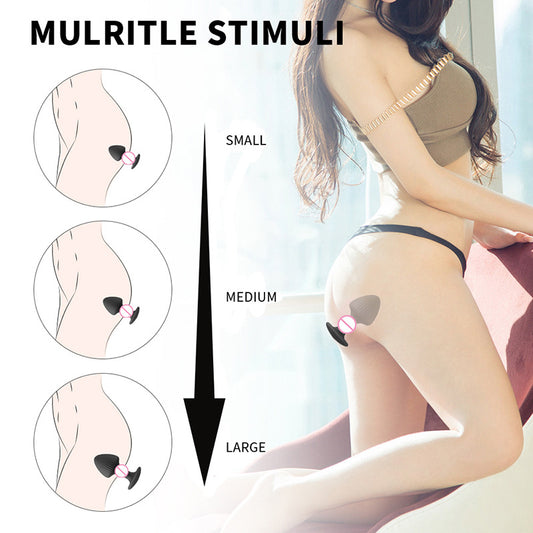
Mushroom Anal Plugs Set (S&M&L Bundle)
Normaler Preis $23.99Normaler Preis -
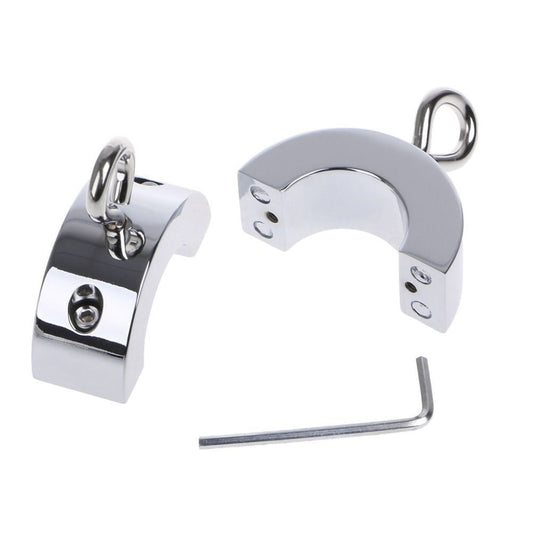
Adjustable Ball Stretcher Weight
Normaler Preis $58.99Normaler Preis -
Anal Sex Lubricant Body Lube
Normaler Preis $11.99Normaler Preis -
9 PCS Anal Butt Plug Set
Normaler Preis $34.99Normaler Preis -
Leather Ball Stretcher With Cock Ring
Normaler Preis $28.99Normaler Preis -
Anal Big Prostate Massager - Daily Use Anal Plug
Normaler Preis $18.99Normaler Preis -
Anal G Spot Pure Wand Stainless Steel Dildo
Normaler Preis $38.99Normaler Preis -
Hooked Stainless Steel Anal Hook
Normaler Preis $22.99Normaler Preis -
Huge Silicone Anal Butt Plug
Normaler Preis $29.99Normaler Preis -
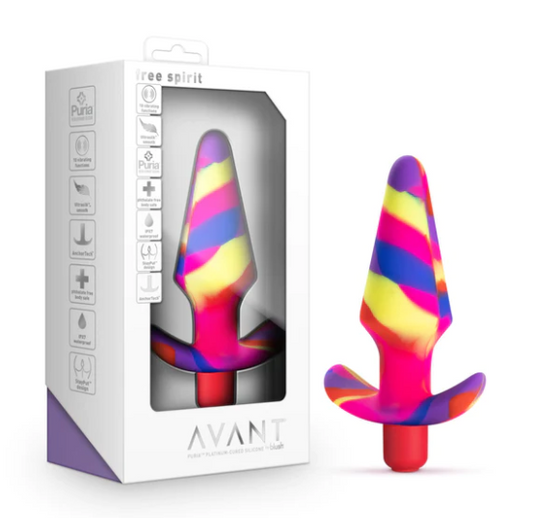
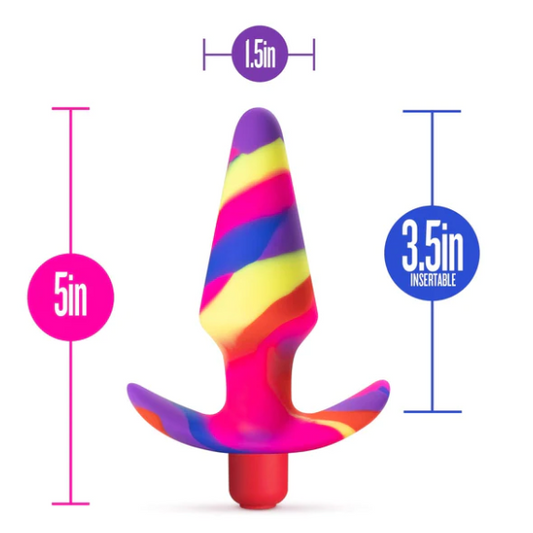
Avant Free Spirit Scarlet 5-Inch Vibrating Anal Plug
Normaler Preis $38.99Normaler Preis -
Cock Ring and Ball Stretcher Combos
Normaler Preis $11.99Normaler Preis -
Remote Control Butt Anal Plug Vibrator Plug
Normaler Preis $35.99Normaler Preis -
14cm Silicone Anal Beads
Normaler Preis $14.99Normaler Preis -
Gem Anal Butt Plugs
Normaler Preis $11.99Normaler Preis -
Candy Love Anal Butt Plug
Normaler Preis $11.99Normaler Preis -
Vibrating Foxy Tail Silicone Anal Plug
Normaler Preis $57.99Normaler Preis -
Vibrating Butt Plug Anal Training
Normaler Preis $29.99Normaler Preis -
6.89" Large Butt Plug Big Buttplug Anal Toys
Normaler Preis Von $28.99Normaler Preis -
Humbler CBT BDSM Devices Balls Stretcher Restraints
Normaler Preis $68.99Normaler Preis -
Stainless Steel Anal SM Flogger Whip
Normaler Preis $33.99Normaler Preis







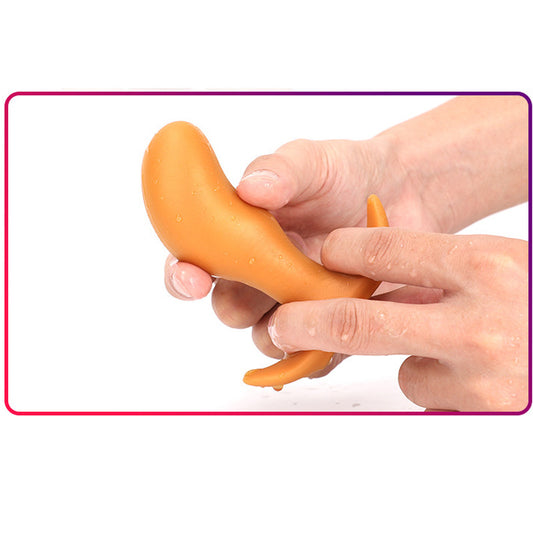

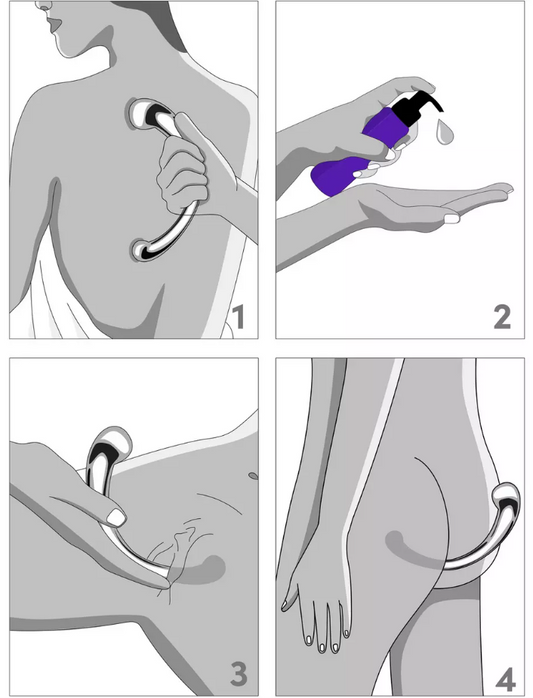



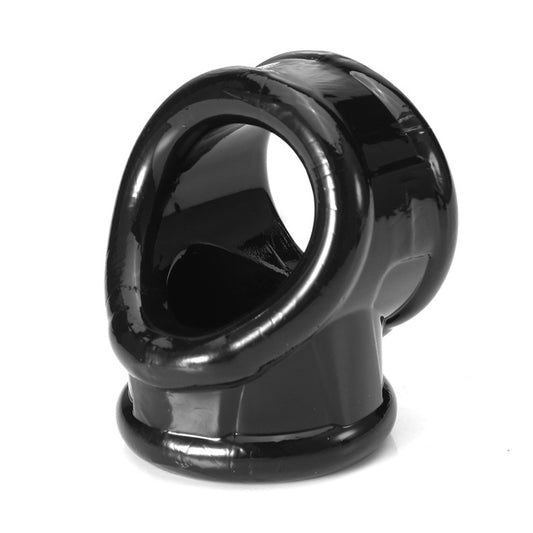

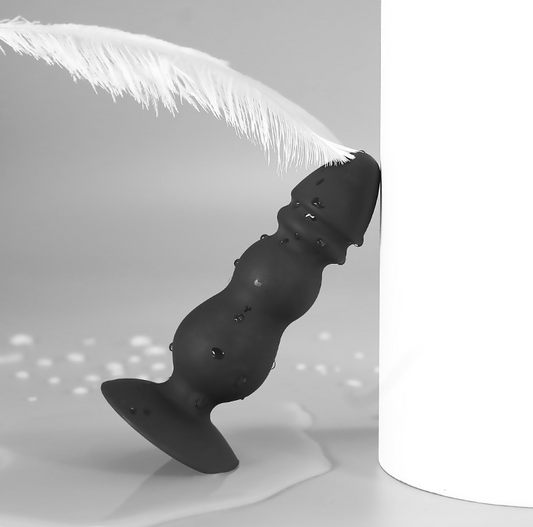

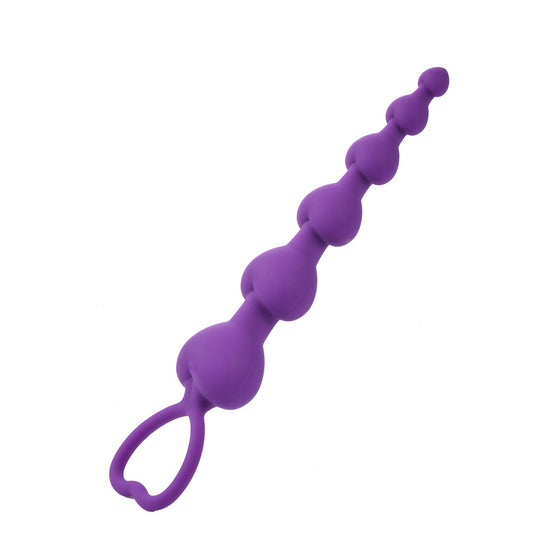

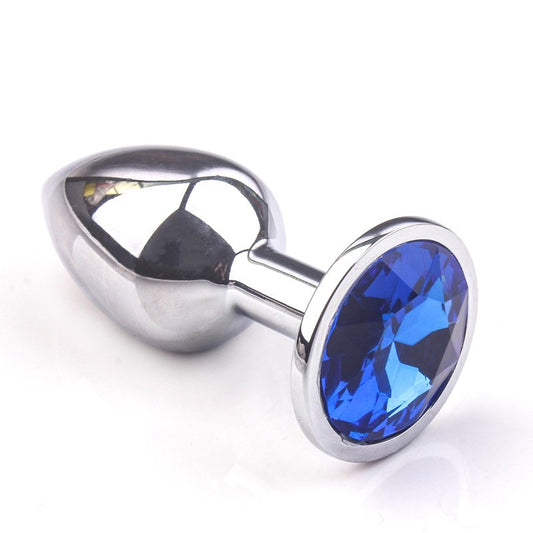

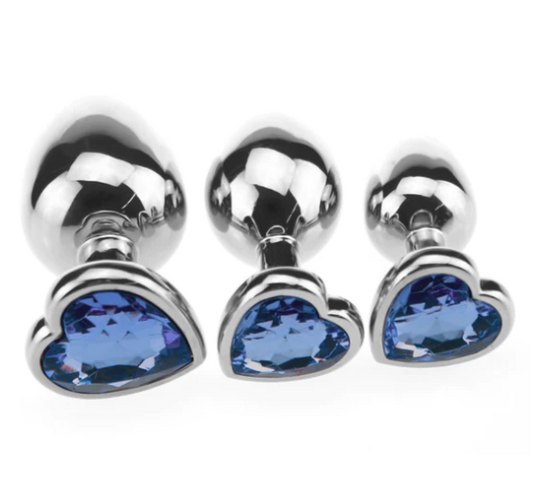


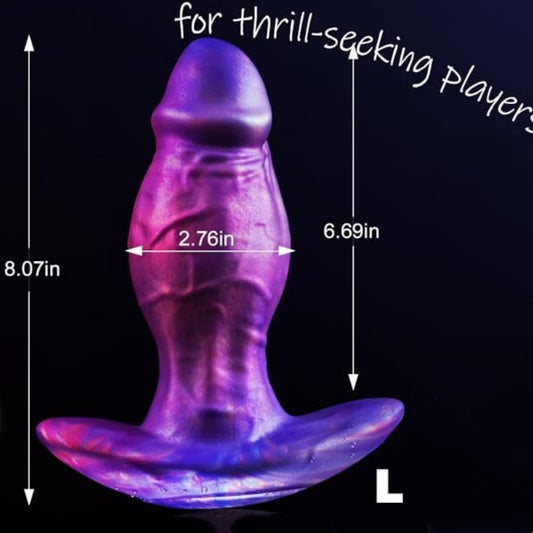


An anal stretcher can produce sensations in one of the body's most nerve-dense areas, including prostate orgasm, but only if you use it correctly. Pain during anal training means something is wrong, not that you should push through a milestone. Whether you're using a stretcher for the first time or correcting your technique, simple anal training fundamentals can make a major difference.
This piece explains whether anal tissue can stretch safely, how to stretch anal muscles without pain, and what distinguishes a quality silicone anal stretcher toy from riskier options. You can train with confidence and stay safe.
What Are Anal Stretchers and What Can They Do?
Anal stretchers come in several forms, and the difference between them goes beyond appearance. Some serve medical purposes, while others are made for pleasure. Confusing the two can send you down the wrong path.
Anal training versus medical dilation
Medical dilation keeps tissue open after surgery. It does not build size for pleasure. Children recovering from anorectal malformation repairs, for example, follow a strict Hegar dilator schedule. They insert the dilator for 30 seconds twice each morning and twice each evening, then increase the size weekly based on age-specific targets. These targets range from size 12 during infancy to size 17 at age 12 and older. After the target size passes easily, patients reduce the frequency gradually over several months instead of stopping at once.
True medical dilators are smooth and straight because they serve a functional purpose. Anal trainers for pleasure have a tapered tip that allows easier insertion and a flared base that supports safe removal. Put simply, a medical dilator and a sex toy sold as an anal stretcher may have a simple shape in common, but they serve different goals. One meta-analysis found that manual anal stretching techniques had a high success rate, whereas medical dilation alone was less effective. This difference matters when you compare clinical research with approaches that support anal training at home.
How the anal sphincter responds to pressure
Your body does not passively accept pressure. It responds through layered systems that operate mostly without conscious control. The internal anal sphincter accounts for more than 70% of resting anal pressure and works independently of conscious effort. At the time the rectum fills or stretches, the rectoanal inhibitory reflex activates. The internal sphincter relaxes briefly, then the external sphincter and puborectal muscle contract to keep everything in place.
Patience becomes a technique here, not just a virtue. Research on the puborectal muscle showed that stretching triggered involuntary contractions that were stronger and lasted longer than voluntary contractions. These responses reached pressures of about 150 mmHg and lasted nearly six minutes, compared with roughly 70 mmHg for about a minute and a half during a voluntary squeeze. Different parts of the anal canal also relax by different amounts and for different periods after stretching. That explains why resistance does not fade evenly or immediately. Your body is built to resist sudden stretching, and willpower cannot override that reflex quickly. You get better results by working with your body rather than against it.
Why larger sizes are not a required goal
The pursuit of size alone misses the point of anal training. Vaginal tissue can stretch substantially and return to its original shape, but anal tissue does not have the same natural elasticity. Extreme stretching can raise the risk of micro-tears. Further stretching can worsen those tears after they form.
Diameter creates the feeling of fullness and stretch, not length. That is why sizing discussions focus on width first. Progress means feeling comfortable and familiar with a given size, not racing toward the next one. Rushing offers no reward. The goal is a comfortable and enjoyable experience that suits what your body can handle that day, not a number on a product label.
Is Anal Stretching Safe? Risks and Common Myths
Many myths surround anal stretchers, so it matters to separate real risks from internet folklore before you put a toy anywhere near your body.
Tears, infection, and possible sphincter injury
Anal tissue can tear easily with friction or rushed insertion. Once a fissure forms, continuing to train can make the injury worse. Anal pain is not rare. It affects roughly 5-15% of people of all ages and genders, though stretching or training does not cause all of that pain. Hemorrhoids and fissures are common and treatable, but pushing through a session instead of addressing them increases the risk of infection and extends recovery. Bleeding is never a normal part of anal play. Anything beyond faint spotting is a clear sign to stop the session immediately.
Why pain is not a normal part of progress
Pain is your body's signal to stop, not an obstacle to overcome on the way to a larger size. Pushing through pain can cause micro-tears. Those tears can trigger guarding, which is involuntary muscle tightening that may set your training back for weeks. Discomfort that fades within seconds can be a normal adjustment, but lingering pain is not. That difference separates safe training from an injury waiting to happen. Too little lube is the most preventable cause of pain during a session because friction can damage the tissue you are trying to condition.
The truth about permanent stretching and bowel control
A common myth says anal stretchers can permanently loosen your sphincter or damage bowel control. Anatomy does not support that claim. Sphincters are muscles, and gradual training at a comfortable pace can build capacity while the muscles retain their tone and function. Real sphincter damage looks nothing like careful training, but. Obstetric anal sphincter injuries affect around 0.8% of vaginal deliveries, or roughly 6,000 women each year in France alone. Undiagnosed sphincter injury may affect up to 35% of women after vaginal delivery. Chronic constipation and repeated straining can also stretch and weaken the muscles around the anus until the sphincter remains open. Leakage can develop over time as a result. Trauma, surgery, or chronic strain cause these injuries, not a well-paced session with a properly sized toy.
At the time to speak with a healthcare provider before starting
Anal pain that lasts more than a few days, or worsens instead of improving, needs medical advice before you use a toy. Recurring bleeding, bleeding that does not resolve quickly, foul-smelling discharge, or pain that makes bowel movements difficult also needs medical attention. You should not train through any of these symptoms. Fissures and hemorrhoids are common, treatable conditions, and a provider can address them instead of having you mask the symptoms during a session. Pelvic floor physical therapy may be worth discussing with a provider if anal pain already disrupts your daily routine. This treatment addresses the muscle tension and coordination issues that often cause chronic discomfort.
How to Choose an Anal Stretcher and Lube
Picking the right stretcher means matching the tool to your goal instead of choosing the biggest option on the shelf.
Small tapered plugs versus anal dilators
A small tapered plug has a narrow tip to make insertion easier, then widens before the flared base. That shape makes it a good choice for beginners who want to ease into anal training. Anal dilators are smooth and straight, without a bulge or taper, and usually come in graduated sets that begin at about 0.5 inches in diameter. These sets allow you to move from the smallest piece to larger sizes at your own pace, so your body can adjust before you move up. Dilation focuses on stretching the canal itself, so length matters less than it does with plugs.
What to check in a silicone anal stretcher toy
Choose nonporous, body-safe materials such as medical-grade silicone, ABS plastic, stainless steel, or glass. Rubber, jelly, and PVC are porous, which means bacteria can remain in tiny pores even after washing. Check that the product includes clear cleaning and care instructions before you buy it.
Why a wide flared base matters
The rectum has no natural stopping point, unlike the vagina. Anything without a base wider than its widest insertable section could be pulled inside past the point of easy retrieval. A flared base, handle, or external arm keeps the toy outside your body. Strings and chains are not safe substitutes.
Diameter, shape, and firmness: reading product sizes
Diameter determines how much stretch you feel, so it matters more than length for most beginners. A widest diameter of around 1 inch or less works well for many people who are starting out, which is about the width of a standard marker cap. Graduated sets show how sizing can progress: a beginner-friendly plug may start around 0.84 to 1 inch, then increase to 1.5, 1.75, and 2.25 inches as comfort improves. Firmness also affects the experience. Soft silicone flexes with your body and suits beginners, while firm silicone keeps its shape and creates more distinct pressure. Stainless steel and glass remain rigid for a precise, unyielding feel.
Lube compatibility with toys and condoms
Water-based lube works with both silicone toys and latex condoms. Silicone-based lube can break down silicone toys over time. Silicone lube is safe on top of a condom covering a silicone toy, but it should never touch the toy directly. Oil-based lube should not be used with latex condoms.
Why expanding devices and household objects add risk
Household objects were not designed for this purpose. They do not have a flared base, and removal may require medical care if they become difficult to grip.
First-Time Anal Training: Preparation and Safe Technique
Preparation before anal training matters as much as the toy you use. The steps you take ahead of time shape much of the experience once you begin.
Hand and toy hygiene without harsh or repeated douching
Wash your hands and toy with soap and water or a dedicated sex toy cleaner before and after each session. Anal training does not require douching, although some people feel more confident after doing it. A bowel movement about an hour beforehand and a regular shower are usually enough to feel clean without extra preparation.
Choose to douche only if you want to, and limit it to 2–3 times a week and no more than once a day. Frequent rinsing can disrupt your gut's natural bacterial balance. Avoid high-pressure showerheads and harsh solutions. Lukewarm water with a gentle squeeze is enough.
Consent, clear limits, and staying in control
Set your limits before you begin, whether you are training alone or with a partner. Clear communication about what you want and do not want prevents confusion later. One survey on sexual consent communication found that 42% of respondents named clarified expectations as the main benefit, while 22.2% identified sexual boundary violations as a barrier.
Staying in control means you can pause or stop as soon as something feels wrong. You do not owe anyone an explanation.
Gentle handling without forcing resistance
Start slowly and stay patient. Take a few deep breaths to relax your muscles before inserting anything. Let your body adjust at its own pace instead of pushing through resistance.
Use fingers or a small toy as a warm-up before moving to an anal stretcher. Your sphincter needs time to relax rather than pressure to open.
Using enough lube and avoiding numbing products
The anus does not produce its own lubrication, so use lube generously and reapply it throughout the session. Water-based lube works with silicone toys and condoms, which makes it a safe default for most setups.
Avoid numbing products. They can hide pain that would otherwise signal a problem, which increases the chance of tissue tears that you may not notice until afterward.
Comfort across sessions, not deadlines, guides size changes
Increase size only after your current stretcher feels fully comfortable over several sessions. Do not follow a fixed schedule. There is no deadline and no benefit to rushing.
Your body's response should determine when you are ready to move up a size.
Aftercare, Recovery, and When to Get Medical Help
Recovery from anal training begins as soon as the session ends, and your actions over the next few minutes can affect your next session.
Cleaning and storing toys after use
Wash your stretcher with soap and water immediately after use. Let it air dry completely before storing it. Keep silicone pieces in a breathable pouch instead of sealed plastic because trapped moisture can cause odor and bacteria to build up.
Allowing symptoms to settle before thinking about another session
Stop anal play as soon as you notice pain or bleeding. Wait until your symptoms clear before you try again. Eat a high-fiber diet, drink plenty of water, and avoid straining to support healing. Use plain water or a wet cloth for gentle washing. Avoid scented soaps, bubble bath, and talcum powder near the area.
Pain, bleeding, or bowel changes that need medical advice
Anal discomfort that lasts longer than two days needs a doctor's assessment. Bleeding that continues beyond a day or two also needs medical attention. Discharge or new lumps need evaluation. See a doctor if an itchy bottom does not improve or if you have trouble controlling bowel movements instead of treating these issues yourself.
Heavy bleeding, severe pain, or a trapped toy: seek urgent care
Heavy or continuous bleeding and severe abdominal pain require an emergency room visit. Seek urgent care if you have signs of shock, such as dizziness, fainting, or cold, clammy skin. A toy stuck inside requires emergency removal by trained staff. Never try to retrieve it yourself.
Conclusion
Anal stretchers can open up new sensations, but only if you pay attention to what your body tells you. Of course, patience beats speed every time. Feeling comfortable at your current size, rather than reaching a bigger number, shows real progress.
Choose body-safe materials and a proper flared base. Use plenty of water-based lube to reduce the risks that give this practice a bad reputation. Knowing when pain signals a problem instead of a milestone also helps protect your long-term safety.
Successful training depends on good preparation and listening to your body throughout the process. Clear communication also matters, so you can enjoy the experience safely and fully.