
-
Double Lock Detachable Plastic Chastity Cage
Normaler Preis $27.99Normaler Preis -
3.54'' Chainmail Chastity Cage
Normaler Preis $47.99Normaler Preis -
Dick Resin Chastity Cage
Normaler Preis $49.99Normaler Preis -
Bee Sting App Controlled Electric Shock Chastity Cage
Normaler Preis $149.99Normaler Preis -
Bunny Chastity Cage
Normaler Preis $35.99Normaler Preis -
1.28'' Diameter Lightweight Stainless Steel Chastity Cage
Normaler Preis $33.99Normaler Preis -
Cute Monster Cartoon Chastity Cage
Normaler Preis $49.99Normaler Preis -
Cute Pink Paw Pad Chastity Cage
Normaler Preis $49.99Normaler Preis -
Angel Chastity Cage
Normaler Preis $64.99Normaler Preis -
Blush Aura Resin Chastity Clamp
Normaler Preis $39.99Normaler Preis -
Demon & Angel Lightweight Resin Chastity Cage
Normaler Preis $66.99Normaler Preis -
3D Printed Sissy Chastity Cage
Normaler Preis $52.99Normaler Preis -
Chastity Sex Toys With 5 Sizes Rings 2 Keys & 1 Lock
Normaler Preis $45.99Normaler Preis -
AeroMesh Hollow Chastity Cage
Normaler Preis $69.99Normaler Preis -
Adjustable Stainless Steel Chastity Belt for Women – Double Locking
Normaler Preis $29.99Normaler Preis -
Adult Chastity Leather Pants
Normaler Preis $36.99Normaler Preis -
2-in-1 3d Metal Testicle And Chastity Cage
Normaler Preis $57.99Normaler Preis -
2.36'' Straight Stainless Steel Chastity Cage
Normaler Preis $39.99Normaler Preis -
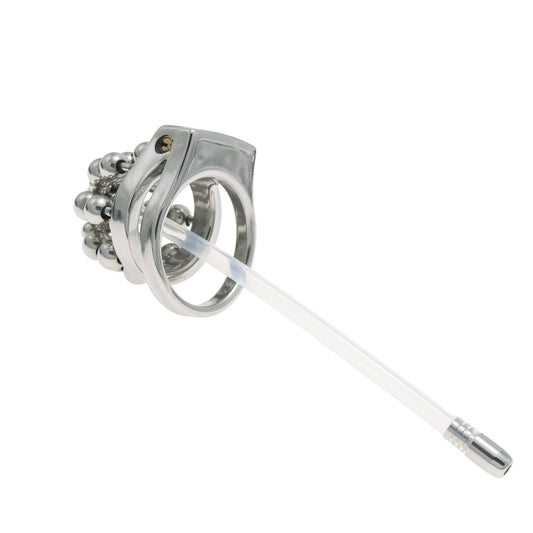
24-Bead Stainless Steel Chastity Cage with Urethral Tube
Normaler Preis $49.99Normaler Preis -
Black Slave Chastity Cage
Normaler Preis $38.99Normaler Preis
























What Chastity Cages Actually Are (Not Medieval Torture Devices)
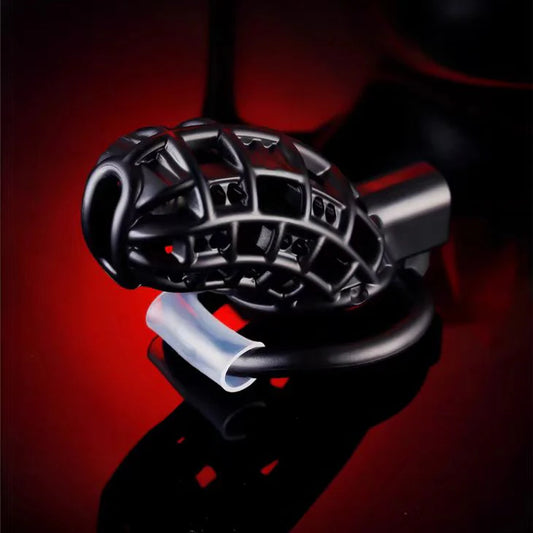
A chastity cage is a wearable device that restricts physical access to the penis by enclosing it within a structured cage. The simple chastity cage meaning centers on preventing erection and direct stimulation while worn. These male chastity devices function as tools for consensual control, whether self-imposed or managed by a partner.
The Modern Male Chastity Device Design
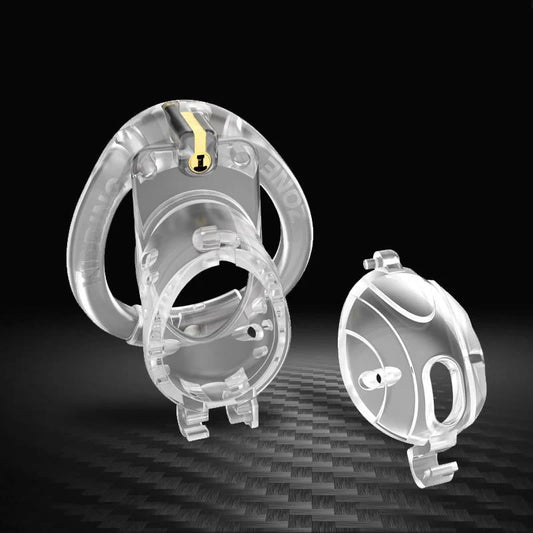
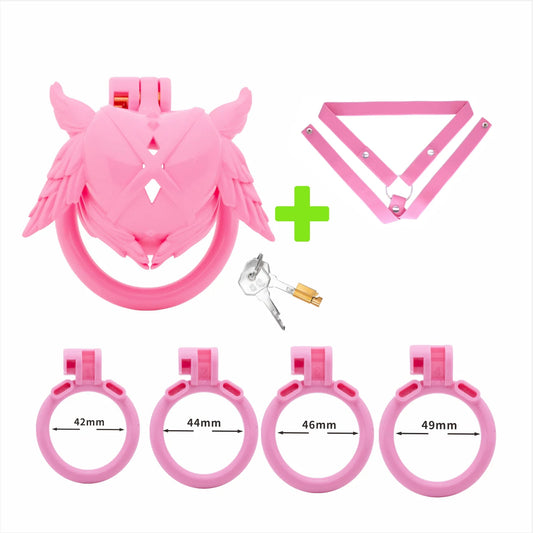
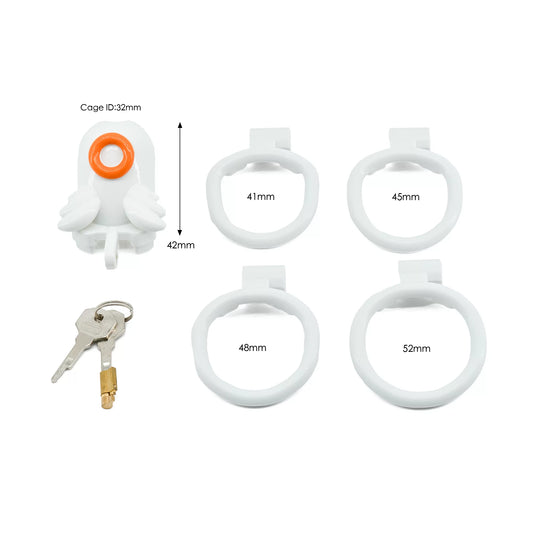
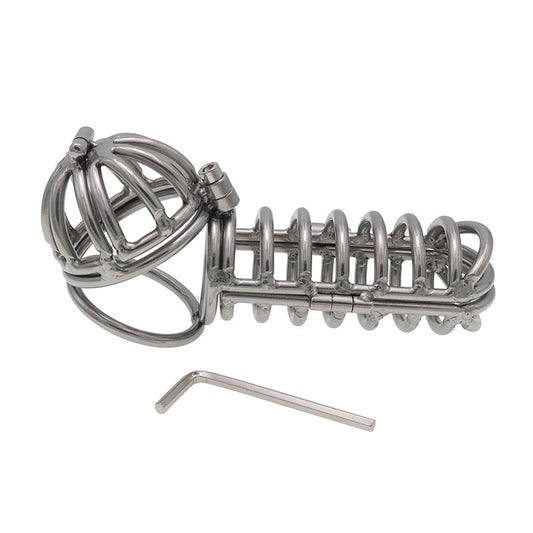
The standard male chastity cage consists of two essential components working together. A base ring fits around the penis base and behind the testicles, while the cage section encloses the shaft. A lock or integrated locking mechanism secures both parts once assembled and creates a complete restriction system.
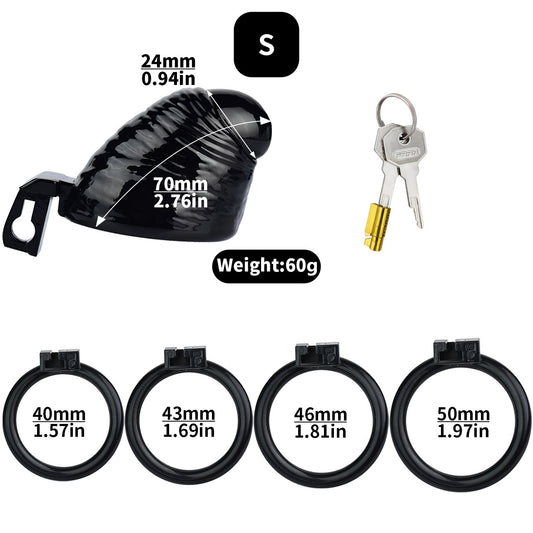
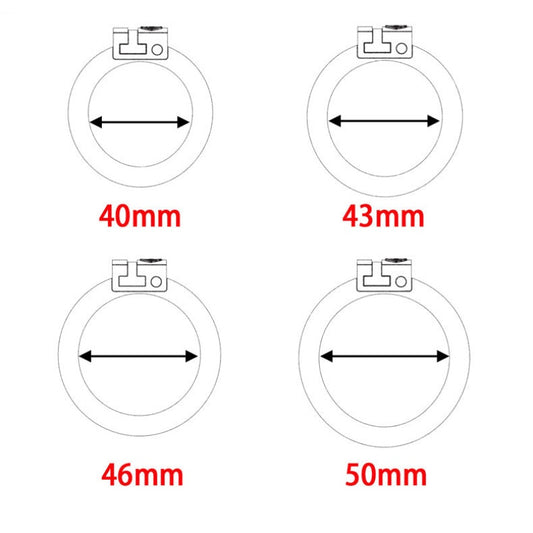
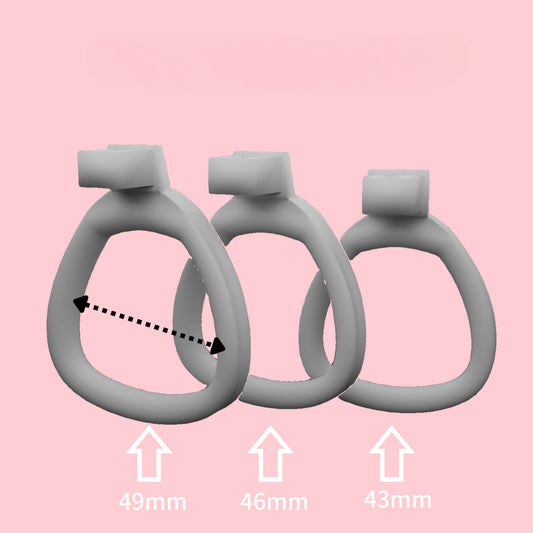
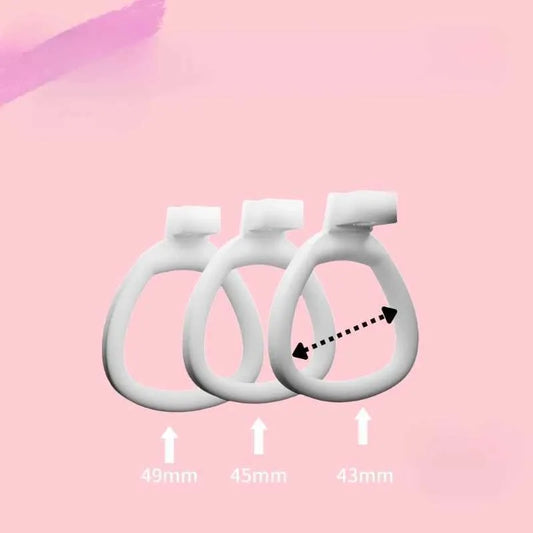
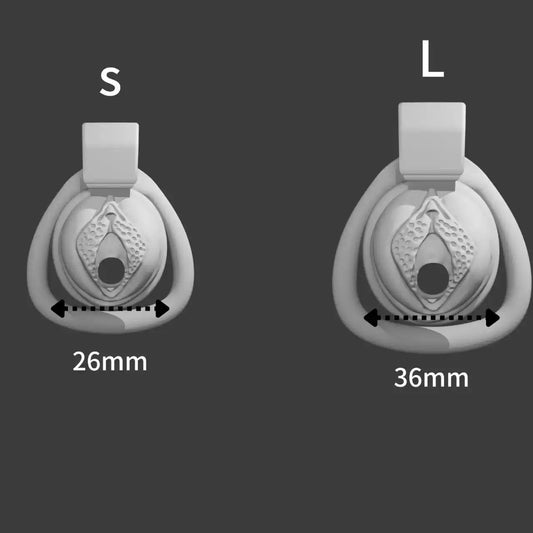
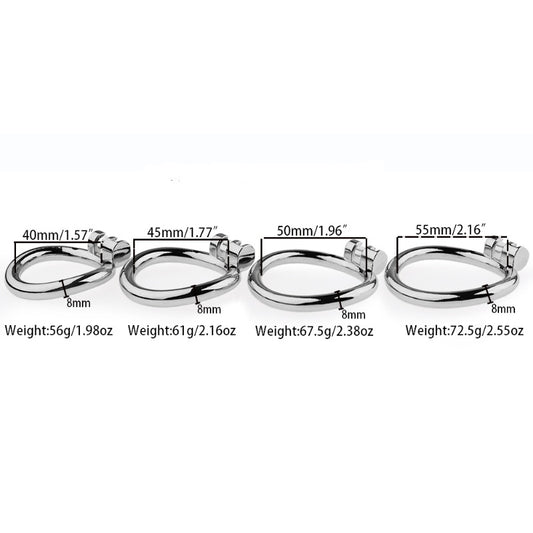
The base ring serves as the anchor point for the entire device. Ring sizing affects security and comfort, with options that range from 35mm to 57.2mm inner diameter. The ring either slips off or restricts blood flow if sized wrong. The cage portion varies by design but shares a common purpose: containing the penis in a flaccid state. Open-bar designs allow ventilation, while enclosed models provide maximum restriction.
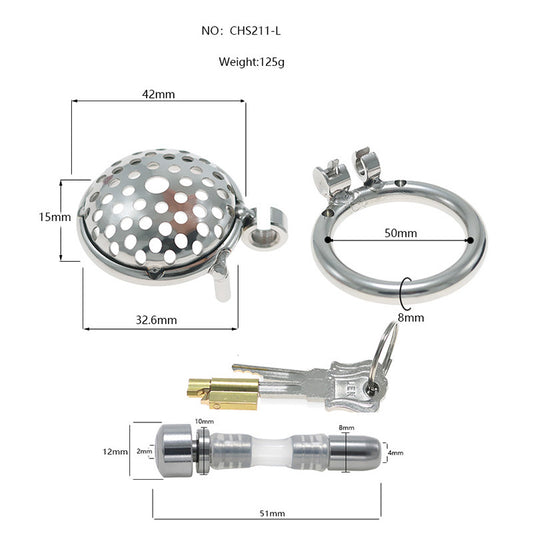
Locking mechanisms range from traditional padlocks with physical keys to integrated locks and even app-controlled systems for remote access. Some designs incorporate hidden locking systems to reduce noise from metal-on-metal contact.
How a Chastity Cage Works
The physical mechanism blocks two functions. First, the cage prevents erection by confining available space. The rigid structure makes full erection uncomfortable or impossible when arousal occurs. Second, the device restricts direct touching and stroking of the penis shaft.
Note that the restriction creates both physical and psychological effects. Many users report a mental change away from immediate gratification toward heightened anticipation. The constant physical presence serves as a tangible reminder of the dynamic at play, whether for self-discipline or power exchange.
Different cage styles produce varying levels of restriction. Flat and inverted designs create minimal profile, while standard cages maintain traditional form. Micro cages compress to very compact sizes and intensify the confinement sensation.
Common Materials: Metal vs Resin
Material choice affects weight, security, comfort, and maintenance. Stainless steel represents the security-focused standard. Medical-grade stainless steel cages weigh between 150 to 300 grams depending on design. The substantial weight creates constant awareness and resists any attempt at removal without tools. Quality matters with metal. Medical-grade 316L stainless steel provides hypoallergenic properties and corrosion resistance. The steel's non-porous surface prevents bacterial penetration and makes cleaning straightforward with soap and water.
Silicone cages weigh just 30 to 60 grams, roughly one-fifth the weight of steel equivalents. Medical-grade silicone offers flexibility and forgiveness for sizing errors. The material flexes with body movement and creates a more comfortable experience for beginners. Silicone can be cut with household tools, which reduces physical security.
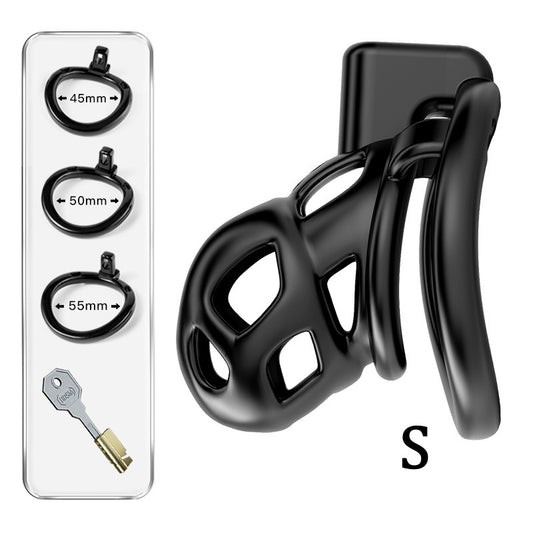
Resin occupies the middle ground between steel and silicone. High-quality resin cages weigh 60 to 100 grams and provide substantial presence without excessive weight. The Holy Trainer series exemplifies this category with solid, enclosed body designs that create smooth profiles under clothing. Resin shares the steel's rigidity while maintaining lighter weight. The material is non-porous and impact-resistant when manufactured well.
Plastic options, the CB-series devices in particular, offer the most affordable entry point. These polycarbonate designs include interchangeable parts for fit adjustments. The Cobra chastity cage design, available in both authentic and knockoff versions, has gained popularity for balanced comfort and restriction.
Each material category serves different priorities. Steel suits experienced users who prioritize security and psychological weight. Silicone works for first-time exploration and travel discretion. Resin balances extended daily wear with presence. Plastic provides budget-friendly experimentation.
The Main Types of Chastity Devices
Chastity devices come in a variety of shapes, sizes, materials, and locking systems. While traditional designs use an enclosed cage, newer styles focus on compact profiles, reduced projection, or alternative forms of restriction.
Understanding the main types can help you compare different designs based on comfort, discretion, fit, and intended use.
Classic Chastity Cage Designs
Classic chastity cages typically feature an enclosed tube that surrounds the penis while leaving openings for ventilation and urination. Most designs consist of three main components: a cage, a base ring, and a locking mechanism.
The cage length and internal diameter can vary significantly between models. Some designs are relatively spacious, while others provide a closer fit with less room for movement.
Common features include:
- Ventilation openings for airflow
- An opening or channel for urination
- A removable cage structure
- Interchangeable base rings
- Integrated or external locking systems
Some modern designs use rounded edges and ergonomic contours to reduce pressure during extended wear. Proper sizing remains important because a cage that is too tight or poorly fitted can cause discomfort.
Micro and Compact Chastity Cages
Micro chastity cages use a significantly shorter internal length than traditional designs. Their compact construction reduces forward projection and creates a more discreet profile under clothing.
Compact cages are available in several sizes, with some measuring only a few centimeters internally. They may appeal to users who prioritize a low-profile appearance or prefer a more restrictive design.
However, smaller does not automatically mean more comfortable. The cage should still provide enough space to avoid excessive pressure, pinching, or circulation problems.
When considering a micro cage, pay close attention to:
- Internal length
- Internal diameter
- Base ring diameter
- Ring thickness
- Ventilation openings
- Overall cage shape
Flat Chastity Cages
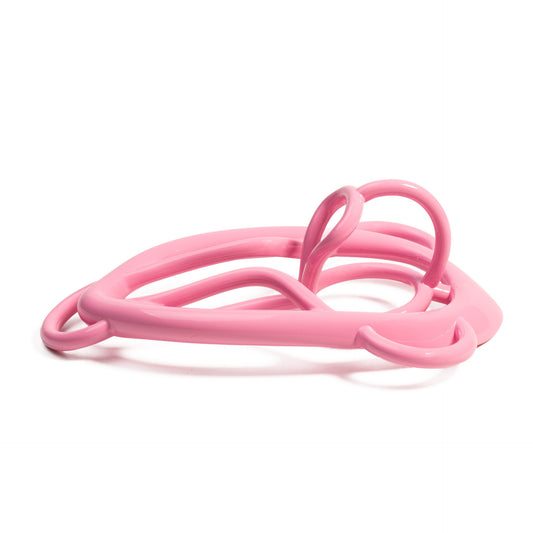
Flat chastity cages use a flatter construction instead of the traditional cylindrical tube. The design is intended to keep the device closer to the body and reduce visible projection.
These devices may use rigid materials to maintain their shape. Openings throughout the structure can provide ventilation while allowing easier cleaning.
A flat profile can be useful for people who prioritize discretion, particularly when wearing fitted clothing. As with any chastity device, proper measurements are essential for avoiding excessive pressure or discomfort.
Inward-Facing and Compact Designs
Some chastity devices use curved or inward-facing structures to reduce the amount of external projection. Instead of allowing the device to extend straight outward, the design keeps the enclosed area closer to the body.
These designs can create a particularly compact appearance and may appeal to experienced users who are familiar with restrictive devices.
Because the fit can be more demanding than a conventional cage, users should pay close attention to sizing and comfort. Any design that causes persistent pain, numbness, swelling, discoloration, or changes in sensation should be removed.
Base Ring Types
The base ring is an important part of a chastity device because it helps keep the cage positioned correctly. Ring sizes can vary considerably, so measuring accurately before purchasing is essential.
Common ring variations include:
Standard Rings:
A conventional circular design intended to provide a balance between stability and comfort.
Extended Rings:
These may alter the position of the cage or reduce the space between the cage and the body.
Contoured Rings:
A curved shape can follow the body's natural contours and may help distribute pressure more evenly.
When selecting a ring, consider both the inner diameter and the thickness of the ring. A ring that is excessively tight can create unnecessary pressure, while one that is too loose may not keep the device securely positioned.
Chastity Locking Mechanisms
Different chastity devices use different locking systems. The mechanism can affect security, convenience, noise, and overall appearance.
Padlocks:
Traditional padlocks are easy to recognize and replace. However, they can add extra bulk and may produce noise during movement.
Integrated Cylinder Locks:
These mechanisms are built into the device and can create a cleaner, lower-profile appearance.
Numbered Disposable Seals:
Single-use seals can provide a simple way to identify whether a device has been opened or removed.
Screw-Based Locks:
Some designs use a small screw or similar fastening mechanism instead of a conventional padlock. These systems can provide a quiet and compact locking solution.
The best locking mechanism depends on whether your priority is discretion, convenience, visible security, or ease of removal.
How to Choose the Right Chastity Device
Before purchasing a chastity device, compare the measurements rather than choosing based solely on appearance. Important specifications include cage length, internal diameter, base ring size, material, weight, ventilation, and locking method.
For first-time users, a design with a comfortable fit, adequate ventilation, smooth edges, and easy removal may be easier to manage than an extremely compact or restrictive model.
Regardless of the design, regular cleaning and inspection are important. Remove the device if you experience significant pain, numbness, swelling, skin irritation, discoloration, or reduced circulation.
Why People Choose to Wear Chastity Cages
Motivations for wearing a chastity cage range from personal self-improvement goals to consensual relationship dynamics. Understanding these reasons clarifies who benefits from male chastity and why the practice continues spreading.
Self-Discipline and Impulse Control
Chastity serves as an experience of self-discipline, control and personal growth for many users. The physical boundary created by a chastity device reinforces personal commitments that willpower alone doesn't maintain very well. The cage creates tangible restriction around impulse instead of relying on mental resistance.
Research suggests chastity devices can function as external accountability for managing ADHD and address impulsivity challenges. Knowing how to delay gratification in one domain predicts self-control in any domain. Users building discipline through chastity challenges often report this mental training extending beyond sexual contexts into other life areas.
BDSM and Power Exchange Dynamics
A chastity cage represents physical manifestation of control exchange in BDSM contexts. The submissive surrenders the most private control while the keyholder accepts responsibility for that surrender. Both partners feel the weight of that exchange every hour the lock stays closed.
Power dynamics don't require physicality, but physical representation makes feeling powerful easier for many dominants. The cage functions as a constant background presence of submission between scenes. This surrender acts as devotion, a daily physical statement of trust locked around vulnerable anatomy.
Intensifying Sexual Experience Through Denial
Your brain's dopamine spikes during anticipation rather than gratification itself. Chastity practice keeps wearers in the wanting phase indefinitely and maintains heightened dopaminergic states. The wearer has been building anticipation for days by the time release is granted, and the resulting orgasm arrives with substantially greater intensity.
Couples practicing denial describe post-chastity orgasms using vocabulary bordering on religious experience. The constant low-grade arousal state keeps desire present, attention focused on partners and electricity in ordinary moments.
Fetish and Erotic Appeal
Material itself holds erotic appeal for some users. Metal's shininess, firmness and constant weight create fetishistic satisfaction. The paradox of protective material being used to expose and create vulnerability intensifies the psychological experience.
Degradation plays a role for certain users. Someone locked in a chastity device cannot touch their genitals at whim like others can and creates a humiliation dynamic some find arousing. The cage becomes a permanent mark of ownership, a constant physical reminder of belonging.
Relationship Structure (FLR and Dom/Sub)
Female-led relationships incorporate chastity as a control mechanism. The submissive hands control of sexual pleasure to their partner, deepening trust and building anticipation. Partners in these dynamics report the locked partner becomes more attentive to their needs. Women describe not needing to worry about their partner's orgasm as liberating.
Who Chastity Cages Are Actually For
Users span a wide demographic, from people managing personal habits to couples restructuring relationship power. The practice accommodates both short-term experimenters and committed long-term practitioners.
Solo Users Seeking Self-Control
Self-locking appeals to those learning about chastity without a partner. Users report they enjoy the willpower challenge and conscious awareness of wearing a device throughout daily activities. Some wear cages as a kinky secret in public spaces, at work, or during family gatherings.
Solo practitioners employ creative security methods. Lockboxes with timers prevent key access for set periods, though most commercial timers max out around 99 hours. More committed users mail keys to themselves and create unpredictable retrieval times. Others use chastity apps to add tasks or randomness to their experience.
Many solo users address compulsive behaviors. Chastity devices help manage porn consumption and excessive masturbation. They create physical barriers to impulsive actions.
Couples Learning About Power Dynamics
Partners using chastity report that communication is the foundation. Couples who make this dynamic work talk about boundaries, duration, comfort and expectations at length. Chastity functions as something the keyholder does for the locked partner rather than to them.
Women holding keys describe how they appreciate the attentiveness their partners show while locked. The locked partner's sexual energy redirects toward pleasing the keyholder rather than self-satisfaction.
People in Female-Led Relationships
An estimated 10-15% of couples practice some form of female-led relationship. Chastity serves as a direct expression of female authority within these dynamics. The keyholder controls access to physical intimacy, and this control extends beyond bedroom moments into constant awareness.
Couples in wife-led marriages often incorporate daily affirmations and domestic servitude expectations. Sexual relations occur at the woman's discretion.
Those Interested in Orgasm Denial
Denial doesn't guarantee zero orgasms. Users report hands-free orgasms from arousal alone, though these feel less pleasurable than full releases. Some couples record caged orgasms as "ruined" and extend lock time. Inverted cages make orgasm much more difficult than standard designs.
Beginners vs Experienced Users
Beginners struggle most with sizing decisions. Starting with inexpensive devices allows testing different measurements before investing in quality cages. Experienced users average eight weeks between orgasms after years of practice. One user reports continuous wear exceeding five years.
Safety Considerations and How to Know If It's Right for You
Chastity cage safety is non-negotiable and comes before anything else. Physical risks exist, and understanding them prevents avoidable injuries.
Physical Safety and Proper Sizing
Your base ring should feel snug without causing pain, numbness, tingling, or color changes. The tip of your index finger should fit underneath the ring comfortably. Circulation issues typically take about 2 hours to cause tissue damage, but you should remove anything causing restriction within 20 minutes of noticing problems. Striking color changes, persistent swelling, coldness, or reduced sensation are warning signs. Purple or "angry" looking tissue signals that you need immediate removal.
Hygiene and Health Concerns
You should remove and clean everything at least once weekly. If you have foreskin, clean every other day. Urine is acidic and causes skin burns without proper cleaning. One user developed epididymitis and hydrocele after extended wear periods. Remove the device until small wounds heal completely.
Understanding Your Motivation
You need to accept chastity as a default state rather than a constant willpower battle. Physical acceptance comes before mental acceptance. Porn and captions can condition you to associate cages with immediate release and prevent sustained wear.
Relationship Communication and Consent
Consent must be specific, informed, reversible, and open to change. Agreeing once doesn't mean agreeing to every timeframe or rule. Communication matters, and consent requires mutual respect.
When to Pause or Stop
Remove the device right away if you experience pain, numbness, swelling, skin damage, unusual temperature, difficulty urinating, or circulation concerns.
Conclusion
Chastity cages might seem unusual at first glance, but they serve legitimate purposes for a variety of users. You might be pursuing self-discipline, learning power exchange dynamics, or intensifying sexual experiences through denial. These devices offer tools for consensual control.
Safety should be your top priority. Proper sizing prevents circulation issues and regular hygiene prevents infections. Success with chastity comes down to motivation and clear communication with partners.
Start with affordable options to test sizing and comfort. Once you understand what works for your body and goals, you can invest in quality devices that match your specific interests.