
-
Sucking Blowjob Machine / Vibration Masturbation Cup for Male
Normaler Preis $50.99Normaler Preis -
Vibrator Penis Sleeve
Normaler Preis $40.99Normaler Preis -
Thick Fox Tail Silicone Vibrator Butt Plug with Remote
Normaler Preis $32.99Normaler Preis -
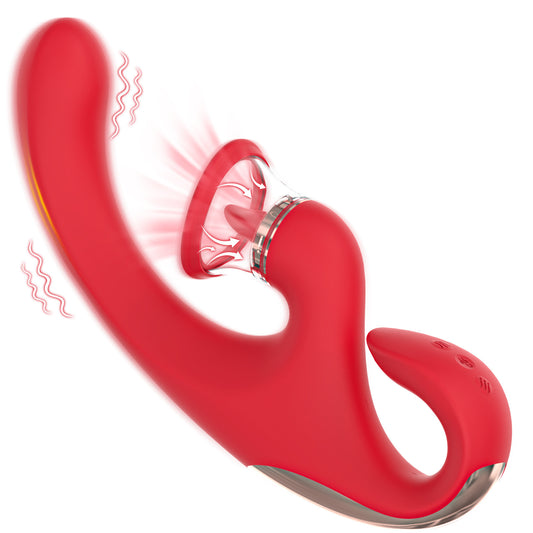
9+9 Dual Stimulation Clitoral Suction & G-spot Vibrator
Normaler Preis $99.99Normaler Preis -
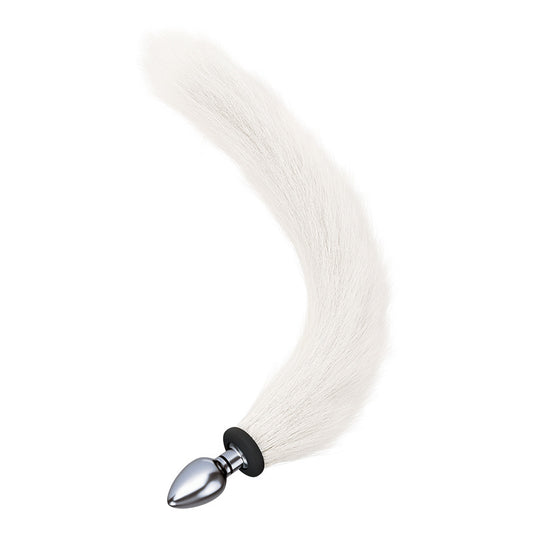
15.7'' Electro-Vibrating Fox Tail Butt Plug
Normaler Preis $44.99Normaler Preis -
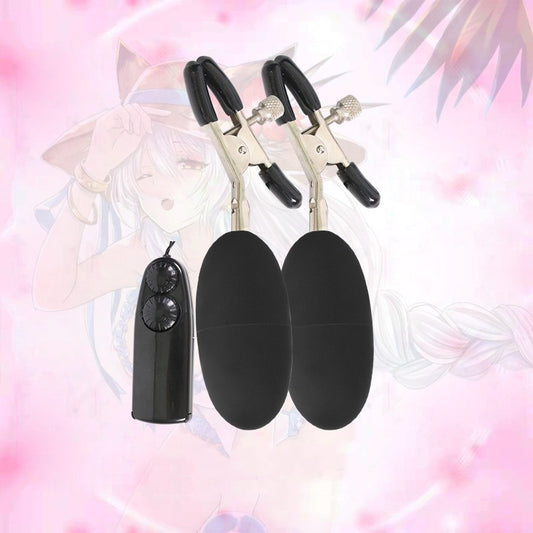
Double Vibrating Nipple Clamps
Normaler Preis $17.99Normaler Preis -
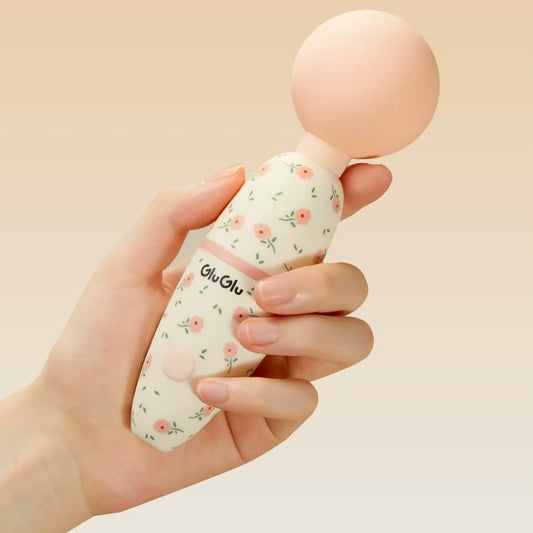
Gluglu Pocket Vibrator
Normaler Preis $133.99Normaler Preis -
Vibrating Cock Ring with Testicle Vibrator APP Remote Control & 3 in 1
Normaler Preis $46.99Normaler Preis -
7.68" × 1.54" Silicone Vibrating Wand For Female
Normaler Preis $29.99Normaler Preis -
Dual Rhythm Gradient Wand Vibrator
Normaler Preis $119.99Normaler Preis -
10 Modes Vibrating Bump Prostate Massager Vibrators
Normaler Preis $34.99Normaler Preis -
WavePulse Pro - 12X Vibrating Anal Beads
Normaler Preis $32.99Normaler Preis -
ClimaxSculpt - 10-Speed Sucking & Vibrating G Spot Stimulator Vibrator
Normaler Preis $29.99Normaler Preis -
3-Ring Vibrating Cock Ring - APP Controlled, 9 Vibration Modes
Normaler Preis $34.99Normaler Preis -
Locked Pulse Dual-Stimulation Cock Ring with Clitoral & G-Spot Vibrators
Normaler Preis $27.99Normaler Preis -
The Palm Grip Vibrator – Realistic Stroker with Powerful Pulsations
Normaler Preis $28.99Normaler Preis -
LockJoy 10-Mode Adjustable Vibrating Ring
Normaler Preis $22.99Normaler Preis -
Dual-Stimulation Vibrating Penis Ring for Couples – APP-Controlled & Body-Safe
Normaler Preis $24.99Normaler Preis -
PrettyLove Stanford Vibrating Finger Stimulator
Normaler Preis $19.99Normaler Preis -
Automatic Telescoping Stroker With Suction & Vibration
Normaler Preis $69.99Normaler Preis















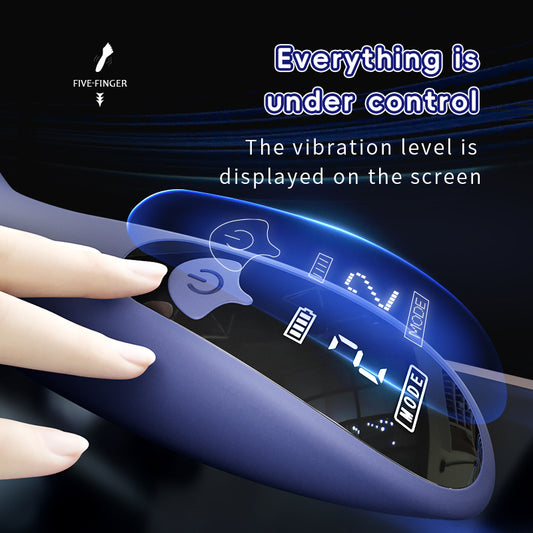

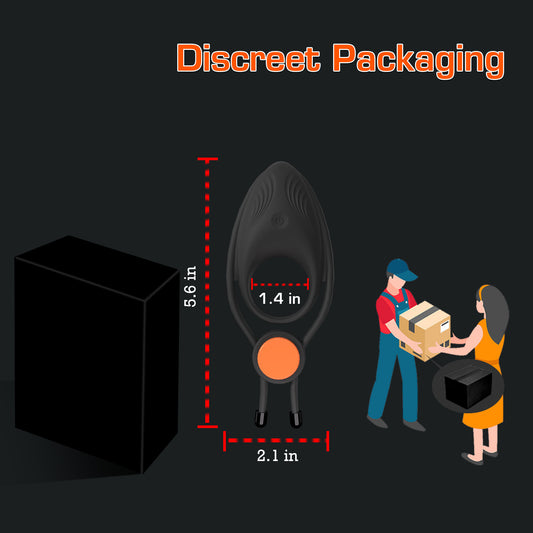

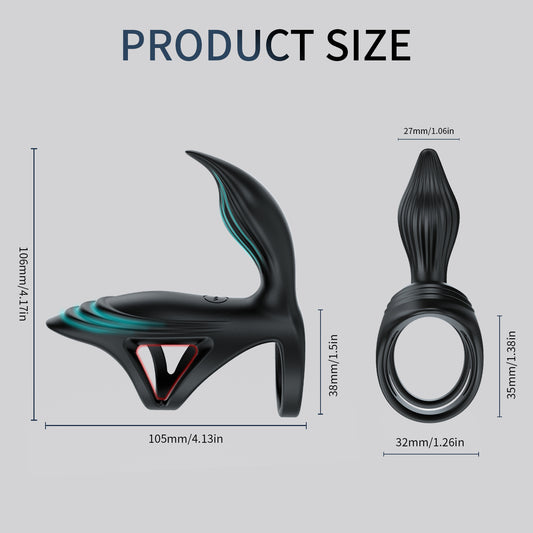

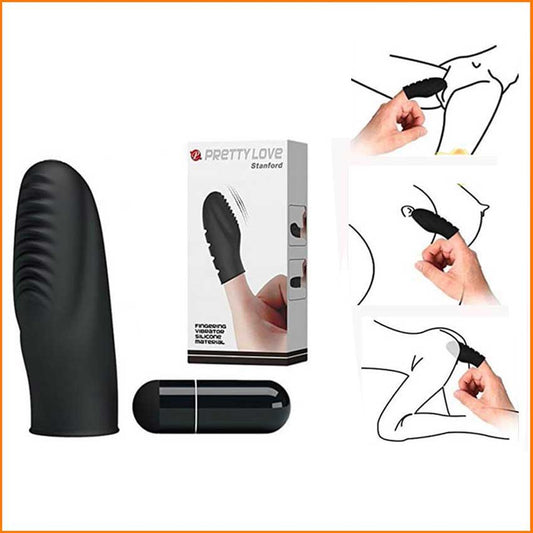


A finger vibration massager transforms your hand into a versatile pleasure tool. This makes it especially helpful when you have mobility concerns or are just starting out. These petite finger vibes slip onto or between your fingers and turn simple touch into boosted stimulation. The category has evolved beyond simple vibrating finger covers. You'll now find suction-based fingertip massagers, textured finger ticklers and thumping sensations. This piece walks you through what a vibrating massager does and the types you can choose from. We'll also cover key features and common mistakes you should avoid when choosing your first device.
What is a finger vibration massager and how does it work
Understanding finger vibes and their simple function
A finger vibration massager fits onto or between your fingers to deliver concentrated stimulation wherever you direct your touch. The core mechanism relies on a small motor housed inside a soft silicone body. Most vibrators use an internal motor that spins an off-center weight. This creates the vibration you feel. The spinning motion generates varying intensities depending on the motor's power and speed settings.
These compact devices work as extensions of your natural hand movements. You wear them during masturbation, foreplay, or intercourse to add vibration to your usual touch patterns. The design allows for precise control since you guide the stimulation with your finger's natural dexterity. Finger vibes maintain direct connection between your hand and the stimulated area, unlike larger vibrators that you hold in your palm.
Different styles: finger sleeves vs ring designs vs in-between grip options
Finger sleeve vibrators slip over your entire finger like a thimble or glove. They create a vibrating extension of your digit. Some models cover just the fingertip while others extend down to your knuckle. This style keeps the vibrator secure during use without requiring you to grip anything. The silicone material flexes to fit different finger sizes, though proper fit matters to ensure comfort during extended sessions.
Ring-style vibrators attach to your finger through a stretchy loop or band. They position a small bullet vibrator on top of your fingertip. This design sits above your finger rather than encasing it. You can often detach the bullet component to use it separately. Ring designs feel less constricting than full sleeves and work well if you have larger fingers.
In-between finger grip vibrators nestle between two fingers. A strap that wraps around your wrist during use secures them. Products like the dame fin finger illustrate this category. This style distributes the device's weight across multiple fingers instead of loading one digit. The position allows for broader surface contact and can feel more natural for some hand movements. These designs don't encase your fingers, so they maintain better tactile feedback while adding vibration.
What does a vibrating massager do for your pleasure
Finger vibes deliver targeted stimulation to external erogenous zones including the clitoris, vulva, and nipples. The precision placement lets you focus vibration where sensitivity peaks. You control pressure, angle, and movement patterns just as you would with manual touch while adding the sensory dimension of vibration.
The versatility extends to partnered scenarios where finger vibes integrate into activities you'd perform with bare hands. Their small profile fits between bodies during penetration or oral activities without the bulk of traditional vibrators. This makes them practical for couples wanting toy integration without repositioning.
Portability stands out as a practical benefit. These devices fit in a pocket or bag, making them travel-friendly options for discreet transport. Their compact size also translates to quieter operation compared to larger motorized toys. The non-threatening appearance makes finger vibes available starter options for people new to vibrating products or those who find anatomically-shaped toys intimidating.
Types of finger vibration massagers you should know about
Finger vibration massagers come in a wide range of shapes, attachment styles, textures, and stimulation technologies. Some fit directly over a finger, while others sit between two fingers or use targeted air-pulsation technology. Understanding the differences can make it easier to choose a design that matches your preferred fit, sensation, and level of control.
Finger Sleeve Vibrators and Vibrating Finger Covers
Finger sleeve vibrators partially or completely cover the finger, essentially turning it into a vibrating extension. Some feature an open-back or ring-style construction to reduce pressure around the finger while keeping the device securely in place. Others use textured surfaces and multiple vibration settings to combine movement with additional tactile stimulation.
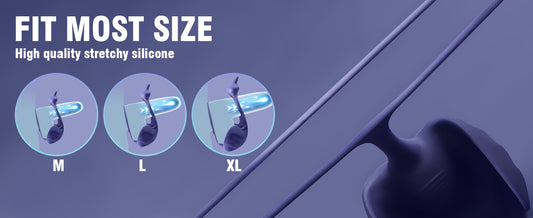
Sizing is an important consideration with full or partial sleeves. Some designs are available in multiple sizes, while stretchable materials can accommodate a wider range of finger sizes. A comfortable fit helps prevent excessive pressure and allows you to maintain better control during use.
Full-coverage finger sleeves may also add extra length or girth while incorporating ribs, waves, nubs, or other surface textures. These features can create additional sensations while directing vibration toward specific areas.
Material is another factor worth considering. Body-safe silicone is widely preferred because it is non-porous, smooth, and relatively easy to clean. Other materials, such as TPE or rubber, may offer more flexibility or stretch but can be more porous, making proper cleaning and care especially important.
Ring-Style Vibrators That Sit on Top
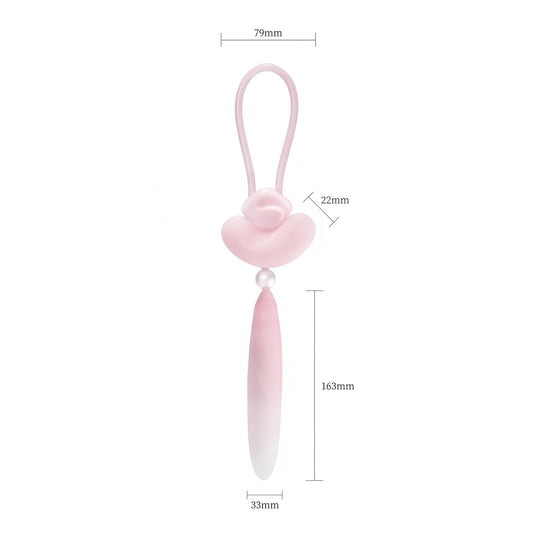
Ring-style finger vibrators use an adjustable, stretchy, or flexible band to secure a small vibrating motor on top of the finger. Unlike full finger sleeves, this design leaves the fingertip exposed, allowing direct contact while the vibration source remains positioned above the finger.
The vibrating head can range from a compact rounded shape to a larger bulb-like tip. Depending on the design, these devices may offer several speeds, vibration patterns, or intensity levels.
Some ring-style models also use removable bullet-style motors. This modular construction allows the vibrating component to be separated from the finger ring, which can make battery replacement, cleaning, or component upgrades more convenient.
This category can be useful for people who want the added stimulation of vibration without completely covering their finger.
Between-Finger Grip Vibrators
Between-finger vibrators use a different approach by resting between two fingers rather than covering a single digit. A flexible silicone strap or similar support system helps keep the device positioned between the fingers during movement.
This design can provide a stable grip while leaving the fingers relatively free to bend and move naturally. Some models feature a small rounded stimulation tip, while others use a wider body or multiple vibration motors to distribute sensation across a larger contact area.
The open design can also make it easier to adjust pressure and movement without repeatedly repositioning the device. For users who value dexterity and control, between-finger designs offer an alternative to traditional finger sleeves and rings.
Textured Finger Massagers and Finger Ticklers
Not every finger massager relies on vibration. Textured finger stimulators use ribs, raised dots, nubs, grooves, or other surface patterns to create additional tactile sensations.
Some sets include multiple sleeves with different textures, allowing you to experiment with varying surface patterns. Silicone is a common choice because its smooth, body-safe surface can be combined with detailed textures without becoming difficult to clean.
Vibrating versions combine these textures with a small motor. Raised silicone nubs or ridges can add another layer of tactile stimulation while the motor provides vibration underneath.
Material flexibility can also vary between products. Silicone tends to provide a soft, smooth feel, while TPE and similar materials may offer additional stretch for different finger sizes and placement preferences.
Suction-Based Fingertip Massagers
Suction-based fingertip massagers use air-pulsation technology rather than relying solely on a traditional vibrating motor. Instead of continuous mechanical vibration, the device creates rhythmic changes in air pressure around the targeted area.
These compact massagers typically feature a small opening that is positioned over the area being stimulated. Multiple pulsation modes may allow users to adjust the rhythm and intensity according to their preferences.
The ring-like structure helps keep the device stable during use, while the relatively small form factor makes it easy to control with one hand. Because air-pulsation technology produces a different type of sensation from conventional vibration, it can be an interesting option for anyone looking to explore alternatives to standard finger vibrators.
How to Choose the Right Finger Massager
When comparing different finger vibration massagers, consider a few practical factors:
- Design: Decide whether you prefer a sleeve, ring, between-finger, or fingertip design.
- Fit: Check the available sizes and whether the material stretches comfortably.
- Texture: Choose between smooth surfaces and designs with ribs, nubs, or other raised textures.
- Power: Look at the number of vibration speeds, patterns, or pulsation modes.
- Material: Body-safe, non-porous materials such as silicone are generally easier to clean and maintain.
- Cleaning: Waterproof or water-resistant construction can make routine cleaning more convenient.
- Control: Consider whether you prefer buttons on the device, a remote control, or another control method.
With so many designs available, there is no single finger massager that works for everyone. Comparing the attachment style, material, texture, power, and control options can help you find a design that fits comfortably and suits the type of sensation you prefer.
Key features to look for in your first finger vibe
Vibration settings and intensity levels
Your first finger vibe should provide multiple speed options so you can start gentle and increase as your arousal builds. Entry-level models provide three to five intensity levels, whereas more advanced options pack 10 to 20 different vibration patterns. The difference between buzzy and rumbly vibrations matters more than you might expect. Buzzy motors produce high-pitched, surface-level sensations that some find numbing rather than pleasurable. Rumbly vibrations penetrate deeper. They feel more satisfying if you need substantial stimulation. Rechargeable finger vibes deliver stronger, more rumbly vibration compared to battery-operated versions.
Material safety and body-safe options
Body-safe silicone remains the gold standard for intimate products. This medical-grade material is non-porous, warms quickly to body temperature and cleans with ease. ABS plastic works well for motor housings on ring-style designs, while stainless steel and aluminum options suit temperature play enthusiasts. Avoid anything labeled as rubber, jelly or PVC since these porous materials harbor bacteria and may contain irritating plasticizers. Water-based lubricants work best with silicone finger vibes as silicone-based lubes degrade the toy's surface over time.
Waterproof vs water-resistant capabilities
An IPX7 waterproof rating means you can submerge your finger vibe without damage. This level of protection opens up shower and bath play options while making cleanup straightforward. Water-resistant models withstand splashes but shouldn't go underwater. The Dame Fin carries a water-resistant designation rather than full waterproofing. Sealed waterproof designs also reduce internal motor noise.
Battery life and charging methods
Rechargeable models run for one to two hours per charge. USB charging has become standard and takes one to three hours on average to reach full power. Some advanced options like the Unda charge in just 20 minutes. Battery-operated finger vibes never die mid-session if you keep spare batteries available. Watch batteries power ultra-compact models but require frequent replacement. Overcharging rechargeable units degrades battery performance over time, so avoid it.
Size and fit considerations
Ring-style and sleeve designs come with dimension specifications you should match against your actual finger measurements. Your ring size provides a useful reference point for over-the-finger models. Some people prefer the snug grip of tight-fitting sleeves. Others find in-between finger options more comfortable for extended use.
Noise level for discreet use
Smaller, softer toys operate more quietly than hard plastic or larger motorized options. Quality finger vibes stay under 50 decibels, with premium models running quieter than a phone vibration at less than 45dB. Rumbly vibrations produce less noise than buzzy ones. Rechargeable motors outperform battery-powered versions in maintaining quiet operation.
How to choose the right finger vibrator for your needs
Think over what you want to stimulate
Your choice depends on sexual priorities and which areas you plan to target. Finger vibes excel at clitoral stimulation but work just as well on nipples and the perineum. If you're planning internal vaginal stimulation, choose a toy that slides over your finger rather than nestles between them, since in-between designs can't go inside safely. You need extreme caution for anal play. Small finger vibrators that slip off aren't recommended because the anal canal lacks the protective barrier that prevents toys from getting lost inside your body. Very few finger vibrators have the flared base required for safe anal insertion.
Texture affects sensation in different ways depending on your intentions. Textured finger vibrators suit G-spot or P-spot stimulation and sensation play, while smooth designs disperse vibrations across broader areas evenly. If you enjoy ribbed or dotted condoms, textured finger vibes will appeal to you.
Decide between hands-free and grip-controlled options
Hands-free finger vibrators can provide greater freedom of movement because you do not need to continuously hold the device in place. This can be useful when you want to multitask, interact with a partner, or use a smartphone while the device remains securely positioned.
Some hands-free designs connect to smartphone apps, allowing users to adjust settings remotely or share control with a partner. This can add an interactive element to long-distance relationships, giving couples another way to stay connected while apart.
Hands-free designs can also be helpful for people who have limited hand mobility or find it difficult to maintain a firm grip for extended periods. When choosing one, pay attention to the fit, attachment mechanism, controls, and overall comfort.
Grip-controlled finger vibrators, on the other hand, give you direct control over movement and pressure. They can be easier to reposition quickly and may suit users who prefer a more hands-on experience.
Budget-Friendly Options for Beginners
Finger vibrators are available across a broad range of price points, making them accessible to both beginners and experienced users. Entry-level models typically focus on simple controls, compact construction, and a small selection of vibration settings.
Some affordable designs offer multiple vibration patterns and a curved or rounded tip for more targeted stimulation. Others use a straightforward one-button control and a stretchy finger ring, keeping the design simple while making it easy to operate.
For beginners, the number of functions is not necessarily the most important factor. Consider the fit, material, control layout, vibration intensity, and ease of cleaning first. A simple device that feels comfortable and is easy to use can be more practical than one packed with features you may never use.
Understanding Motor Types: Buzzy vs. Rumbly
Vibration quality can vary significantly between motors. Two commonly used terms are buzzy and rumbly, which describe different vibration sensations.
Buzzy vibrations tend to feel faster, sharper, and more concentrated near the surface. They can create a noticeable tingling sensation and are often associated with higher-frequency vibration.
Rumbly vibrations generally feel deeper, slower, and fuller. Rather than creating a predominantly surface-level sensation, they can produce a broader feeling that is often perceived as more substantial.
Motor frequency is one factor that influences these differences, but it is not the only one. Motor construction, amplitude, housing design, and the material surrounding the motor can all affect how vibration feels.
Lower-frequency motors are often associated with deeper, more pronounced vibrations, while higher-frequency motors can produce a quicker, more buzzing sensation. Very intense or repetitive vibration may feel uncomfortable for some users, so adjustable intensity can be useful when exploring different motor types.
When comparing finger vibrators, look beyond the number of vibration modes. Pay attention to motor quality, intensity range, vibration pattern, noise level, and how effectively the housing transfers vibration. These factors often have a greater impact on the overall experience than simply having a large number of settings.
Common beginner mistakes to avoid when buying
Choosing size without thinking over finger dimensions
Most finger vibes base their sizing on glove size 7 as a standard reference point. Your actual finger measurements determine comfort during extended sessions. Ring-style designs include size recommendations that you should match against your ring size before purchasing. A finger vibe that's too tight restricts blood flow and becomes uncomfortable within minutes. One that's too loose slides off during use. Keep in mind that some people enjoy the snug grip of tight-fitting sleeves, while others find in-between finger options more comfortable. The sizing issue matters less with adjustable strap designs but becomes critical for fixed-diameter sleeves.
Ignoring material compatibility with lubricants
Silicone-based lubricant chemically reacts with silicone toys and causes the surface to swell, become tacky, and degrade over time. The damage accumulates rather than appearing right away, and no cleaning method reverses it. Water-based lubricant works safely with silicone, glass, stone, latex and all other toy materials. Oil-based options break down latex barriers and degrade certain soft rubbers. TPE and TPR materials absorb oil-based lubricants into their porous surfaces and create bacterial breeding grounds that cleaning can't eliminate.
Overlooking ease of cleaning
Fluids dry on toy surfaces after use and create bacterial breeding conditions if you skip cleaning. Clean your finger vibe before first use since factory residues remain from packaging and shipping. Wash after every session with warm water and mild soap, then dry before storage. Leaving toys unwashed encourages bacterial growth and damages the material. Use water-based lube with silicone finger vibes since it rinses easily.
Not checking return policies
Most retailers cannot accept returns on used intimate products due to hygiene laws. Some stores allow returns on toys that didn't work for you or offer partial store credit.
Conclusion
Your first finger vibrator should boost your pleasure without overwhelming you with complexity. Start with a body-safe silicone model that offers multiple vibration settings, fits your actual finger measurements, and stays within your budget. The right device changes your natural touch into targeted stimulation, whether you choose a sleeve, ring, or in-between grip style.
Finger vibes remove much of the intimidation factor associated with larger toys and deliver precise control where you want it. You should compare features, verify material safety, and check return policies before purchasing. You'll have a versatile tool that grows with your confidence and exploration after you've identified the right combination of size, power, and functionality.