
-
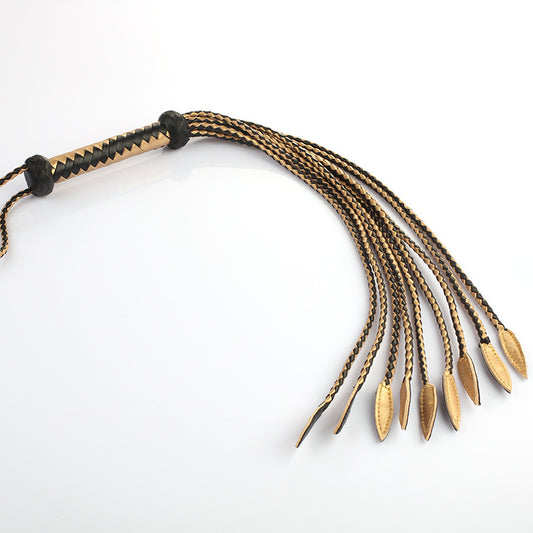
SM Leather Whip Nine-Tailed Flogger
Normaler Preis $35.99Normaler Preis -
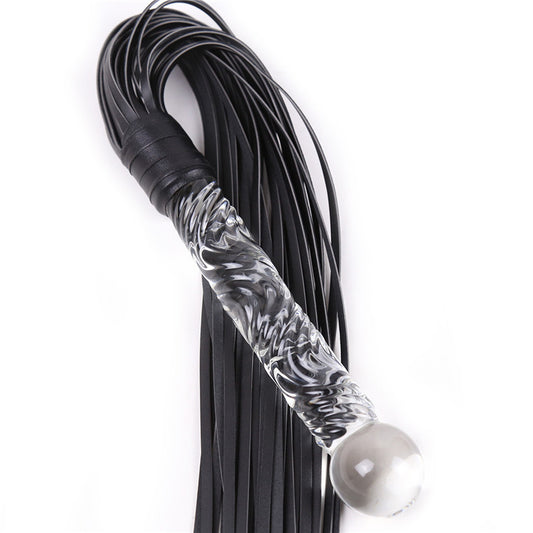
Fetish Leather Whip Flogger with Glass Pleasure Wand with Ball Tip
Normaler Preis $31.99Normaler Preis -
Dildo Flogger SM Whip
Normaler Preis $23.99Normaler Preis -
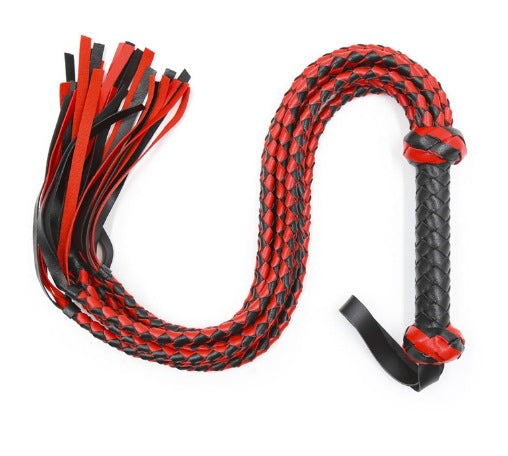
PU Leather SM Flogger Whip
Normaler Preis $21.99Normaler Preis -
SM Real Leather Whip Nine-Tailed Flogger
Normaler Preis $43.99Normaler Preis -
Swashbuckler Rope SM Flogger Whip
Normaler Preis $19.99Normaler Preis -
Crop BDSM Whip Spanking Sex Paddle Slapper
Normaler Preis $19.99Normaler Preis -
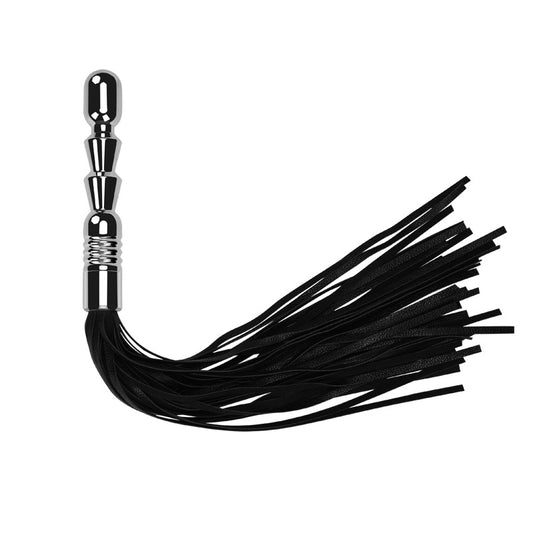
Stainless Steel Anal SM Flogger Whip
Normaler Preis $33.99Normaler Preis -
Gunmetal Chain Flogger SM Whip
Normaler Preis $33.99Normaler Preis -
Glass Dildo Flogger SM Whip
Normaler Preis $35.99Normaler Preis -
Flirtation Leather Whip
Normaler Preis $28.99Normaler Preis -
BDSM Dominatrix Flogger Whip
Normaler Preis $18.99Normaler Preis -
SM Electric Spank Flogger Whip
Normaler Preis $48.99Normaler Preis -
20 Inches Sm Flogger Whip
Normaler Preis $15.99Normaler Preis -
Braided Flogger Paddle Slapper SM Training Whip
Normaler Preis $29.99Normaler Preis -
48CM PU Leather SM Flogger Whip
Normaler Preis $21.99Normaler Preis -
Leather Handle SM Flogger Riding Whip
Normaler Preis $21.99Normaler Preis





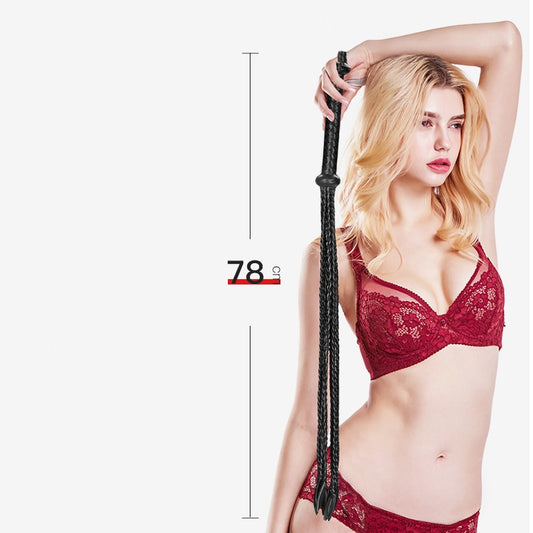

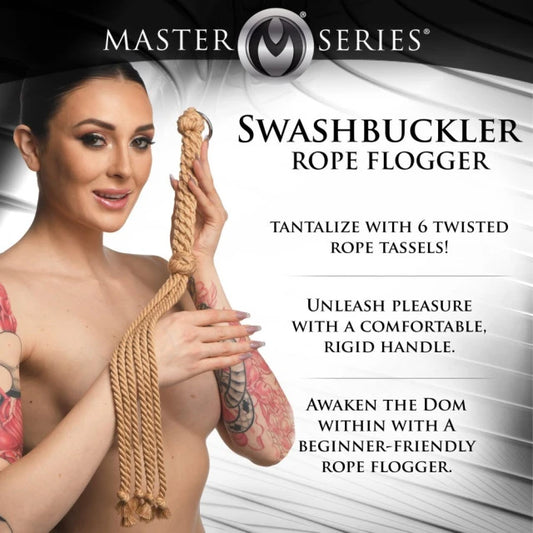


A BDSM whip is not just about intensity. The best option is one you can control safely and consistently. Choosing among whip types, learning their names, and understanding each whip's parts matter as much as technique. Dominatrix whips and pleasure whips serve different purposes, while quality whips balance material, length, and construction. This piece explains how to choose the right tool, establish consent and limits, practice safely, and provide aftercare so each session remains controlled and enjoyable.
Different Types of BDSM Whips Explained
Each tool in this space has its own name. Once you understand what sets them apart, choosing a whip style that suits your practice becomes much simpler.
Whip names: single tails, bullwhips, and snake whips
The word "whip" often serves as shorthand for a broader family of striking instruments. Within that family, a single tail is a whip made from one continuous strap that runs from the handle to the tip. A bullwhip belongs to this category. Its rigid handle is braided directly into the body, which tapers from thick to thin and creates a loud crack when swung correctly. Bullwhips usually start at about 5 feet, or roughly 1.5 meters, because shorter versions lack the momentum needed for a proper crack.
A snake whip stays flexible along its full length and has no rigid handle. Its compact design makes it easy to coil and use in smaller indoor spaces. Beginners can use a 3-foot (90 cm) snake whip to learn simple movements without the whip becoming difficult to control. The stock whip sits further along this family tree. It is lighter than a bullwhip and connects a longer handle to the body with a knotted keeper, which also allows the thong to be replaced when needed. A signal whip has no rigid handle and braids its cracker directly into the thong, so it does not need a separate fall piece. A dog whip remains short and centers on a rigid handle with a fall and cracker. Some makers blur these categories by design. A dualwhip has a removable handle, and the attachment determines whether it performs more like a bullwhip or a snake whip.
How floggers, crops, and paddles differ from whips
Not every striking tool uses a whip's single-tail construction. A flogger belongs to the multi-tailed family, with several straps extending from one handle instead of one continuous strap. This design distributes force over a wider surface area, so each strike usually feels softer than a single-tail hit. That makes floggers a good option for people who are still developing control. Crops and paddles use rigid or semi-rigid striking surfaces instead of a braided, flexible body. Their difference from a true whip comes down to structure as much as sensation.
Parts of a whip and what they do
A bullwhip's parts, and the parts of most single-tail designs, make the tool easier to understand in motion:
- Thong: the braided strips that form the whip's body
- Handle: the rigid section you hold, which is stiffer than the thong
- Fall: the strap between the thong and the cracker, usually easy to replace once worn
- Cracker: twisted wire attached to the fall's end that breaks the sound barrier and creates the snap
- Knob: the ball at the handle's end that acts as a counterweight and control point in your palm
- Lanyard: a braided strap at the handle's end, mainly used to hang the whip for storage
- Keeper: leather loops that connect the handle to the thong on stock whips and allow the thong to be replaced
- Transition knot: a decorative marker where the handle's braid pattern changes into the thong's pattern
Thud and sting: how contact feels different
Single-tail whips focus force into one narrow point. They create a sharp, targeted sting and require precise timing from the user. Multi-tailed tools, including floggers, spread energy across several straps and create a broader, heavier thud instead of a pinpoint sting. Single tails reward accuracy, while multi-tailed whips offer a wider and more forgiving contact area. Keep that distinction in mind as you compare whip types with the sensations you want.
How to Choose a Whip That Fits Your Needs
Picking a whip is not about choosing the longest or flashiest option on the shelf. Decide what you want it to do before comparing products, whether you need a controlled first impact tool, a rhythmic flogger, a compact crop, or a long-range leather whip. Compare options by control, length, material, contact profile, space requirements, and experience level.
Match the tool to your skill level
Beginners should prioritize control over intensity. A short crop or soft flogger usually teaches placement, distance, rhythm, and feedback better than a traditional long whip. Multi-tail leather or suede floggers spread sensation over several straps and support slow, rhythmic practice. Short crops with rigid or semi-rigid shafts also make the contact point easier to predict. Move to a slightly longer tool after your current one feels predictable at low intensity and you understand its reach, return path, and how wrist angle affects placement. A 3-foot snake whip can serve as both a learning tool and a long-term companion for erotic play because it is versatile enough to grow with your practice.
Compare leather, suede, and synthetic materials
Leather, suede, faux leather, rope, silicone, and synthetic crop shafts all move differently. Genuine leather develops character and becomes more flexible with use, but it often needs more maintenance. Synthetic materials stay more consistent and need less upkeep. Suede creates softer contact than smooth, narrow leather, while dense rope adds more moving mass. No material is automatically better. Choose based on your handling priorities, budget, and the maintenance you are willing to take on.
Choose a length that fits your space
Length changes the whole handling system, not only the power behind the tool. A longer whip creates a wider movement arc and gives its flexible body more time to accelerate. That means a product may feel manageable in your hand but still not suit your room. Long braided whips also need clear space along the return path, including room around furniture and beneath low ceilings. Choose the shorter option if you are unsure about your space, since extra reach only helps if you can control the full movement path.
Check grip, balance, and build quality
A whip with solid construction is easier to read, although a higher price does not always mean it is safer. Look for:
- Consistent braiding, properly secured tips, and stable handle connections
- Balanced weight and a grip that is not too heavy or narrow, as either can increase wrist fatigue during longer sessions
Weigh price against care needs and useful features
A synthetic tool in the 20-40 range can work well if you are still learning your priorities. Premium handmade leather becomes more worthwhile once you understand your preferred style. A handmade whip that you manage to keep in good condition can last for years, while mass-produced versions may deform or break sooner. Tailored handmade options for length, color, and braid often cost about the same as premade models from the same maker. They may also include after-sales support and care guidance.
Agree on Consent and Limits Before Use
Before a whip gets near anyone's skin, the conversation beforehand determines whether the session remains safe or becomes a problem. Communication and consent are the foundations of any BDSM practice, and a brief discussion before play prevents more injuries than extensive gear research.
Discuss boundaries and health concerns, including possible marks
Both partners should review a list of activities and mark each one yes, no, or maybe. This gives everyone a clear sense of what is on the table. Hard limits cover anything that must never happen, whatever the mood or level of trust. Soft limits are activities that may be acceptable under certain conditions or after more trust develops. A quick question about how someone feels that day can reveal health concerns before the first strike. Whip play can leave marks or bruises, so discuss which areas can be marked and which cannot. Do not assume your partner has the same tolerance.
Agree on a safeword and a nonverbal stop signal
A safeword should be easy to recall under pressure. It also should not be a word that might come up naturally during a scene, which rules out "stop" or "no" when those words may appear in roleplay. The traffic light system handles this clearly: "yellow" means slow down or check in, while "red" means stop immediately. Both partners should also agree on a nonverbal cue for times when speaking is not possible. Squeezing a hand three times or dropping an object can work, and a hand tap is another option.
Stay sober and make stopping easy for either partner
Consent in whip play remains active and can be withdrawn at any point, not only at the start of a scene. Safewords work only when the person holding the whip and the person receiving it can recognize and act on them. Staying clear-headed matters as much as having the signal. Either partner must be able to pause the action and check in before deciding whether to continue. An agreement made beforehand does not require anyone to finish something that no longer feels right. Treat stopping as a normal part of the process, not a failure. That keeps both people safe once the whip is in hand.
Safer Use Starts With Practice and Clear Checks
Technique separates a controlled strike from an accident, and it begins long before a whip touches skin.
Inspect the tool and clear the surrounding space
Check the tip, braid separation, tail attachment, handle stability, rivets, and wrist strap before every session. Look for surface cracks or sharp edges that could unexpectedly break skin. Clear the room once the tool is safe. A whip is not safe just because it feels manageable in your hand if furniture, walls, or another person falls within its arc.
Practice on a still target before working with a partner
Use a pillow or chair before directing a strike at a person. This helps you develop short, repeatable strokes and understand your accuracy. A practice target shows where the tail lands, how much room the whip requires, and how wrist movement changes its path. Precision must come before intensity. Practice without contact first so you can remove guesswork before working with a partner.
Learn body areas to avoid and the limits of body maps
Buttocks, thighs, shoulders, and the upper back usually tolerate impact better because they have more muscle and fat tissue. The spine, kidneys, liver, neck, joints, and front of the body place organs and nerves close to the surface. A safer zone is not automatically safe in every situation. Watch the recipient’s skin and responses throughout the scene instead of treating a body map as a fixed rule.
Understand wraparound and why long whips require training
Long, flexible whips create a delay between hand movement and where the tip lands. Even a minor change in direction can send the tail somewhere unintended. Slow arcs show the whip’s actual reach and reveal whether the tip drifts or wraps farther than expected. The body can continue moving after your hand changes direction.
Keep contact light and check in without assuming consent
Start with a light flogger, a short distance, and brief strokes. Check in after each hit or after a few strokes early on. Staying close keeps velocity and risk lower than swinging from farther away. Silence or passivity does not mean agreement. Ask rather than assume, and check in between sessions instead of only before one begins.
Stop for lost control, distress, or signs of injury
Numbness, tingling, radiating pain, or loss of control in a limb requires medical attention. Unexpected sharp pain or loss of normal movement means you should stop immediately. Avoid using a whip if alcohol, drugs, or fatigue affect your judgment.
Aftercare, Cleaning, and Future Decisions
Once the whip comes down, care should continue. Aftercare varies from person to person, so ask whether your partner wants quiet closeness or conversation, or whether they need space before discussing the session.
Offer the comfort and space each person requests
Some people want to be held right away. Others need a few minutes alone to process what happened. Offer both options instead of assuming every session calls for the same response.
Recognize when an injury needs medical care
Marks and light bruising are common with whip play. Broken skin, worsening swelling, or pain that lasts longer than a day or two calls for a doctor rather than waiting it out.
Clean and store the whip according to its material
Leather needs a soft brush to remove surface dirt and a leather-specific cleaner. Condition it afterward because dry leather absorbs more product than newer hides. Blot wet leather with paper towels and let it air dry. Never use heat or direct sunlight. Hang it in a breathable cloth bag and keep it in a cool, dry place. Never store it in plastic. Suede only tolerates suede-safe cleaners and light brushing. Synthetic whips usually require less upkeep.
Review the experience before deciding whether to repeat it
Discuss what worked and what did not. Adjust limits before your next session if needed.
Conclusion
Choosing a whip often ends up being about matching the tool, material, and length to your actual skill level, rather than trying to adapt your skills to the whip.
Safety starts with preparation. Establish clear consent and agreed signals, then practice slowly and thoughtfully before making real contact.
Without doubt, technique and communication matter as much as the whip itself. Even a well-built single tail or flogger cannot make up for guesswork.
Participants should provide aftercare, have honest check-ins, and clean the equipment properly once the scene ends. This approach keeps the experience and the gear in good condition, while helping whip play remain controlled, consensual, and enjoyable for everyone involved.