
-
10 Frequency Urethral Vibrator Catheter Penis Plug
Normaler Preis $44.99Normaler Preis -
Smooth Double Head Multifunctional Urethral Sounding Rod
Normaler Preis Von $18.99Normaler Preis -
Urethral Stimulation Stainless Steel Sounding Toys
Normaler Preis $24.99Normaler Preis -
Extra Long 36cm/14 inches E-stim Eletric Urethral Sound
Normaler Preis $31.99Normaler Preis -
Urethral Sound Bead with String
Normaler Preis Von $15.99Normaler Preis -
Hollow Steel Catheter Urethral Sound
Normaler Preis $23.99Normaler Preis -
Liquid Paraffin Lamp Oil for Urethral Sounding
Normaler Preis $15.99Normaler Preis -
Stainless Steel Urethral Plug Expansion Masturbation Props
Normaler Preis $17.99Normaler Preis -
Urethral Sound Rob Urethra Toy
Normaler Preis $21.99Normaler Preis -
Adjustable Metal Dilator Urethral Rod Male SM Masturbation
Normaler Preis $27.99Normaler Preis -
Hollow Men's Sounding Rod Urethral Dilator
Normaler Preis $13.99Normaler Preis -
Training Wand Urethral Sound Beads
Normaler Preis $22.99Normaler Preis -
Male Urethral Beads Sound Stainless Steel Urethral Plug 4mm-12mm
Normaler Preis $21.99Normaler Preis -
Urethral Sound Rod With Cock Ring
Normaler Preis $19.99Normaler Preis -
Hollow Stainless Urethral Dilator Penis Plug
Normaler Preis $17.99Normaler Preis -
Silicone Beaded Urethral Sound
Normaler Preis $19.99Normaler Preis -
33cm/13 inches Long Pistol Shape Urethral Sound Rob
Normaler Preis $18.99Normaler Preis -
Hollow Sounding Rod Urethral Sex Toy
Normaler Preis Von $13.99Normaler Preis -
Zeus Vigor Corona Electro Urethral Sound Insert Penis Plug
Normaler Preis $46.99Normaler Preis -
16 Modes Vibrating E-stim Urethral Sounds USB Rechargeable
Normaler Preis $48.99Normaler Preis

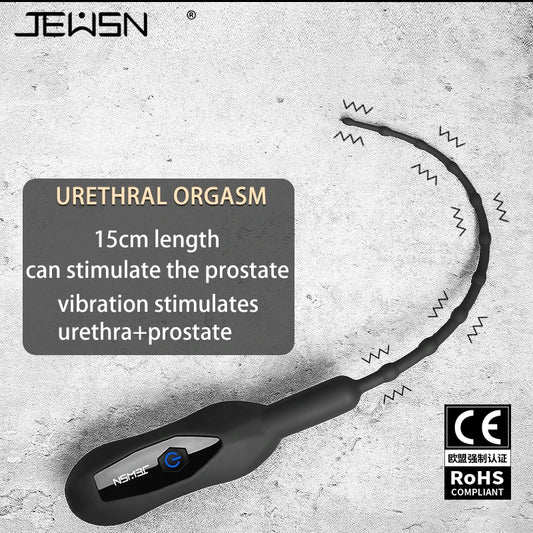

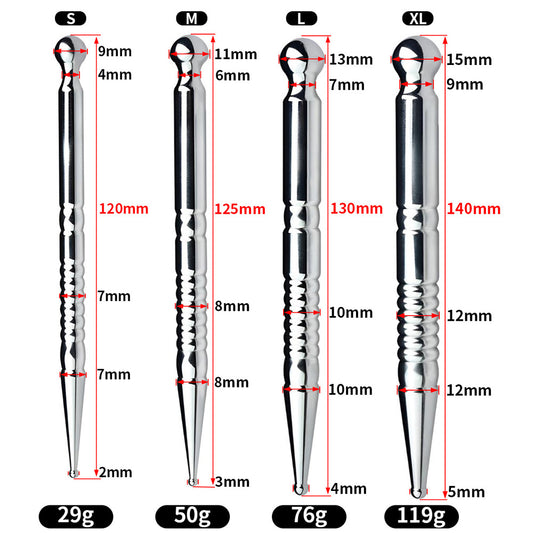

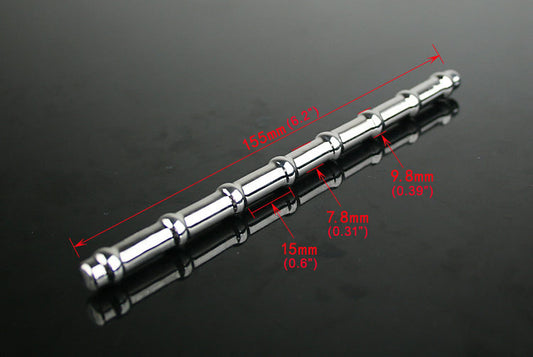

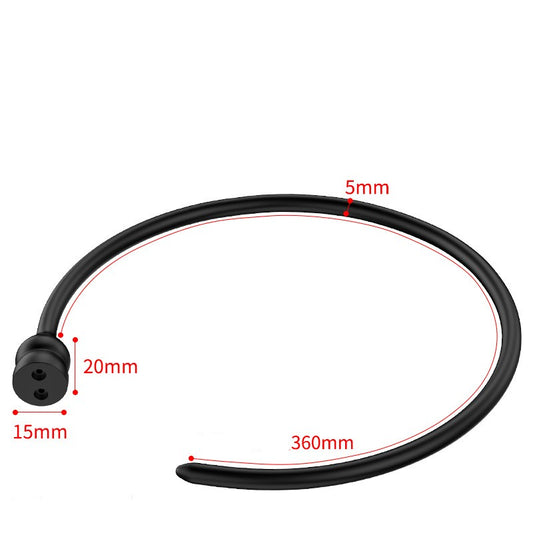














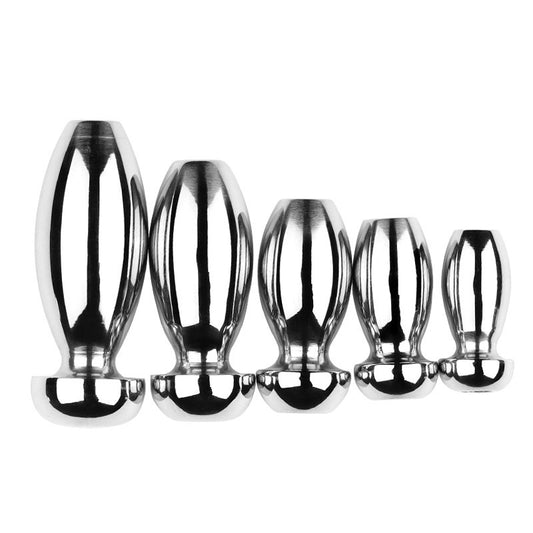

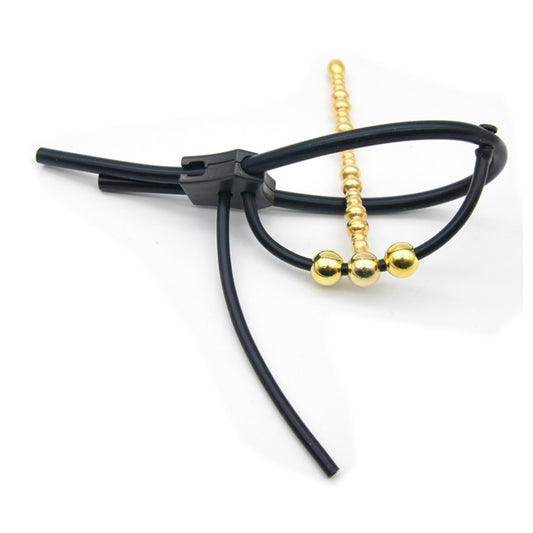

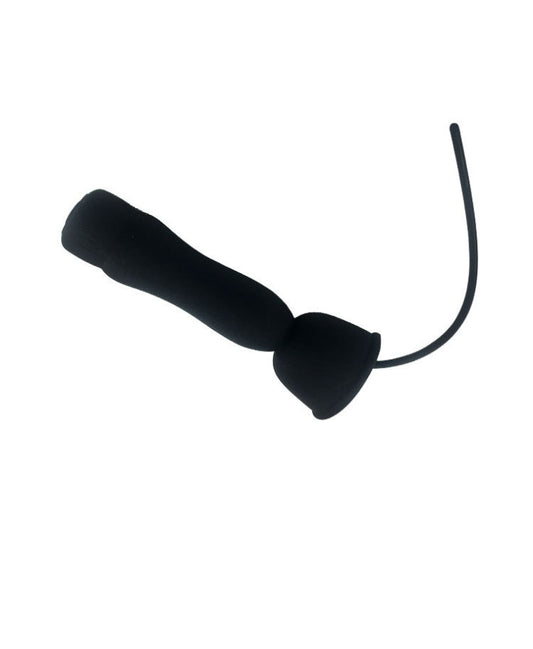
Urethral sounding may be an unfamiliar practice to many, but one study found that about 10% of surveyed men participated in it. This intimate activity carries most important risks when done improperly. Is sounding safe, and what is urethral sounding exactly? These are questions worth asking, given that inserting objects into your urethra increases risks for infection and injury. You need to understand urethral sounding risks and side effects before attempting this practice. This piece covers everything in safe techniques, choosing proper instruments, and when urethral sounding becomes dangerous. We also discuss how to minimize potential risks. Whether you're curious about what sounding feels like or does urethral sounding hurt, we'll address your concerns with evidence-based information.
What Is Urethral Sounding and How Does It Work
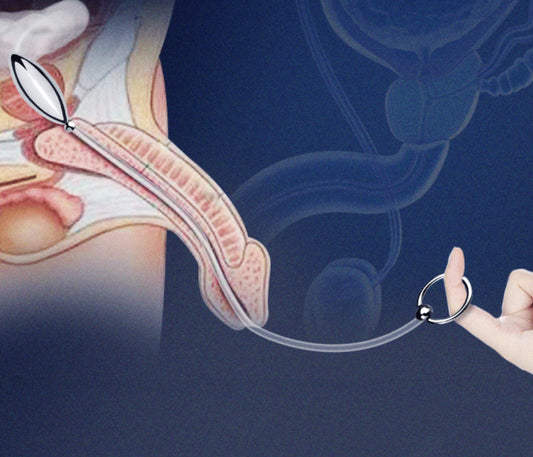
Urethral sounding involves inserting smooth objects into the urethra. These objects are metal or silicone rods called sounds. The urethra is the tube that carries urine from your bladder out of your body. This practice exists in two distinct forms with very different purposes and safety protocols.
Medical vs. recreational urethral sounding
Medical professionals use urethral sounds to treat specific health conditions. Urologists insert sterile instruments to widen narrowed areas caused by urethral strictures and remove blockages. They also check for obstructions or provide access during surgical procedures. These medical sounds are stainless steel instruments that gradually increase in size. Doctors can safely stretch the urethral wall this way. The procedure happens in a controlled clinical environment with proper sterilization and expertise.
Recreational urethral sounding involves inserting objects for sexual gratification. Some call it cock-stuffing or urethral play. People use sounds made from glass, metal, or silicone designed for this purpose. This form of sounding carries higher risks because it lacks medical supervision and the stringent safety measures present in clinical settings.
What does sounding feel like
The sensation varies by a lot between individuals. Some describe it as a deep, internal pleasure with fullness and pressure. Others mention electric tingling that stimulates areas near the prostate and pelvic floor. The urethra passes through highly sensitive regions that include the penis head, clitoris, and G-spot. Direct nerve stimulation becomes possible.
The urethra runs through the prostate gland in people with penises. Deep insertion can create pressure-based stimulation. Others compare the feeling to urethral rubbing during urination. Pressure builds and releases when the sound is removed. The psychological element matters too. Some practitioners find excitement in the vulnerability and exploration. The taboo nature of the act adds to the appeal.
Does urethral sounding hurt
Pain depends on your technique, preparation, and body. First-time practitioners often experience discomfort because the urethra expands to accept objects for the first time. Your urethra expels fluids outward rather than accepting items inward. This makes the sensation uncomfortable at first.
Proper preparation minimizes pain. Sterile tools and ample lubrication help. Relaxation techniques and starting gradually reduce discomfort. Some people feel sharp pain while others report deeper pleasure with gentle insertion. Severe pain signals you should stop right away.
Why people practice urethral play
People explore sounding for various reasons. The practice offers unique internal sensations impossible to achieve through external stimulation alone. Some seek stronger orgasms while others value the intimacy and trust required with partners. The novelty and risk appeal to sexually curious individuals who seek new experiences.
Understanding Urethral Sounding Risks and Side Effects
The urethra is a small opening vulnerable to multiple complications when objects are inserted improperly.
Infection risks and UTIs
Bacteria introduced on sounds can cause urinary tract infections, bladder infections, or prostatitis. Research shows men practicing sounding face increased odds of reporting STIs. One study found a 4% STI rate among practitioners, with five reporting UTIs and four experiencing urethral irritation. Multivariate analysis revealed that sounding increased the odds of having either an STI or UTI/prostatitis history by 70%. Men who participated in sounding showed higher prevalence of risky sexual behaviors including multiple partners and encounters with unfamiliar partners.
Urethral tissue damage and injury
Quick movements damage your internal structure and cause urethral strictures, which narrow the passage and make urination difficult. Repeated trauma guides progressive narrowing over time. Possible complications include false passages (holes tunneling out of the urethra), perforations, and urethral diverticula. Most medical literature on sounding derives from case reports of individuals experiencing harm.
Trauma and bleeding complications
Blood at the penis tip serves as the most common warning sign for males. Trauma allows urine to leak into surrounding tissues and causes swelling, inflammation, infection, and pain. You may notice hematuria (blood in urine), difficulty starting your stream, or a sensation that something remains stuck. Nerve damage and complete urine flow blockage represent serious trauma outcomes.
Long-term urethral sounding side effects
Chronic issues can require long-term antibiotics. Repeated trauma causes urethral narrowing and guides weak streams, straining during urination, leaking, and incontinence. Strictures act like kinks in a hose and block productive flow. Scarring after urethral repair occurs and blocks urine flow in part.
When urethral sounding becomes dangerous
Seek immediate emergency care if objects become stuck. Warning signs include persistent burning when urinating, blood in urine, sudden difficulty starting flow, fever, or deep pelvic pain. Serious complications like urosepsis, tissue death (penile necrosis), and abscesses require urgent intervention. Pain ignored due to embarrassment can prove fatal.
Choosing Safe Urethral Sounding Instruments
The right instruments make the difference between safe urethral play and a dangerous situation. Never use household items or improvised objects.
Sounding rod types and materials
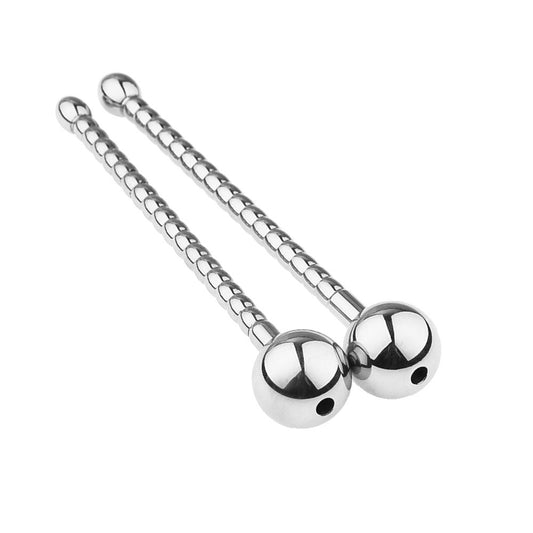
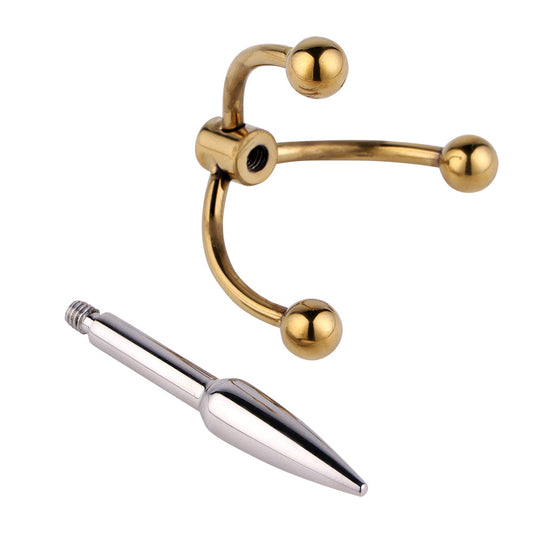
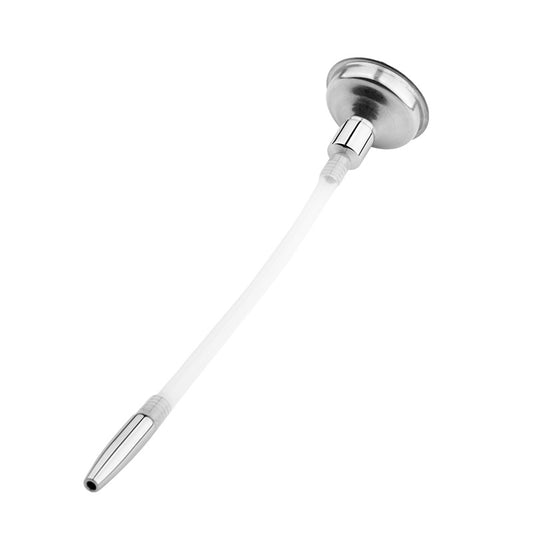
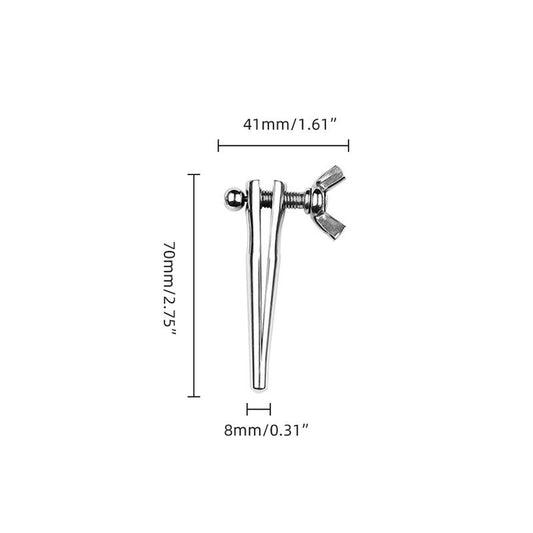
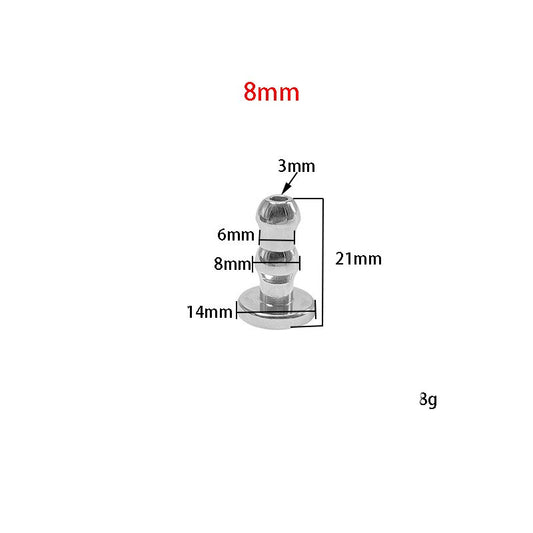
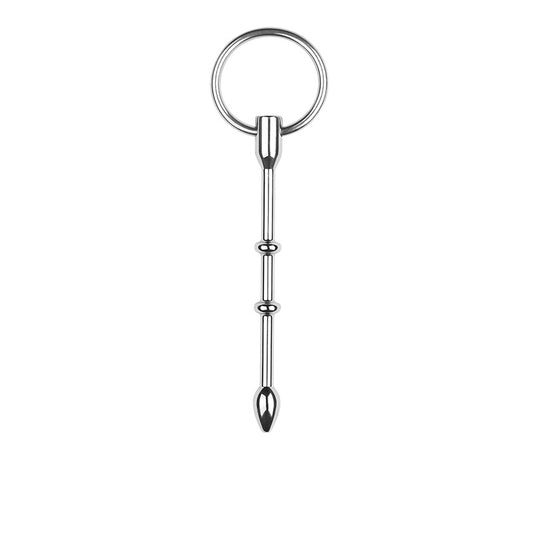
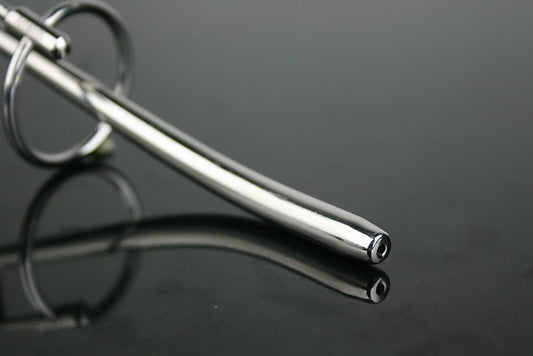
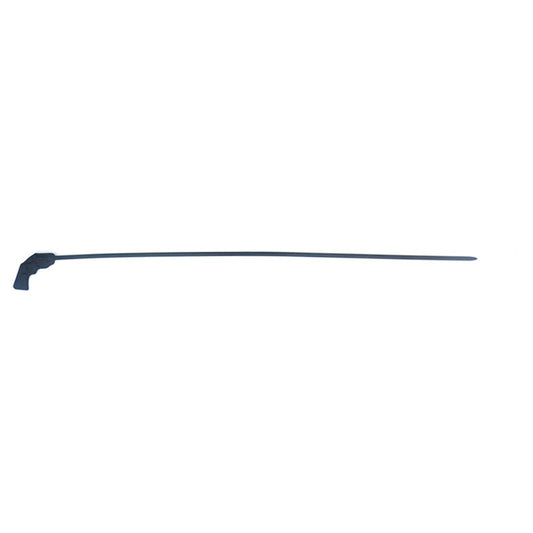
Three instrument categories exist. Plugs insert only an inch or so into your urethra and may feature balls or hoops around them. Sounders are long, thin, cylinder-shaped tools designed for deeper insertion. Catheters are medical devices engineered to reach your bladder.
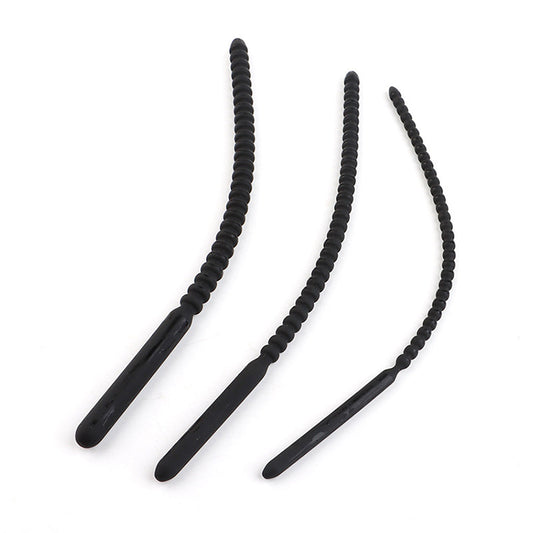
Most instruments use surgical-grade stainless steel, titanium, silicone, or plastic. Steel provides the safest option because it's smooth and sterilizable. Titanium sounders slide in easily due to their weight but lack flexibility. Silicone offers flexibility and softness, yet creates more friction during insertion. Glass sounds also exist but require careful handling.
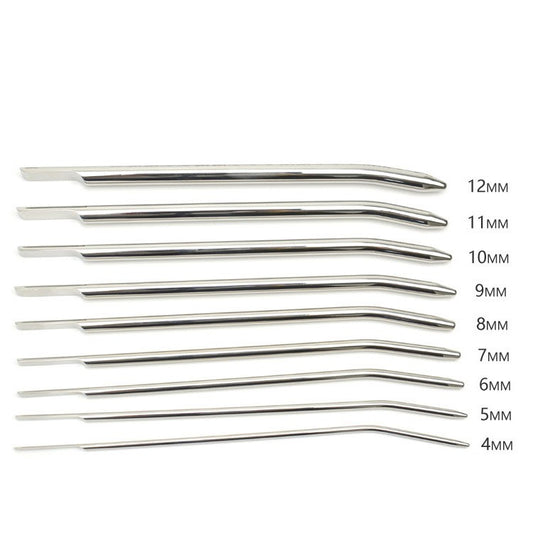
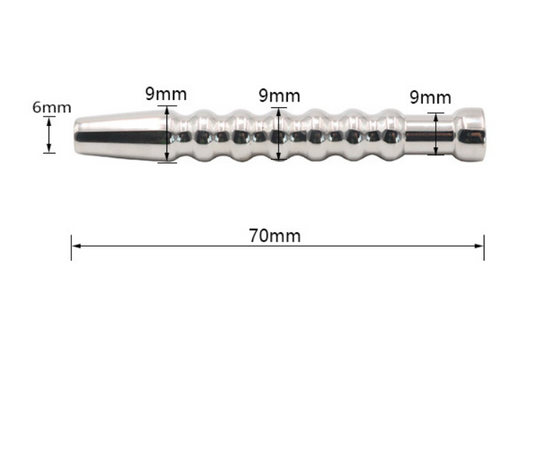
Sounders range from half an inch to over a foot in length, with 3 to 6 inches being most common. Textures vary from smooth to ribbed or studded, with some featuring wavy or ridged patterns. Some feature through-holes that allow urination or ejaculation during use.
Urethral plug vs. sounding stick differences
Plugs are shorter sex toys designed for beginners and shallow stimulation. They often include glans rings that secure them in place. Sounders are longer medical instruments adapted for recreational use and reach deeper into the urethra and potentially the prostate or bladder. Sounders suit experienced users, while plugs work better for those new to urethral play.
Proper sizing for urethral sounds
Start with 9 to 15 Fr (around 3 to 5 mm) diameter. Do not start with the thinnest rod in any set. Too-thin sounds can puncture urethral walls instead of following the natural pathway. Slightly thicker rods glide along the canal more safely. Most men should begin with the second or third smallest diameter available.
Sterile equipment requirements
Metal and glass sounds need sterilization by boiling them for 10 minutes before each session. Wash silicone with antibacterial soap and warm water. Clean your hands and genital area with unscented soap. Wipe instruments with alcohol swabs after boiling. Every sound must have a flared base or wide stopper that prevents it from slipping inside your body completely.
Safe Urethral Sounding Techniques: Complete Step-by-Step Process
Proper procedures reduce harm and infection risk when you practice urethral play.
Pre-sounding preparation and sterilization
Urinate before you begin your session. Antibacterial soap should be used to wash your hands really well. Mild, unscented soap and warm water will clean your genital area. A sterile wipe cleans the entire sound surface and your urethral opening. Check your sound for cracks, rough spots or damage before each use.
Proper insertion technique with a sounding rod
Find a comfortable position whether sitting, standing or lying down. Pull back your foreskin. Hold your penis steady with one hand while you guide the sound with your dominant hand. Your penis should be straight but not stretched. Gravity and the sound's weight should pull it into your urethra rather than you pushing. Your body needs time to acclimatize, which can take seconds or minutes. The angle of your penis may need adjustment if the sound stops moving. Sharp or localized pain means you should stop right away.
Using lubricant correctly
Sterile, water-based lubricant goes on both the sound surface and your urethral opening. A single session needs 2 to 3 mL, while longer play may need up to 5 mL. Reapply whenever friction returns.
Manual stimulation during sounding
Once inserted, move the sound gently in different directions to stimulate nerve endings. Try pulling it slowly in and out. You or a partner can hum at the end of the device to create vibrations. Vigorous stroking should be avoided and never ejaculate while the sound is in use.
Safe removal and cleanup procedures
Remove the sound gently and slowly. More lubricant near your urethral opening helps if removal feels painful. Urinate right after to flush bacteria and lubricant from your urethra. Your hands, genital area and the sound need thorough washing.
Post-sounding care and what to expect
Mild burning during urination is normal and can last hours or days. Blood beyond a tiny pink tinge, persistent pain past 24 hours, fever or lower back pain require medical attention.
Conclusion
Urethral sounding carries serious risks, but understanding proper techniques and safety measures reduces complications. Use sterile equipment and start with appropriate sizing. Apply plenty of lubrication and listen to your body's signals. Stop right away if you experience sharp pain or bleeding. Seek medical attention when complications arise. Your safety matters more than embarrassment. Take your time and never rush the process. Note that gradual progression prevents most injuries associated with this intimate practice.