
-
-
Realistic Tentacle Dual-Wrap Large Butt Plug
Regular price $69.99Regular price$87.00Sale price $69.99Sale -
Silicone Large Butt Plugs
Regular price From $25.99Regular price$25.99Sale price From $25.99 -
TPE Transparent Huge Butt Anal Plug
Regular price $18.99Regular price$27.00Sale price $18.99Sale -
Extra Large Butt Plugs Huge Beaded Anal Plug
Regular price From $32.99Regular price$39.00Sale price From $32.99Sale -
TPE Huge Butt Plug Pist Anal Plug
Regular price From $19.99Regular price$40.00Sale price From $19.99Sale -
-
6.89" Large Butt Plug Big Buttplug Anal Toys
Regular price From $28.99Regular price$28.99Sale price From $28.99

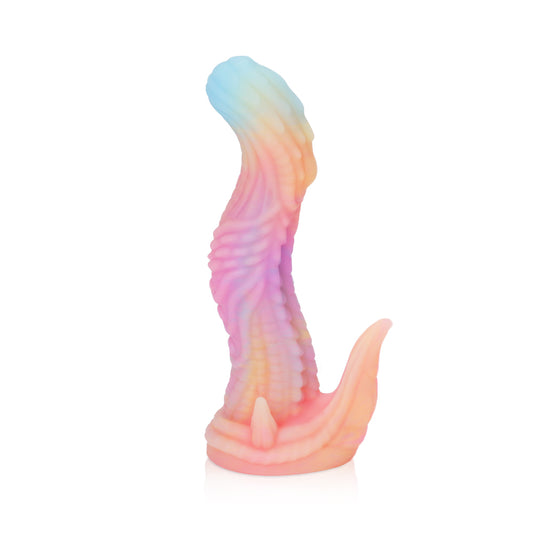

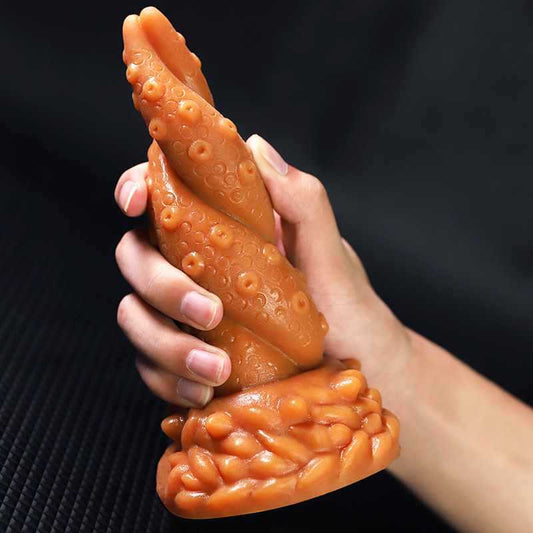

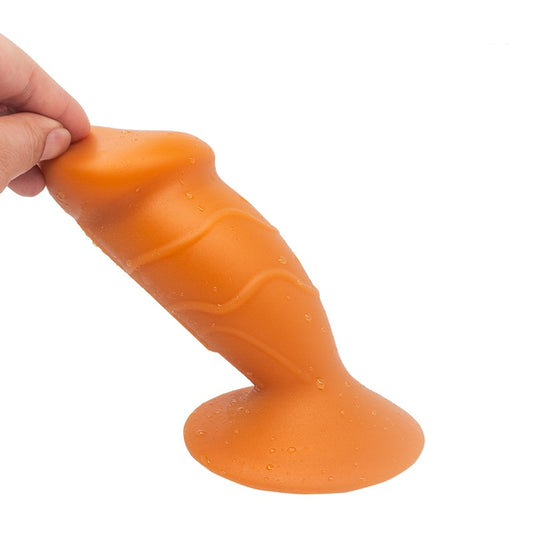

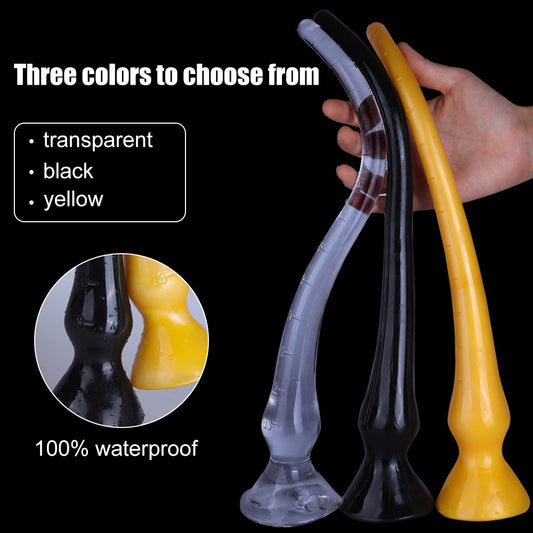



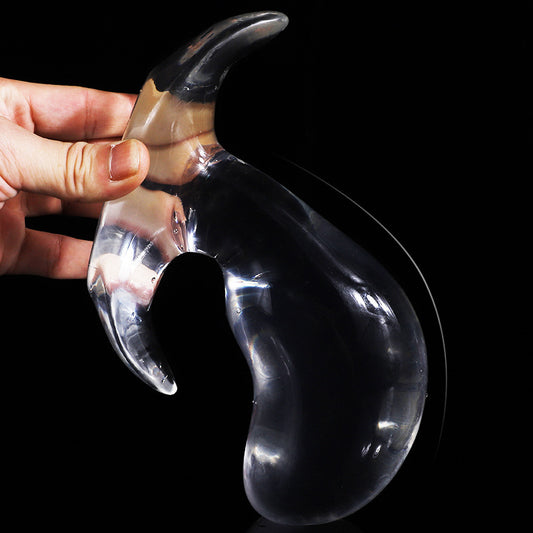


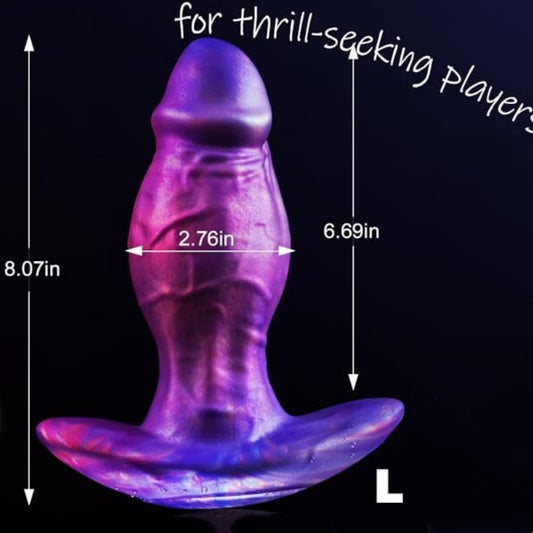
A large butt plug can deliver intense, satisfying sensations, but size alone does not ensure a safe experience. Anyone learning to use a big butt plug for the first time or moving up from medium butt plugs should understand anal plugs' design, materials, and proper use instead of focusing on their dimensions. Beginners often benefit when they start with smaller sizes and work up to large anal plugs. This piece explains how to choose safer options, prepare properly, and identify warning signs, so you can use butt plugs for men or any anal toy comfortably and without injury.
What Makes a Large Butt Plug Riskier?
Not every butt plug labeled "large" will feel the same in your body. That difference between the label and your actual experience is where many injuries begin.
Why small, medium, and large labels can mislead
Manufacturers do not follow one standard for anal plug sizes, so a "large" plug from one brand may be close to another brand's "medium." A typical graduated training set makes this clear. Small plugs measure about 2.1 cm in diameter with a 6.6 cm circumference. Medium plugs reach 2.4 cm in diameter and 7.5 cm in circumference, while large plugs measure 3.1 cm in diameter with a 9.7 cm circumference. Extra-large plugs can reach 4.0 cm in diameter and 12.6 cm in circumference.
Other sellers use different categories. Some list beginner plugs at roughly 1 to 1.25 inches in diameter, intermediate plugs at 1.25 to 1.75 inches, and advanced plugs at 1.75 inches or more. A more detailed guide considers both diameter and neck width. Beginner plugs usually stay within 2.5 to 3 cm in diameter and have a 1.5 to 2 cm neck. Intermediate plugs range from 3 to 4 cm in diameter with a 2 to 2.5 cm neck, while advanced plugs reach 4 to 5 cm or more in diameter and have necks from 2.5 to 3.5 cm wide.
Length tells you little about comfort or injury risk. Your body must accommodate the diameter and neck width. Exact measurements matter more than a size label when buying butt plug products online.
How pressure and friction can injure tissue
A large butt plug requires more from the external and internal sphincters than a smaller one. Research on anal anatomy places the external sphincter's maximum comfortable insertion at about 2 to 2.5 cm in diameter. The internal sphincter can hold a neck around 1.5 to 2 cm wide over time.
Pain is your body's direct signal that something is wrong. Insertion pain often comes from a plug that is too large, too little lubricant, tense anal muscles, or an existing condition such as hemorrhoids. Friction makes the risk worse. Inserting anal plugs without lubricant can create enough resistance to tear delicate tissue, especially if the plug exceeds your current comfort level. Oversized insertion may also cause micro-tears in sensitive tissue, which creates a health concern beyond the discomfort itself.
Why beginners should not start with a big butt plug
New users should start small, even if they feel confident. Medical guidance is clear: first-time users should choose a small plug and increase sizes gradually because inserting something too large can cause pain and tearing.
Moving straight from a beginner size to an advanced large anal plug is a common cause of injury. Feeling comfortable with a small plug does not mean your sphincters are ready for a larger one. Each size usually requires about 2 to 4 weeks of regular use before you move up.
Rushing often leads to two problems: a toy that is too large and too little lubricant. That combination often makes anal play painful. Anal training works best if you increase size slowly instead of reaching for the biggest best butt plugs available right away. Taking time with sizing protects sensitive tissue now and can make larger plugs more enjoyable later, after your body has adjusted.
How to Choose a Safer Anal Plug
A safer plug choice begins before insertion, at the time you compare product-page specifications instead of relying on a size label.
Compare diameter, circumference, and insertable length
Diameter controls stretch and fullness, while insertable length affects depth and where the plug makes internal contact. Focus on diameter first when you compare two options. A change from a 1.5-inch plug to a 2-inch plug may seem small on paper, but even an extra quarter inch in diameter can create a noticeable increase in intensity. A general size chart provides a useful starting point: beginner plugs usually measure 0.75 to 1.0 inch in diameter with 2 to 3.5 inches of insertable length. Intermediate options range from 1.0 to 1.5 inches in diameter and 3 to 4.5 inches long. Advanced, large, huge, and monster categories start at 1.5 inches and can exceed 3 inches in diameter, with lengths ranging from 4 inches to more than 6 inches. Circumference also differs widely between products, so check the listed measurement instead of relying on a category name. Compare the stated diameter with the width of two fingers or a favorite toy to get a more realistic idea of what you are ordering. Product photos can make a toy appear larger or smaller than its actual measurements.
Choose smooth, nonporous materials
Material affects more than feel because it determines whether you can sanitize a toy completely between uses. Nonporous, hypoallergenic options include silicone and stainless steel, along with borosilicate glass or ABS plastic. These materials clean fully and do not harbor bacteria like porous materials can. Avoid rubber, latex, jelly, PVC, cyberskin, and UR3 for anal use. These materials can trap bacteria in microscopic pores and often contain phthalates. A strong chemical odor after opening the package can indicate that the material is not body safe. Choose surgical-grade stainless steel marked 304 or 316L if you prefer metal, or select medical-grade aluminum. Avoid nickel or zinc alloy coatings because repeated cleaning can wear them away. Lubricant compatibility also depends on the material. Metal and glass work with any lubricant, including silicone-based formulas. Silicone toys usually require water-based lube because silicone-based lubricant can degrade the toy's surface over time.
Check the neck and wide flared base
Shape matters as much as size. A well-laid-out plug narrows into a neck after its widest point and before the base. This transition lets the opening close somewhat instead of remaining stretched at its maximum width throughout the session. A comfortable neck can make extended wear much easier, and many buyers overlook this detail. The base must remain wider than the neck and stay fully outside the body. A broad flared disk, T-shaped design, or decorative jewel-style end can work as long as it cannot slip past the sphincter and move inward.
Check inflation limits and release controls on inflatable plugs
Inflatable plugs have mechanical parts, so choose one based on its uninflated size first. That is the size you insert, and it must feel manageable before you add air. The base must remain wider than the insertable body throughout every stage of inflation, not only when deflated. Make sure the release valve opens quickly with one hand. The hose and bulb should remain easy to reach without kinking. Test the full inflation and deflation process outside the body before using the toy internally.
What to Check Before Use
Before you reach for a large butt plug, use this short checklist to avoid an urgent care visit later. These five checks take only a few minutes, and most avoidable problems begin when people skip them.
Wait if you have pain, bleeding, or irritation
A small amount of blood after removing a plug or wiping is not unusual. Small internal tears often heal on their own, and a warm bath can help. Anal fissures may be small but deep enough to cause severe pain and bright red bleeding. They usually heal within a few weeks if you pause anal play and think about using a stool softener. Constant bleeding or pain that occurs at the same time is different from an occasional drop of blood and warrants a doctor's visit. Heavy or prolonged rectal bleeding with abdominal pain after penetration requires emergency care, not a wait-and-see approach. Colon perforation is rare, but it remains a possibility.
Ask a clinician about recent surgery or bowel conditions
Hemorrhoids, anal fissures, and prostate conditions can worsen with anal toy use. Talk with your doctor before inserting anything if you have any of these conditions. Unexplained rectal bleeding or most important anal pain linked to an existing condition also requires medical advice. Recovery after anal or rectal surgery should include less pain within seven to fourteen days. Keep your follow-up appointment about one month after surgery before you resume anal play.
Clean the toy and inspect it to spot damage
Nonporous materials such as silicone, glass, and stainless steel can be sanitized properly. Porous materials retain bacteria regardless of how thoroughly you scrub them. Check the surface before each session for cracks, pitting, or tackiness because damaged material cannot be cleaned safely.
Choose a lubricant that suits the toy and any barriers
Water-based lube works with every toy material, including silicone. Silicone-based lube can degrade silicone toys over time. Oil-based formulas are not safe with latex condoms. Desensitizing products that contain lidocaine or benzocaine mask pain signals instead of preventing injury.
Agree on consent and who controls the toy
Consent applies separately to each activity. Agreeing to use a plug does not mean agreeing to anything else. Decide who will insert and remove the toy, and who controls the pace. Either person can change their mind at any time.
Safety Rules During Use and Removal
Large butt plugs require a change from preparation to immediate awareness. Most avoidable injuries happen at this stage.
Never force insertion or push through pain
Discomfort makes the muscles tighten more, so trying to tolerate it works against you. If more lubricant does not relieve a stinging or deep muscular sensation, return to a smaller size instead of pushing ahead. Serious pain during insertion means you should stop right away because anal penetration should not require you to ignore your body's signals.
Stay alert and avoid numbing products
Numbing creams hide the signals that warn you about friction, pressure, or tearing. Benzocaine-based products cause numbness similar to a dental visit, where you may bite your cheek without noticing. The same disconnect can affect anal tissue, so you may continue after the lubricant has dried out. Numb Cream's label says not to apply it inside the rectum with fingers or a device. It also limits use to one to six times per day and warns that fatal overdoses have occurred when people used numbing medicines without medical guidance. Staying present helps you notice the sting that tells you to pause.
Avoid prolonged wear, sleeping, and activities that add pressure
Most experts and toy makers limit safe wear to about 30 minutes at a time. Longer sessions reduce blood flow to the sphincter and anal walls. The rectum has no pain receptors, so damage can develop before you feel anything. Sleeping with a plug inserted prevents you from noticing bleeding or irritation, which is why experts discourage it even during a short nap. Reapply lubricant about every hour during extended wear. Remove the plug before using the toilet because sitting can push it deeper.
Remove gently without force; fully deflate inflatable plugs first
Remove the plug gradually instead of pulling it out quickly. If you have just climaxed, let your tightened muscles relax before removal. Fully open an inflatable plug's release valve before trying to remove it. Forcing out an inflated toy stretches tissue far beyond what a slower removal after deflation would require.
Aftercare, Warning Signs, and Medical Help
After play ends, both the plug and your body need care.
Clean, dry, and store the toy as directed
Wash nonporous plugs by hand with antibacterial soap and warm water. You can boil silicone or stainless steel versions for up to 10 minutes. Do not submerge vibrating plugs; wipe them clean instead. Dry each item fully before storage because trapped moisture can promote bacteria, whatever the material.
Allow recovery and watch for lasting symptoms
A small amount of blood during plug removal or wiping is common, and minor tears often heal on their own. A warm Epsom salt bath can soothe sore or tense muscles after play. Give your body a few days free of anal play so the tissue can recover properly. Burning or itching, along with stinging or a rash, may indicate an allergy to the toy's material or lube. Mention these symptoms to a doctor.
Seek urgent care for heavy bleeding, severe pain, fever, or faintness
Continuous bleeding and pain with bleeding require medical attention. Worsening pain, swelling, or rectal discharge also need medical care. A blood loss of 15% to 30% can cause dizziness, weakness, nausea, and a racing heart. Greater blood loss may lead to confusion or fainting. Abdominal pain after anal play is rare, but it can indicate a perforation and requires urgent care.
Get medical help for a stuck plug instead of using tools
Do not use tongs, tweezers, or spoons. Nearly 39,000 Americans visited ERs for rectal foreign objects between 2012 and 2021, so you will not be the first.
Conclusion
Size alone does not determine safety. Proper preparation, material choice, and pacing matter just as much, so patience should guide every step of your anal play trip. Check exact measurements and choose nonporous materials. Respect inflation limits and listen to pain signals, as these steps protect your body far better than chasing impressive dimensions.
You should know when to pause, seek medical help, and care for yourself afterward. That awareness keeps exploration enjoyable instead of risky. Build up gradually, communicate clearly about consent, and trust your body’s signals over any size label. This approach allows large butt plugs to provide satisfaction without compromising your safety.