
-
-
-
-
Bullet Vibrator Lipstick Mini Vibrator with 10 Vibration Modes
Regular price $19.99Regular price$25.00Sale price $19.99Sale -
Slim Mini Vibrator with One-Button Control
Regular price $35.99Regular price$45.00Sale price $35.99Sale -


Adjustable Vibrating Nipple Clamps with 10 Modes – Intense Bullet Vibrator Clips for Women & Couples
Regular price $26.99Regular price$31.00Sale price $26.99Sale -
Bullet Vibrator Nipple Clitorals Stimulator 10 Vibration Modes
Regular price $26.99Regular price$31.00Sale price $26.99Sale -
APP Remote Control Bullet Vibrator with 10 Vibration Modes
Regular price $19.99Regular price$25.00Sale price $19.99Sale -
-
Mini Vibrator Wand 9 Vibrating Modes
Regular price $46.99Regular price$59.00Sale price $46.99Sale -
Mini Clitoris & Anal Bullet Vibrator
Regular price $21.99Regular price$25.00Sale price $21.99Sale -
-
App Control Butterfly Clitoral Vibrator Mini Vibrator
Regular price $27.99Regular price$35.00Sale price $27.99Sale -
Lollipop Vibrator Mini Bullet Vibrator
Regular price $44.99Regular price$56.00Sale price $44.99Sale

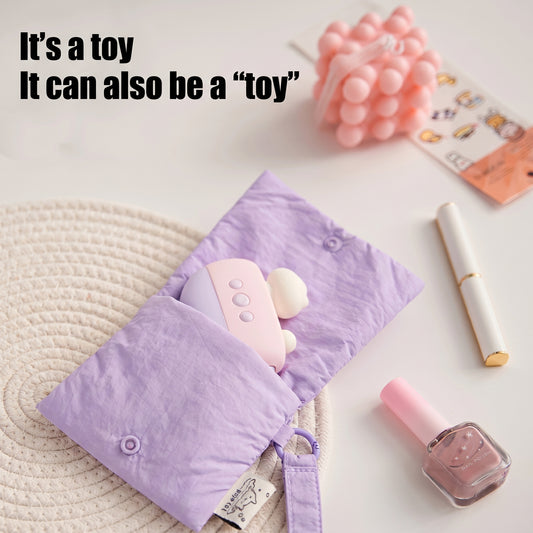

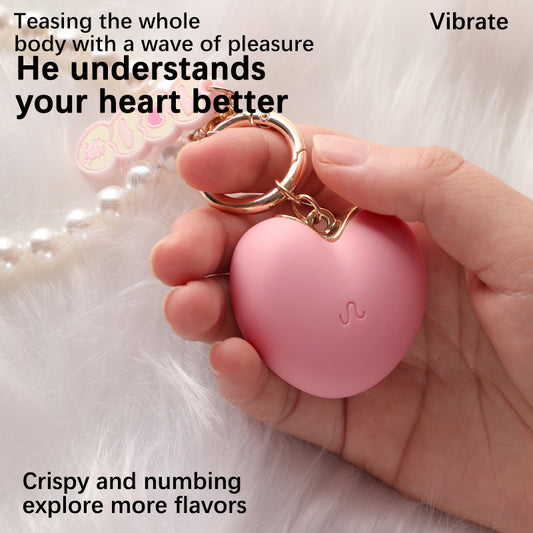

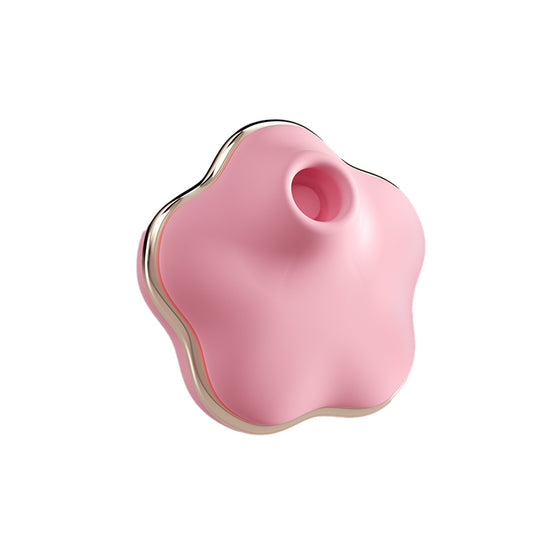

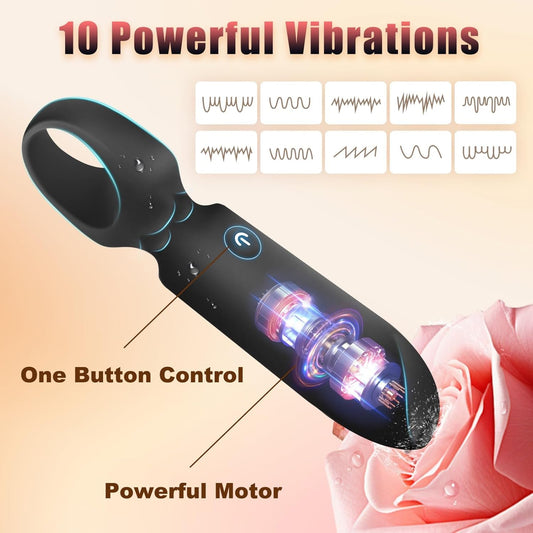

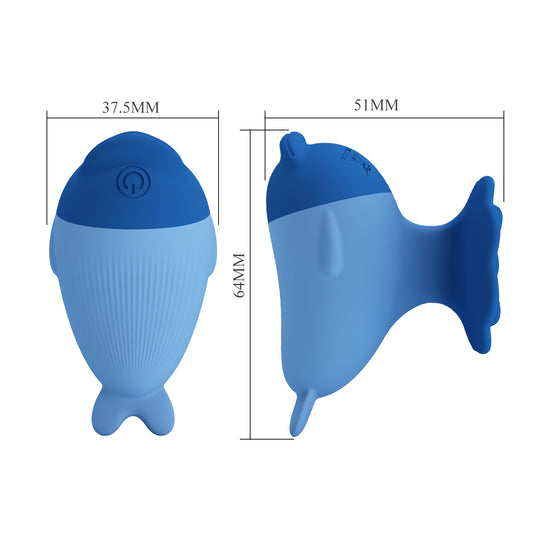


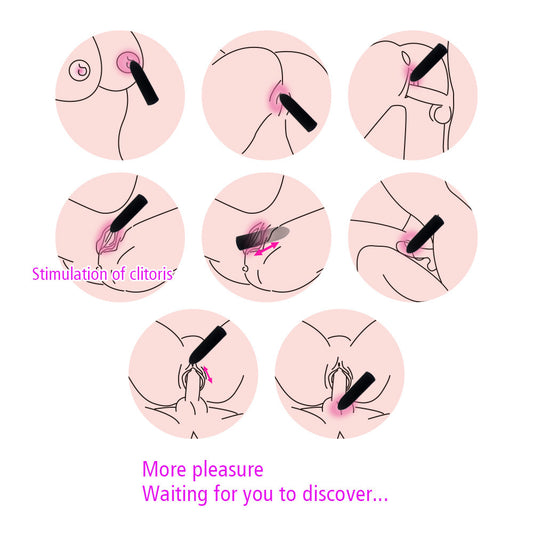

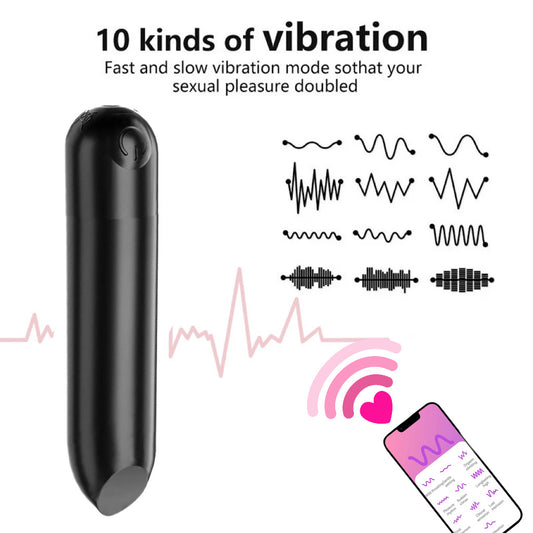


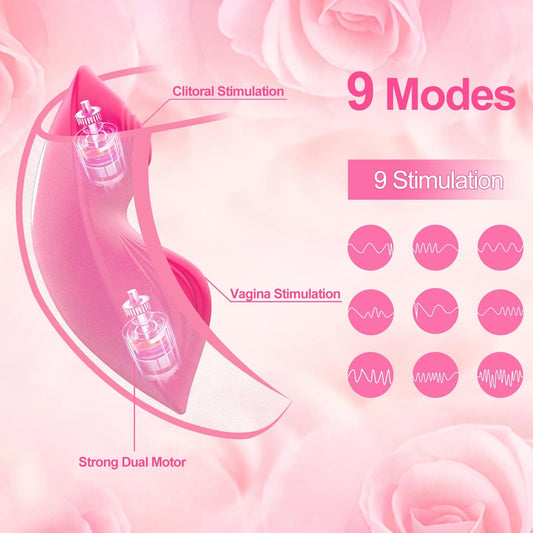

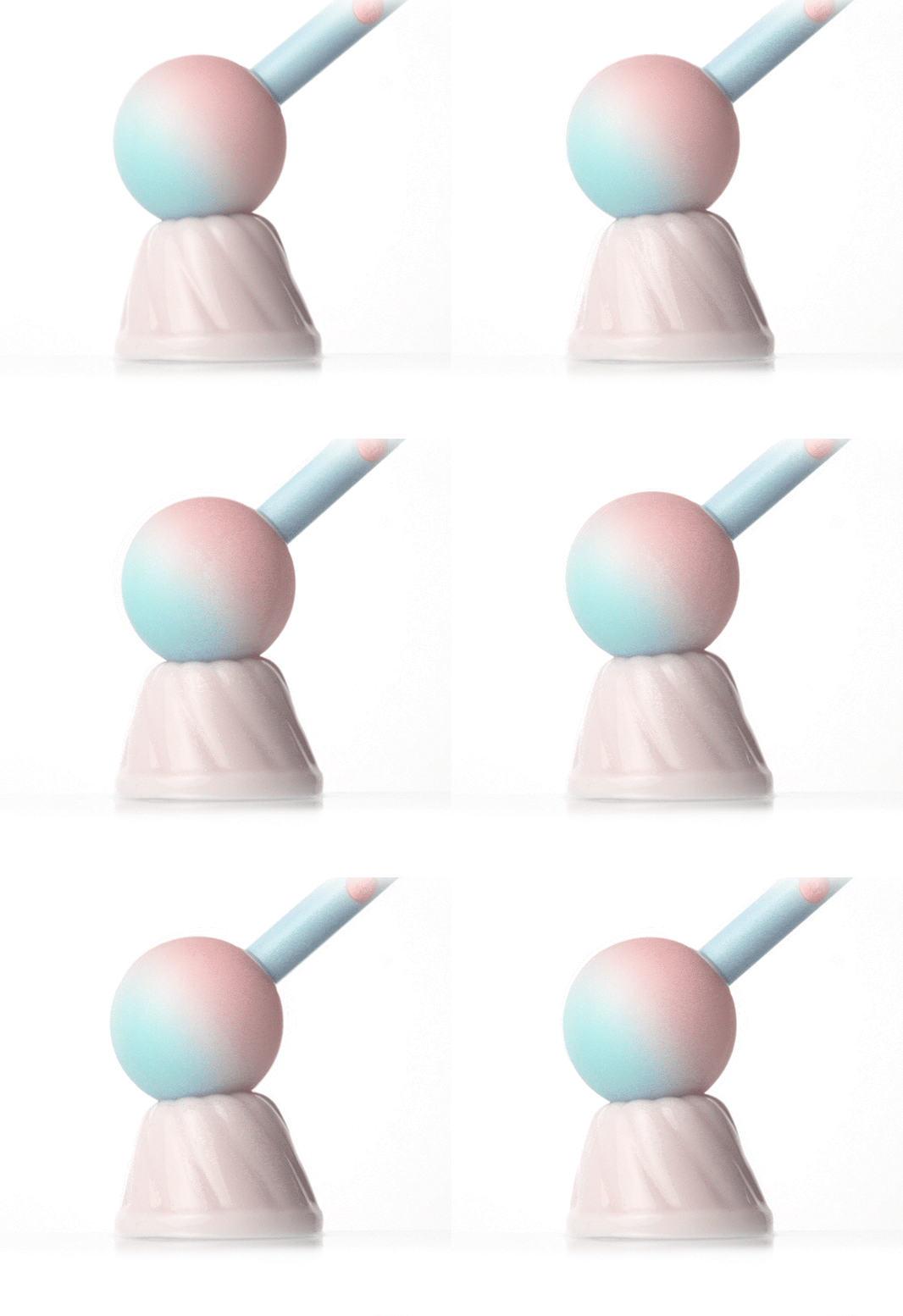
The right small vibe for women offers more than a compact size and focuses on what delivers pleasure. Bullet vibes and mini vibrators can provide surprising power. Many models offer 45 to 180 minutes of runtime and operate quietly at around 30 to 50 dB.
Features such as waterproofing, motor strength, and control options matter more than size alone. This piece explains what separates a reliable female bullet vibrator from one that disappoints, so you can choose with confidence rather than guesswork.
Start with your needs, not the smallest vibe
Pause before you fall for a cute shape or flashy color and ask what your body actually responds to. Preference drives satisfaction more than size because genital nerve placement is different from person to person. What feels electric for one woman may feel like static for another. A smart shortlist starts with three decisions: contact style, hands-on or hands-free use, and how much you want to spend.
Choose focused or broad contact
Vibration usually falls into two camps: pinpoint and diffuse. A bullet vibrator channels its motor through a narrow tip, so the sensation lands exactly where you place it. You can adjust it by millimeters and control the pressure with your hand. Bullet vibes and women's mini bullets are common starting points because they're compact, straightforward, and easy to position during solo or partnered play.
Broader toys, sometimes called palm vibrators, work differently. They spread vibration across more of the vulva rather than focusing it on one spot, which creates a deeper, rumblier feel. Neither option is better for everyone. Some people find pinpoint vibration too sharp and prefer an all-over sensation, while others find broad vibration too vague and want more precision. Think about whether you prefer firm, direct pressure in daily life, like a deep massage, or softer, wider contact if you've never tried a vibe. That instinct usually carries over.
Decide whether you need handheld or hands-free use
Think about how you want to use the toy during actual play rather than only in theory. Handheld bullets and mini vibes give you full control over placement and pressure. They suit people who like to adjust sensation from moment to moment. Wearable designs stay in place while you move. You can tuck one against the clitoris during penetration or wear it under clothing for discreet, remote-controlled stimulation.
Couples-style vibes offer a middle ground. Many sit between bodies and deliver vibration to both partners without requiring anyone to hold them. Ring-style designs sit at the penis's base and share sensation. A wearable or couples-focused design will likely suit you better than a handheld bullet if convenience and uninterrupted contact matter more than controlling every angle.
Set a budget before browsing
Prices in this category follow a pattern, and knowing your range narrows the search fast.
| Budget Range | What You Typically Get |
|---|---|
| $20 to $50 | Fine to satisfy curiosity or test whether vibration works for you at all |
| $50 to $120 | The sweet spot for most first-time buyers who want a genuinely good vibrator |
| $120 to $200 | Premium build, refined motors, app control, or quieter operation |
| Above $200 | Worth it only if you want a specific feature set or brand ecosystem |
Spending more usually buys convenience rather than stronger pleasure: a rechargeable battery instead of disposable ones, waterproofing, quieter motors, and easier cleaning. Mid-range pricing can also provide a steadier motor and better ergonomics, so the toy feels intentional instead of generic. A budget vibe is not a failure if it gets the job done. Cheaper toys with fewer functions and one speed exist because simpler designs cost less to make, and simple can still be satisfying. Set your limit before you compare specs so a flashy feature list does not persuade you to pay for something you'll never use.
Read the motor and control specs that matter
After you settle on a contact style, use case, and budget, the next layer to get into is what happens inside the toy: the motor and the controls that power it. These specs tell you much more about the experience than the outer shell.
Small size does not tell you vibration strength
A tiny motor inside a bullet or mini vibe does not automatically mean weak output. Size limits the magnetic field a motor can generate and, therefore, its force. Most miniature vibration motors run on just 1.5 to 3 volts, and higher currents can cause overheating, so there is little practical use above 24 volts. Manufacturers still create a meaningful range within that narrow voltage window. Some mini motors spin as slowly as 2,800 RPM, or around 47 Hz, while others reach 17,000 RPM, or around 283 Hz. One reviewer put it bluntly after trying a compact pick: "Usually something this small is super weak, this is NOT". Judge a vibe by its spec sheet, not its footprint. Manufacturing tolerance also means two motors from the same batch can differ by more than 6,000 RPM at the same rated voltage, so even similar-looking models may feel slightly different in your hand.
Rumbly and buzzy describe different sensations
Vibration frequency, not just strength, shapes how a toy feels against your body. Lower frequencies create what people commonly call a "rumbly" sensation. It feels fuller and heavier, spreading through tissue rather than sitting on the skin's surface. Higher frequencies produce a "buzzy" sensation that feels brighter and more concentrated at the contact point. Rumbly vibration usually reaches more of the internal clitoral network, while buzzy vibration stays closer to the surface. Neither is inherently better, but it depends on what your nervous system responds to. If you are unsure which you prefer, look for a toy with a median frequency between 60 and 75 Hz. People often describe this range as moderately rumbly, and it is a reasonable starting point for most people. Watch how the motor responds as intensity rises, too. Some stay rumbly through most of their range as power increases, while others become buzzy soon after you move past the lowest setting.
Look for a low starting level and gradual speed changes
You do not need a toy with a dozen patterns to have a good experience. Three to five gradual speed settings are enough if the lowest setting is genuinely gentle. Start at the lowest setting and build up slowly so your body can adjust instead of getting hit with the sensation right away. A sudden jump between levels, such as going from mild straight to maximum with nothing in between, makes it harder to find your sweet spot and can turn pleasure into discomfort fast.
Check whether controls work without a phone
App-connected vibes can add some fun and let a partner adjust settings remotely from across the room. But technical issues, such as a faulty connection or incorrect display reading, can interrupt things at the time you least want them to. Check that the toy has physical buttons that work without the app, so a dead phone battery or glitchy connection never leaves you without control over what matters most.
Check safety and comfort before extra features
Motor power and speed settings only matter when the toy feels safe against your skin and comfortable in your hand. Comfort and safety deserve as much attention as vibration strength because the wrong material or an awkward grip can leave a promising toy unused in a drawer.
Look for clearly named, nonporous materials
Body-safe toys use nonporous materials such as medical-grade silicone, ABS plastic, borosilicate glass, and stainless steel. These materials clean easily and resist bacteria buildup. Porous materials, including TPE, PVC, jelly, and vaguely labeled "rubber," absorb moisture and residue, which makes thorough cleaning harder. Phthalates were once common in softer plastics, and Danish regulators judged them safe for up to one hour of daily use. Pregnant or breastfeeding women received advice to limit exposure to fifteen minutes a week. Choose a listing that names the exact material instead of using vague terms like "silicone feel."
Match tip softness and shape to your comfort needs
Material also affects sensation at the point of contact. Silicone tips feel soft and flexible, while ABS plastic delivers firmer, more intense vibration with no give. Shape matters as well. The average vibrator measures less than 6 inches long and under 4.5 inches in circumference, although sizes range from 2 to 15 inches long and 1.57 to 7.85 inches around. People with genital or pelvic pain may find a below-average length and a smooth, seamless shaft more comfortable.
Check grip size, button reach, and hand vibration
A toy that sends vibration through its handle can be as distracting as one that feels too weak. Testers report that vibration in the grip, instead of at the tip, can make extended use uncomfortable for sensitive hands. Some even wrap the handle in a washcloth to soften the effect. Choose a switch placed high enough to avoid accidental presses during use, along with a handle that you can hold without cramping.
Read water ratings and cleaning instructions
Splashproof toys can handle drips and a quick rinse. Water-resistant toys can tolerate a shower stream, while waterproof or submersible toys can withstand full immersion. IPX7-rated products typically handle up to one meter of water for around 30 minutes. Confirm the exact wording in the listing because "splashproof" and "waterproof" do not mean the same thing. Wash the toy with mild soap and warm water after use. Let it air-dry completely before charging to prevent port damage.
Use only designs intended for the body area you choose
External bullets connected to a remote are not designed for internal use, and loose battery compartments can create additional risk if inserted. Toys intended for anal play need a flared base or string because nothing else stops them from slipping fully inside. Suction toys depend on a sealed nozzle, so household substitutes such as vacuum attachments can cause bruising or injury.
Decide which convenience features earn their cost
Motor strength and material safety matter, but a few convenience features determine whether a small vibe becomes a daily companion or an occasional disappointment. Many of these features raise the price, so it helps to know which ones improve your experience and which ones only sound appealing on the box.
Quiet operation: why testing conditions matter
A decibel rating tells only part of the story. Testing labs measure raw decibels and how audible a toy is behind a closed door. A toy may register as loud on a meter but remain hard to hear when pressed against skin or covered by a fan or music. Sound labels such as Whisper, Purr, Hum, and Buzz explain this range in simple terms. Whisper toys are barely audible, while Thundering models can be heard outside the room whatever the setting. Anything between 40 and 45 dB counts as quiet, and some models reach the 30 dB range.
Battery runtime vs. charging time
Charging time should roughly match the play time you get back. A good small vibe usually charges in 1 to 2 hours and provides 40 to 60 minutes of use. Some luxury options last more than 90 minutes on one charge. Certain We-Vibe models provide two hours of runtime after a 90-minute charge. Watch for uneven ratios, such as a four-hour charge that gives you only an hour of play. That kind of imbalance becomes frustrating on busy days.
Travel locks and easy-to-pack cases
A travel lock prevents the motor from turning on by accident in your bag. Most locks require you to hold the power button for 3 to 6 seconds. Two-button combinations offer extra protection against accidental activation. A compact case also helps, as a snug pouch or clamshell cover protects the toy and prevents awkward surprises in your luggage.
App features, data privacy, and ongoing support
Bluetooth-connected vibes may still send data through a cloud server during local control, so app features involve real privacy tradeoffs. We-Vibe settled a lawsuit for $3.75 million after it sent user data without consent in one prominent case. Use a separate email address, a strong password, and two-factor authentication if you want the social or remote-control features.
Replacement cables, warranty cover, and return limits
Brand-matched chargers can reduce clutter because several product lines use the same magnetic cord across models. Return policies usually cover defective units only. Most retailers will not accept functional toys as returns, and this is standard throughout the industry.
Product life and battery disposal options
Vibrators count as Waste Electrical and Electronic Equipment, so proper e-waste recycling is necessary instead of throwing them away. A well-made rechargeable toy can last several years. Replace it if you notice rust or frayed wiring. Discoloration can also signal that it is time for a replacement. Remove any batteries and disinfect the toy in a 10% bleach solution for 10 minutes before recycling.
Build a shortlist you can trust
A useful shortlist should include genuinely different types of products rather than several models with nearly identical features. Comparing different designs, vibration styles, and control options makes it easier to identify which features matter most to you.
Compare Bullet, Broad-Surface, and App-Controlled Designs
Start by comparing three distinct styles: a compact bullet vibrator, a broader mini vibrator, and an app-controlled model.
Compact bullet vibrators are designed for focused stimulation and are often easy to handle. Some offer a strong, rumbly sensation across multiple intensity levels, while others prioritize a smaller and gentler starting setting.
Broad-surface mini vibrators distribute vibration across a larger contact area. Their stimulation may feel less concentrated than that of a traditional bullet design, making them worth considering if you prefer a wider contact surface and more gradual intensity adjustments.
App-controlled vibrators introduce another level of customization. Depending on the model, you may be able to adjust vibration intensity, select preset patterns, or create personalized settings through a smartphone app.
Compare motor performance, intensity range, vibration patterns, and control options instead of assuming that one design is automatically better than another.
Look Beyond Star Ratings When Reading Reviews
Customer reviews can help you understand how a vibrator performs outside the manufacturer's product description. However, star ratings alone rarely provide enough information to make a confident decision.
Look for verified purchase labels, recent review dates, and detailed descriptions of actual use. Reviews that discuss motor strength, operating noise, battery life, charging performance, and material quality generally provide more useful insights than comments containing only generic praise.
Be cautious of repetitive wording, suspicious review patterns, and feedback that makes broad claims without explaining the user's experience. In the United States, federal regulations prohibit certain fake reviews and deceptive review practices, including specified forms of undisclosed incentivized reviews.
A smaller collection of detailed, credible reviews can be more valuable than hundreds of ratings with little supporting information.
Choose the Model With the Fewest Trade-Offs
No single compact vibrator excels in every category. The best choice depends on which features you value most and which compromises you are willing to accept.
Consider these factors before making your decision:
-
Vibration performance: Decide whether you prefer focused stimulation, broad-surface vibration, or multiple adjustable patterns.
-
Intensity range: Check whether the lowest setting is gentle enough and whether the highest setting meets your preferences.
-
Noise level: Consider operating noise if discretion is important.
-
Battery life: Compare expected runtime with charging time and charging convenience.
-
Material quality: Look for body-safe, non-porous materials and clear product care instructions.
-
Control options: Choose between simple onboard buttons and additional app-based customization.
-
Budget: Consider the overall feature set rather than paying extra for functions you are unlikely to use.
The goal is not to find the model with the longest feature list. It is to find one that matches your preferences without requiring too many compromises.
Conclusion
Choosing a compact vibrator is less about finding the smallest design and more about finding the right combination of comfort, performance, and convenience. Motor strength, vibration patterns, intensity settings, material quality, and battery life all influence the overall experience.
Before purchasing, compare different designs and consider how each one fits your intended use. Give detailed, credible customer feedback more weight than star ratings alone, and pay attention to practical features such as charging time, operating noise, and ease of cleaning.
A well-researched shortlist makes the decision easier. Rather than chasing the most powerful motor or the most advanced features, choose a body-safe option that delivers the sensations, controls, and convenience you actually want.