
-
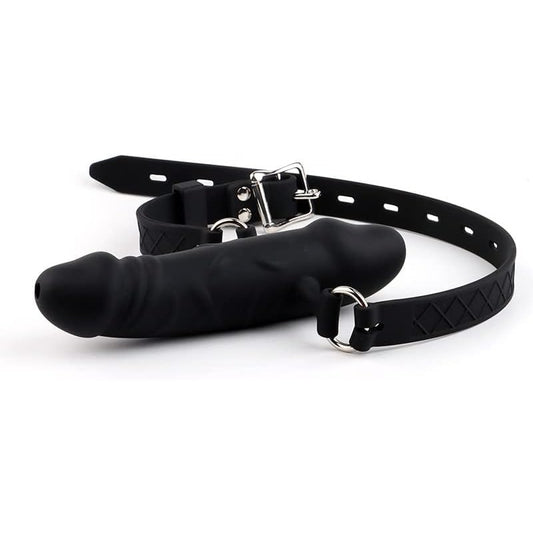
Penis Open Mouth Gag
Normaler Preis $24.99Normaler Preis -
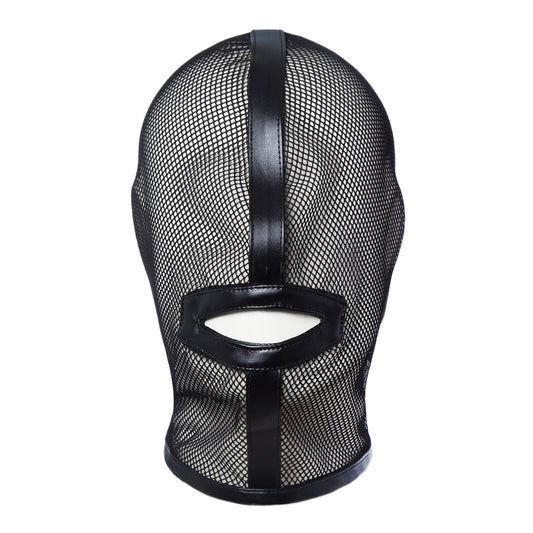
Mesh Full Face Mask With Mouth Hole And Eye Hole
Normaler Preis $21.99Normaler Preis -
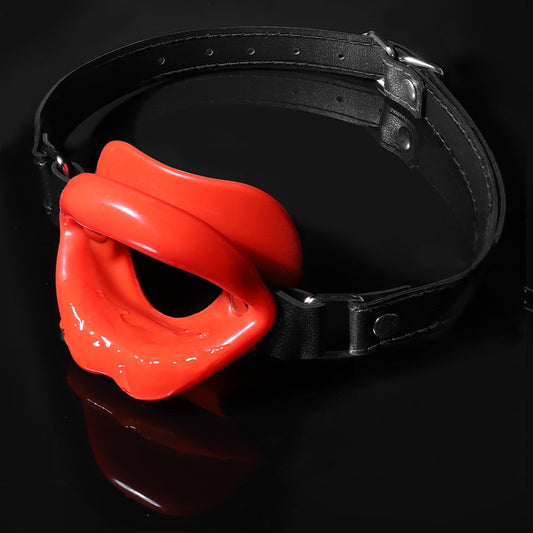
Soft Silicone Open-Mouth Gag with Adjustable Strap
Normaler Preis $18.99Normaler Preis -
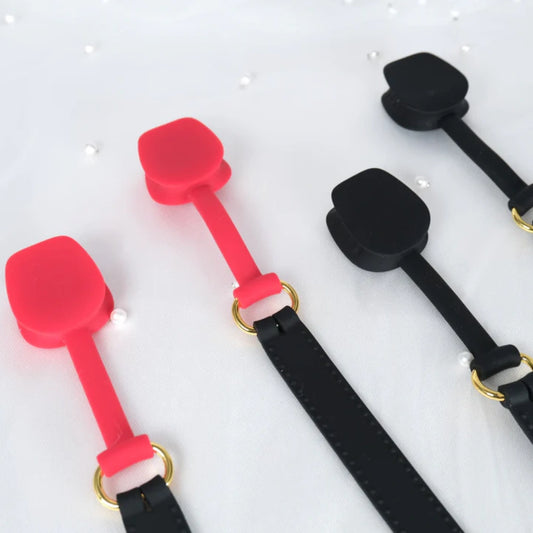
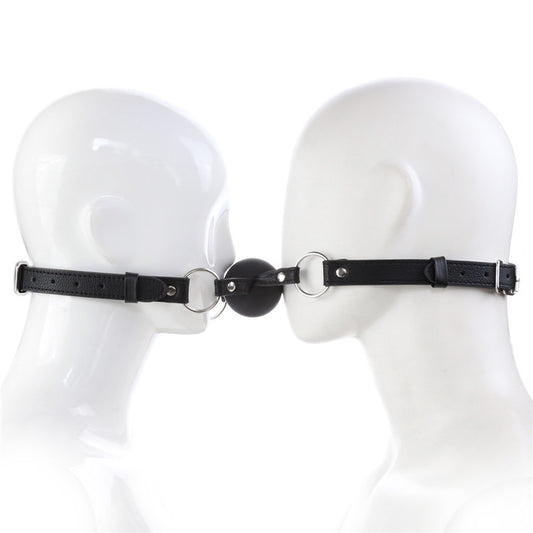
Creative Mouth Play Set: Nipple Clamps & Ball Gags
Normaler Preis $26.99Normaler Preis -
Imitation mouth massager
Normaler Preis $59.99Normaler Preis -
Curved Fishmouth Chastity Cage
Normaler Preis $29.99Normaler Preis -
Pocket Realistic Mouth
Normaler Preis $28.99Normaler Preis -
3in1 Big Mouth Rose Dildo
Normaler Preis $39.99Normaler Preis -
Beast Mouth Fang Nipple Piercing Jewelry Ring
Normaler Preis $9.99Normaler Preis -
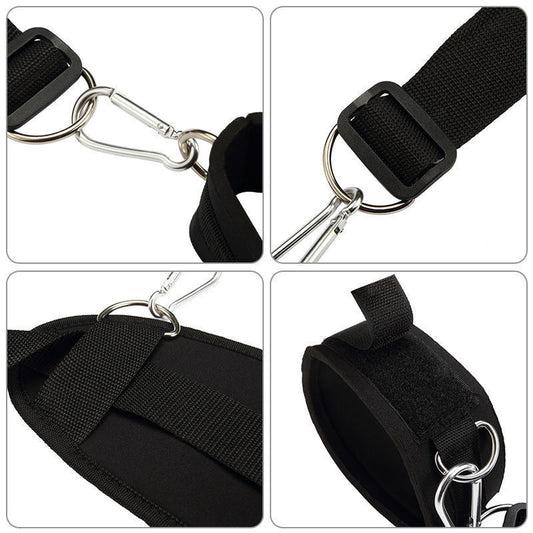
BDSM Restraints Kit Set with Mouth Gag
Normaler Preis $23.99Normaler Preis -
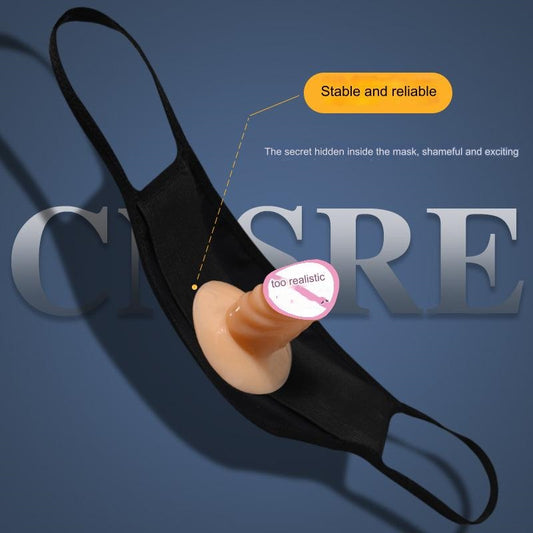
SM Mask Mouth Gag with Dildo
Normaler Preis $11.99Normaler Preis -
BDSM Bondage Kit Sex Enhancer with Mouth Gag & Nipple Clips
Normaler Preis $29.99Normaler Preis -
Doppleganger Silicone Mouth Gag
Normaler Preis $14.99Normaler Preis -
Cock Sucker Mouth Gag
Normaler Preis $12.99Normaler Preis -
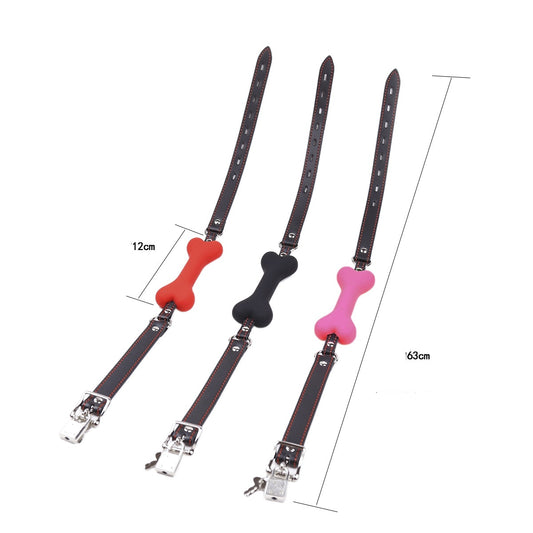
Silicone Bone SM Mouth Gag
Normaler Preis $14.99Normaler Preis -
Backhand BDSM Wrist & Ankle Restraints with Mouth Gag
Normaler Preis $12.99Normaler Preis -
BDSM Mouth Gag With Leash
Normaler Preis $26.99Normaler Preis -
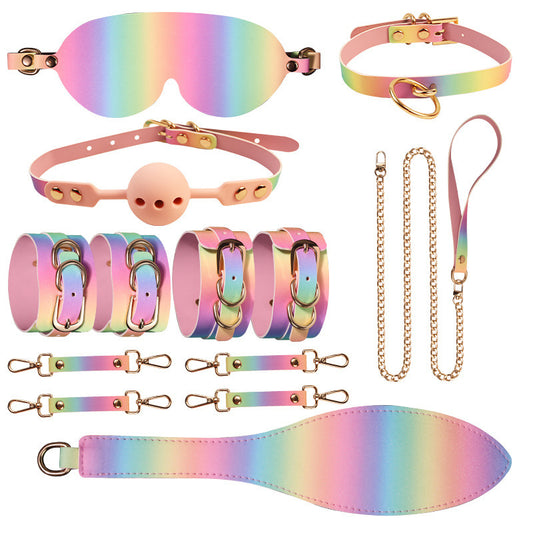
SM Kit Handcuffs Mouth Gag Collar Flogger Blindfold
Normaler Preis $29.99Normaler Preis -
Leather Hollow Mouth Gags
Normaler Preis $14.99Normaler Preis -
Rose Muncher – Mouth Biting & Thrusting Bullet Rose Toy
Normaler Preis $79.99Normaler Preis





















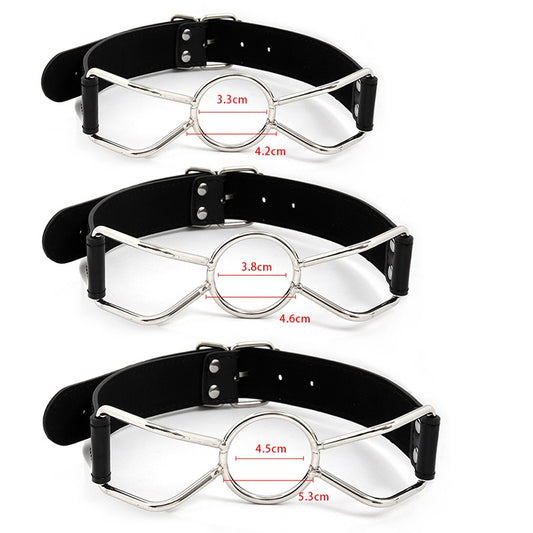

A BDSM muzzle can divide opinion sharply. Among 224 members who rated muzzles on their private checklist, only 26% said yes or loved it, while 54% described it as a hard limit. That difference explains why safety and fit matter before you try one.
This BDSM muzzle piece covers different muzzle types, materials such as leather and silicone, sizing, and comfort. You'll also learn how to wear and clean a BDSM muzzle safely, plus how to recognize signs that BDSM muzzle safety requires you to stop play at once.
What Is a BDSM Muzzle? Types and Uses
Many people group muzzles with gags, head harnesses, and hoods, but each item restrains the body differently. A gag fills or holds the mouth open, while a muzzle covers or encloses the lower face from the outside. A head harness wraps around the head with straps and buckles. Its main purpose is to keep a gag in place instead of framing the jaw itself. The difference between a muzzle and a harness gag can blur because some harnesses include a built-in mouth cover. A muzzle stands apart because of its structure. Rather than relying on one strap, it wraps around the jaw and lower face with several anchor points, so it stays secure during an intense scene.
Several distinct muzzle styles appear within that broader category.
Panel muzzles use a flat or contoured leather panel that rests directly over the mouth. Some have interior padding, while others include perforations for airflow. A panel muzzle can almost completely muffle speech or allow muted sounds through, depending on its design. Check the fit and material before choosing one.
Cage muzzles use the opposite design. Made from mesh or metal bars, they frame the lower face much like a dog muzzle. They allow airflow and some speech while preventing normal mouth use. Cage styles focus more on appearance and posture than complete silence, so some wearers find them less claustrophobic than solid panels.
Muzzles with built-in gags place a ball or bit gag behind the outer structure. A panel muzzle may conceal a ball gag behind its face shield, while a cage muzzle may hold a mouth insert. These designs combine two forms of restriction in one piece. The combination can feel more intense than coverage alone because the inner gag limits tongue movement and the outer muzzle restricts jaw motion. Some higher-end leather versions include crown and chin straps, or a removable blinder. These additions bring the design closer to hood territory to those seeking full sensory restriction. Institutional-style versions place more emphasis on material quality, and some use 3.5mm bridle leather with lambskin-covered padding.
Why choose a muzzle instead of a plain strapped gag? Its appeal involves the mind as much as the mouth. Many adults find an enclosed lower face animalistic or objectifying, which explains why muzzles appear often in pet play dynamics. Others prefer them as a gag alternative that restricts without filling the mouth. They create a different physical sensation than a ball or bit gag. Muzzles also appear in objectification scenes, medical-style play, and general bondage because of their appearance or the loss of verbal control. Removing clear speech changes the dynamic between partners. For many people, the move toward silence, obedience, and trust is the main reason to wear one.
How to Choose the Right BDSM Muzzle
The muzzle you choose affects nearly every part of a scene, from how it feels on the skin to how quickly you can remove it. Breaking the choice down into material, fit, padding, and hardware makes the process easier, so consider each factor in turn.
Materials: leather, silicone, and metal
Genuine leather is still the preferred choice for many people buying a muzzle because it keeps its shape, softens with repeated use, and often feels more secure against the jaw than stiff synthetics. Full-grain leather can last for years with regular conditioning, but it needs care to prevent drying and cracking. Sweat or wet play can also damage it without a protective layer. Silicone offers a different experience. It is flexible from the start, needs no break-in period, cleans with mild soap and water, and works well for people with sensitive skin or allergies to animal products. Cost and structure are the tradeoffs. Quality leather usually costs two to three times more than a comparable silicone piece, while silicone holds its shape less firmly under tension. Metal hardware usually appears in buckles and rings, plus clips, rather than the muzzle's main panel. Check it regularly for rust, sharp edges, or loose rivets that could pinch skin or delay removal.
Sizing guide: which measurements matter
A poorly fitted muzzle can slide during movement or create pressure where it should not. The panel should rest snugly against the jaw without touching the nose. Each strap needs enough adjustment range to fine-tune the fit instead of settling for "close enough." You should be able to slide one finger comfortably beneath every buckled strap. Choose a design with more adjustment points if you are between sizes, as a muzzle you can loosen is always safer than one you cannot.
Padding, strap placement, and jaw comfort
Padded or lined muzzles add a soft barrier between the skin and the leather or synthetic material. This reduces rubbing around the chin and cheeks during extended wear. Strap placement matters as much as padding. Straps that sit too close to the ears or press into the jawline can cause discomfort quickly, whatever the lining feels like. Rounded edges and smooth stitching also help prevent chafing. Inspect the inside of any muzzle before buying it instead of judging it by the outer leather alone.
Quick-release features and build quality
A muzzle without a quick way out is not worth wearing. Buckles or clips should open within seconds under light tension, not only when the muzzle lies flat on a table. Locking muzzles are best suited to experienced users with a tested safety plan, not beginners who are still learning what a proper fit feels like. Check the hardware before every session for burrs, bent gates, or fraying stitching. Retire any muzzle with cracks, persistent odor, or a mechanism that catches when you try to open it.
BDSM Muzzle Safety: What to Know Before Use
A muzzle's design alone does not determine its safety. How you use it, monitor the wearer, and respond to subtle changes matters far more than the mesh pattern or perforation count on the panel.
Breathing risks: why holes and open designs are not guarantees
Open cage designs and perforated panels may look breathable, but airflow also depends on the fit, sizing, and wearer, not only on the material's holes. A loose fit can move during a scene and press against the nose. A snug cage can also restrict airflow if padding gathers near the nostrils. Every muzzle style needs active breathing checks throughout the scene, not just a quick look before you fasten it.
Skip use if congestion, jaw problems, or nausea are present
Do not use a muzzle if the wearer has a blocked nose, cold, allergies, or another illness that already limits airflow. Existing jaw, tooth, or mouth problems also rule it out, since pressure on a sore jaw will make the problem worse. Nausea requires the same response. Remove the muzzle right away if someone feels sick or appears likely to vomit instead of waiting to see whether it passes.
Agreeing on limits and consent before play
Discuss limits before anyone puts the muzzle on, not during a scene after speech becomes restricted. Frameworks such as SSC, RACK, PRICK, and CCC give both partners shared language to discuss risk and responsibility ahead of time. Consent continues after the muzzle is buckled. The wearer can stop at any point, and that right must remain real during the scene, not just on paper.
Choosing nonverbal stop signals that remain usable
A muzzle can make normal speech unreliable, so agree on a nonverbal signal before you begin. Test it while the wearer has the muzzle on rather than assuming it will work in practice. Common options include:
- A clear, pre-agreed hand gesture
- Two deliberate taps on the arm or a snapped finger
- Dropping an object, such as keys or a ball
- A specific sound or hum the wearer can still produce
Choose a signal that fits the scene. Both partners must recognize it without hesitation, and the dominant partner must be able to see or hear it throughout.
Planning immediate removal and constant supervision
Bondage raises the stakes with a muzzle because the wearer may be unable to remove it alone. Learn how the buckle or clasp works before the scene begins, make sure it remains accessible, and ensure hair or bondage straps do not block it. Never leave someone wearing a muzzle unattended, even briefly. Keep keys within arm's reach if you use a locking muzzle, and keep scissors nearby for emergencies. Reserve locking designs for partners with genuine experience, not a first attempt.
Signs of panic, choking, or breathing trouble that require stopping
Stop the scene as soon as you notice rapid or open-mouth breathing, a bluish or grayish tinge to the lips or skin, wheezing, sudden limpness, or collapse. Persistent gagging, visible panic, and the agreed stop signal also require immediate muzzle removal. Treat the situation as a medical emergency and get help immediately if breathing does not return to normal after removal.
How to Wear and Use a BDSM Muzzle
A proper muzzle fit takes more care than fastening the straps and starting a scene immediately.
Adjust the fit without pressing on the nose or forcing the jaw
The muzzle should rest securely against the face without pressing into the jaw, cheeks, or nose. Keep the nostrils fully clear, and avoid designs that appear airtight or restrict airflow after buckling. The straps should keep the muzzle in place without pinching. Adjust them slowly, then check the fit from different angles before moving forward.
Begin with a brief, supervised trial outside a scene
Don't wait until the middle of a scene to try a muzzle for the first time. Test it beforehand, outside of play, so both partners can learn how it feels without extra pressure. Keep early sessions to 10 to 15 minutes at most. Extend the time only after the wearer feels comfortable at that shorter duration.
How long can you wear a BDSM muzzle? Why no fixed time is safe for everyone
A set limit of ten, fifteen, or thirty minutes may sound reassuring, but it can create false confidence instead of real safety. Discomfort can build at different speeds based on the muzzle's design and fit, along with jaw position and the wearer's experience. No single maximum time works for every person or muzzle. Reassess the duration throughout use instead of setting a limit once and forgetting it.
Check comfort and responsiveness throughout use
Watch for rapid breathing and strained or wide eyes. Heavy drooling or difficulty maintaining a normal posture can also signal distress before more serious problems develop. Use the nonverbal signal you agreed on to check in often instead of waiting until a problem becomes obvious.
Remove the muzzle before eating or drinking
A muzzle that holds the mouth closed can interfere with normal swallowing, which creates a real choking risk during eating or drinking. Proper chewing and swallowing require the lips and mouth to close fully, and a muzzle prevents that movement. Some designs have a front opening or zip insert that lets a partner offer food or water on their own terms. Remove the muzzle completely for anything more than a sip through a straw.
Aftercare, Cleaning, and Storage
Once the muzzle comes off, the scene is not quite over. The jaw has stayed in one position for some time, and the mind may need a moment to catch up with the body.
Check skin and jaw comfort, then discuss the experience
Let the wearer move their mouth and jaw freely before anything else happens. Offer water and let the jaw return to its natural position instead of moving to another activity right away. Check the skin for redness or pressure marks, then ask how the mouth and jaw felt physically and emotionally. Persistent jaw pain, joint tenderness, or difficulty closing the mouth normally deserve attention and should not be dismissed as ordinary soreness.
How to clean a BDSM muzzle by material
Cleaning depends on the muzzle's material, since no single method works for leather, silicone, and metal hardware. Wash silicone pieces with warm water and mild soap. Wipe leather with a damp cloth, then use a leather-safe cleaner instead of soaking it. Treat straps and hardware separately from the panel that contacts the mouth when needed.
Dry, inspect, and store the muzzle before its next use
Dry each component completely before storage, since trapped moisture can damage leather and corrode metal. Check the straps, buckles, and seams for wear, then keep the muzzle separate from other gear to prevent staining.
Conclusion
A BDSM muzzle can bring intensity to a scene, but comfort, proper fit, and clear communication matter much more than style or appearance. Choose the material carefully, check the sizing and padding, and use quick-release hardware. Watch for breathing problems, panic, or illness, as these signs mean you should stop. Agree on nonverbal signals beforehand, keep removal quick and available, and never leave a muzzled person unsupervised. Check the jaw and skin afterward, clean the material correctly, and store the muzzle properly until next time. Used this way, a muzzle can support trust and sensation instead of creating unnecessary risk.