
-
Resin Flat Chastity Cage
Normaler Preis $39.99Normaler Preis -
Flat Chastity Cage (Black)
Normaler Preis $29.99Normaler Preis -
Flat Chastity Cage (Green)
Normaler Preis $29.99Normaler Preis -
Flat Chastity Cage
Normaler Preis $29.99Normaler Preis -
Butterfly Flat Chastity Cage Sissy Cage
Normaler Preis $26.99Normaler Preis

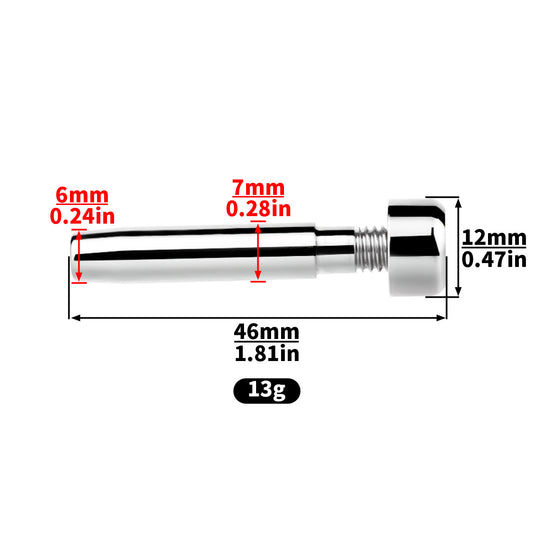

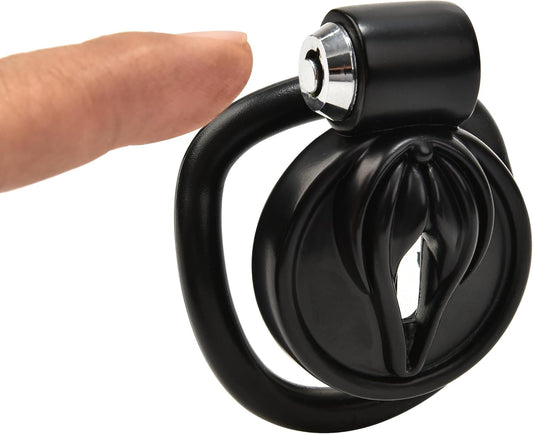

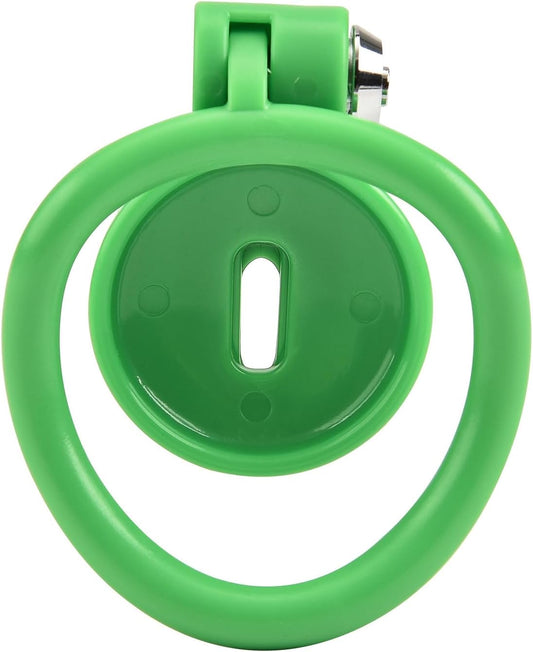

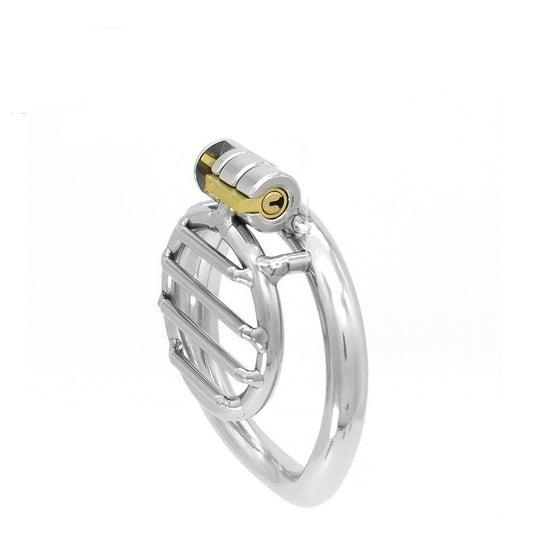

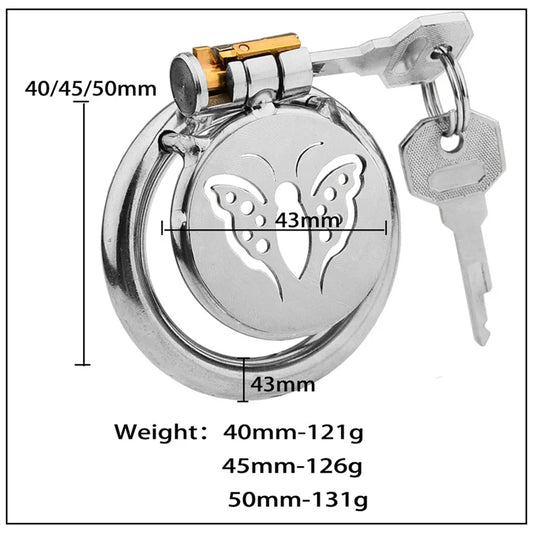
A flat chastity cage promises discretion, but the wrong choice can cost you comfort, money, and patience. Choosing a cage that is too small too soon is a common mistake, and it makes many people quit before they learn what they like. A flat chastity cage differs from a standard design in sizing and material choices that affect daily routines, yet these details are easy to overlook. More than 18% of people in North America have nickel allergies, so material choice matters. This piece covers the costly mistakes to avoid, including sizing and pricing.
Mistake 1: Choosing a Flat Cage Without Knowing the Differences
Before you tap "buy," you just need to understand what separates a flat cage from the other designs filling search results. A flat chastity cage vs normal comparison comes down to geometry, not marketing. These shapes affect your body differently, and choosing without knowing the difference can leave your first cage unused in a drawer within a week.
Flat chastity cage vs normal: profile and daily use
A standard tube cage encloses the penis inside a cylinder that connects to a base ring, with an open tip for urination. A flat cage removes the tube entirely. Instead of wrapping around the penis, it presses everything downward against a flat, compressed panel. This creates such a low outward profile that it can remain nearly invisible beneath fitted trousers or underwear. The restriction also feels different. Tube cages rely on containment, while flat designs rely on compression, which many wearers find more intense than enclosure alone.
Daily wear reveals the main difference. A standard cage usually provides more internal space and a familiar shape, so you have more room for sizing errors while learning. A flat cage sits closer to your body and offers a controlled, low-profile fit, but its compression makes sizing mistakes harder to tolerate. It may also feel more restrictive than a tube design because the compressed panel limits movement, which some beginners struggle to adjust to. A flat cage works best once you know your sizing. It leaves little room to improvise.
Inverted chastity cage vs flat: why the labels matter
Product listings often group flat and inverted cages together, but the labels describe different designs. A flat chastity cage has a flat, rectangular exterior that holds you in a straight, rigid position and provides moderate restriction. An inverted cage curves inward to follow your body's contours for a closer, more ergonomic fit. That curvature usually creates more restriction than a flat design.
The difference becomes clear when fit is imperfect. A flat cage keeps the familiar features of a standard design, such as the base ring and lock placement, so many buyers see it as an approachable step toward a smaller device. An inverted design requires closer attention to fit and hygiene, and some versions include a catheter or insert that should remain an advanced option and receive careful cleaning. Confusing these labels before ordering can lead you to buy an "inverted" cage expecting the forgiveness of a flat design, only to end up with a fit you were not ready for.
Choosing the smallest design instead of one that suits your needs
The biggest mistake is choosing a cage because it looks small in photos instead of because it fits your anatomy. A cage that is too short presses against the glans. One that is too long lets you move inside it and defeats its purpose. A ring that is too tight can restrict circulation, while a loose ring can move around and pinch. Choosing a cage that is too small too early is one of the main reasons people stop using chastity devices before they learn what they prefer.
A better approach is choosing your first cage for one purpose, such as discretion or comfort, instead of expecting maximum restriction and the lowest price at once. Stability beneath clothing matters more than size. A slightly larger cage that stays in place can be less noticeable than an extreme micro design that shifts or presses awkwardly with every step.
Mistake 2: Guessing Your Size
Guessing your size for a flat cage can turn a careful purchase into a drawer ornament fast. Most sellers will not accept returns after wear, so the stakes are higher than they are with a regular shirt or shoe. Accurate measurements before you order save money and help you avoid a cage that feels uncomfortable all day.
Checking base ring measurements and the gap
The base ring supports the whole device, and the wrong size is more than uncomfortable. A ring that is too small can restrict blood flow, while one that is too large may hang loose and cause chafing. Take measurements only while completely flaccid. Measuring while aroused can leave you with a ring and cage that are too roomy. One common fit test is to slide one finger under the ring to the first knuckle. Two fingers means you should size up, while no room means you should size down.
The gap is the space between the base ring and the cage where the scrotum rests. A 3/8" (9.5mm) gap works for most people. A high, tight scrotum often needs 1/2" (12.7mm), while a lower-hanging scrotum may fit better with 1/4" (6.3mm). High and tight usually requires a wider gap, while low and loose needs a smaller one.
Reading internal dimensions, not just outer size
A flat cage's outer measurement tells you little about how it will fit your anatomy. To find the internal diameter, wrap a tape around the thickest flaccid point and divide the circumference by 3.14, or pi. A 159mm circumference.
Length also matters. Subtract about 1/4" to 1/2" from your flaccid length when choosing a cage size. Of the four main measurements, the cage's internal diameter is the only permanent one. A mistake there means buying a new cage, while you can usually adjust the base ring, gap, and length later.
Why sizing from a standard cage may not transfer
Using the size from a tube cage you already own is a common shortcut, but it often backfires. Manufacturers measure differently, so a comfortable fit in one brand's standard device does not provide a reliable size for a flat design. Soft tape measurements can also create false confidence because compression and angle change once a rigid ring replaces the tape. Fresh measurements based on your current anatomy are more reliable than converting old numbers.
Asking the seller about fit before ordering
Ask the seller one specific question at a time before you commit. Name the exact model and variant, then request the missing measurement in millimeters. A vague question such as "what size should I get" may lead to a generic answer. Asking for "the usable internal length of the Small variant" gives you a number you can use to order. Many sellers also suggest a short trial period, such as CB-X's 12-hour test, to confirm the fit before longer wear. Mention it if you are a "grower" rather than a "shower," since this can affect the cage length you need whatever your flaccid measurements are. Weight changes tend to affect ring size more than the cage itself, so mention that if fit questions arise later.
Mistake 3: Ignoring Materials and Build Quality
Material and build quality determine how a flat cage feels against your body, often more than the shape you chose.
Material details and possible metal allergies
Check whether a listing identifies the exact material or only claims "body safe" before you order. Sensitive skin usually does better with 316L stainless steel, titanium, platinum-cured silicone, or bio-resin, which are among the safer hypoallergenic options. Planned Parenthood recommends non-porous materials such as 100% silicone, hard plastic, stainless steel, and glass for intimate products because they clean more reliably than porous options. A peer-reviewed review found that some jelly-rubber products contain phthalates, which supports that advice. Leather cages feel softer and more flexible for beginners, but remove them before showering because leather cannot handle water exposure. Medical-grade 316L stainless steel is also non-porous, so it resists bacteria and moisture better than cheap alloys.
Rough edges, weak locks, and poor finishes
Run a finger over a new cage before wearing it and use fine sandpaper on any rough spots. Listings at the cheapest end of the marketplace, including those on flat chastity cage shein storefronts, often have brittle construction, inconsistent sizing, and poor finishes that can cause injury. Inspect plastic cages for rough edges or cracks before wearing them. Prolonged use of a poorly built cage can damage vascular tissue. That answers whether a flat chastity cage is dangerous: the material and finish determine the risk, not the flat shape alone. A weak lock creates another risk because a metal cage with a padlock may not be easy to remove quickly during an emergency.
Ventilation and cleaning access
A flat cage already presses against your body through the base ring or belt, so it can be harder to clean than an open steel cage with more length. Open designs with spaced bars allow better airflow and are easier to rinse while locked. Closed designs stay warmer and require more careful hygiene. Hygiene issues are the biggest problem behind first lockups ending early, so clean both yourself and the device each day with mild soap and warm water. The CDC recommends washing sex toys with soap and water after each use. Ventilation holes, rinsing access, and drying time matter more than they may seem with a flat design. One wearer described the issue plainly: a flat design was difficult to clean and dry at the same time. The wearer eventually needed a blow dryer to finish the job.
Mistake 4: Wearing It Without a Safe Daily Routine
A flat cage may fit well on paper but still cause problems without a routine to support it. Comfort depends on testing, cleaning, and monitoring the device just as much as proper sizing.
Testing sitting, walking, and clothing during a short first trial
Wear the cage around the house before relying on it outside. Sit, walk, bend, and see how the ring and cage respond to each movement. Start with short sessions. Extend daytime wear or try overnight use only after ordinary activities feel comfortable.
Planning bathroom access before leaving home
A cotton bud can help arrange the urethra correctly before urinating, so take one with you when you leave home. A squirt bottle can also rinse the cage while you're out if a shower is unavailable.
Removing, cleaning, and drying the device as directed
Shower with the cage on each day and flush warm water under the base ring for about three to five minutes. Remove the device for a full deep clean once a week, which takes about fifteen to twenty minutes. Check it each month for cracks or a sticking lock, which takes about five minutes.
How long can you wear a flat chastity cage? Why there is no universal safe limit
A cage may feel fine for one evening but become uncomfortable after several days because weight and pressure points build up over time. No fixed number of hours is safe for everyone. Confirm comfort gradually at each stage before extending wear.
Pain, numbness, swelling, or color changes: stop use and seek care when needed
Remove the device immediately if you experience numbness, tingling, discoloration, swelling that does not settle, or sharp pain. See a doctor if you have discharge, a persistent odor, a worsening rash, pain while urinating, or fever with swelling.
Keeping removal access available, even with a partner
Keep the key in a secure place, either at home or with a partner, so you can remove the device without delay if something feels wrong.
Mistake 5: Comparing Prices Without Counting Extra Costs
Price tags rarely show the full cost of a flat chastity cage, and sellers know many buyers compare only the listed price.
Flat chastity cage price: account for shipping and spare parts
A simple flat silicone cage package starts at about $39.99, and orders that reach $70 qualify for free express shipping. Other sellers offer free domestic shipping at $75 or free worldwide shipping at $350. Some require a $99 order before they waive shipping fees.
Spare parts can increase the total quickly. A flat spare ring costs about $33, while flat ring A or B costs $17.60 each. A simple integrated padlock costs $10.89, and replacement locks or rings from other sellers cost about $19.99 each. Add at least one spare ring size and a backup lock to your budget before checkout.
Intimate-item return rules, warranties, and custom-order limits
Most sellers will not issue refunds or exchanges after an intimate item ships because of health and hygiene concerns. Defect coverage differs between sellers. Some provide 90-day replacement warranties, while others allow only 30 days. Manufacturers' standard one-year warranties are also available.
A few shops allow returns on sex toys within 100 days if you change your mind. Custom and sale orders are usually excluded from returns altogether. Prices may also change without notice before you complete checkout.
Conclusion
A flat chastity cage can provide the discretion you want if you avoid the mistakes mentioned above. Poor sizing, low-quality materials, inconsistent cleaning, and unexpected costs can turn a useful purchase into something that sits unused in a drawer. Measure carefully, choose hypoallergenic materials, establish a cleaning routine over time, and budget for spares before checkout. Comfort comes from preparation, not from choosing the smallest or cheapest option. Get these details right, and your flat cage will serve its purpose. Get them wrong, and you may be back here looking for answers.