
-
M-Shape Leg Spreader Restraint – Soft, Durable PU Leather BDSM Toy for Beginners & Advanced
Normaler Preis $14.99Normaler Preis -
BDSM Labia Spreader Clip Nipple Clitoris Shower
Normaler Preis $15.99Normaler Preis -
SM Female Forced Leg Splitter Bondage Spreader Bar
Normaler Preis $39.99Normaler Preis -
CBT Penis Dilator Urethra Expansion Sounding Spreader Rod
Normaler Preis $17.99Normaler Preis -
T Shape SM Spreader Bar Hand & Neck Restraints
Normaler Preis $59.99Normaler Preis -
Labia Spreader Clip Clitoris Clamps
Normaler Preis $17.99Normaler Preis -
BDSM Bondage Kit Leg Spreader Bar
Normaler Preis $36.99Normaler Preis -
SM Restraints Golden Spreader Bar Handcuffs Shackles
Normaler Preis $135.99Normaler Preis -
SM Spreader Bar Leg Restraints Sex Position Enhancer
Normaler Preis $49.99Normaler Preis -
BDSM Anal & Vaginal Speculum / Spreader
Normaler Preis $42.99Normaler Preis -
Alloy Extreme Anal Spreader- Speculum
Normaler Preis $44.99Normaler Preis -
SM Stainless Steel Spreader Bar with Handcuffs Shackles
Normaler Preis $29.99Normaler Preis -
SM Restraints Gold Spreader Bar with Collar
Normaler Preis $85.99Normaler Preis -
SM Restraints Stainless Steel Spreader Bar
Normaler Preis $32.99Normaler Preis

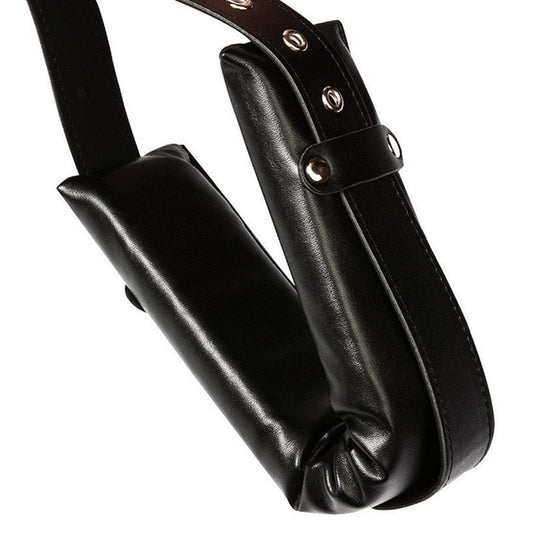



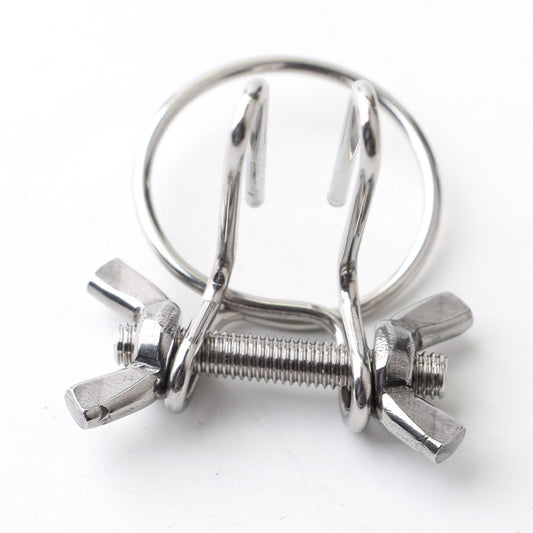

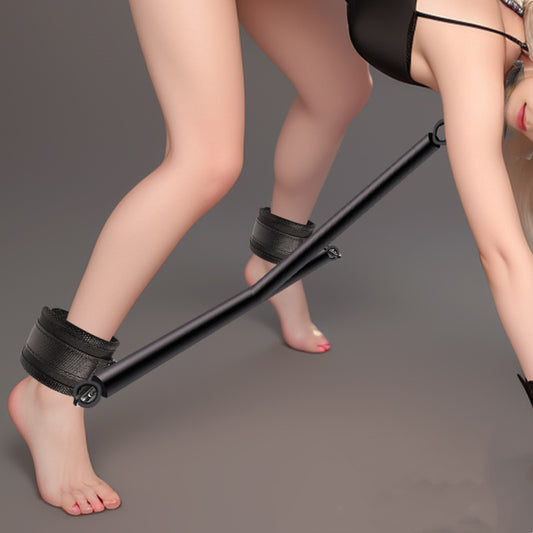

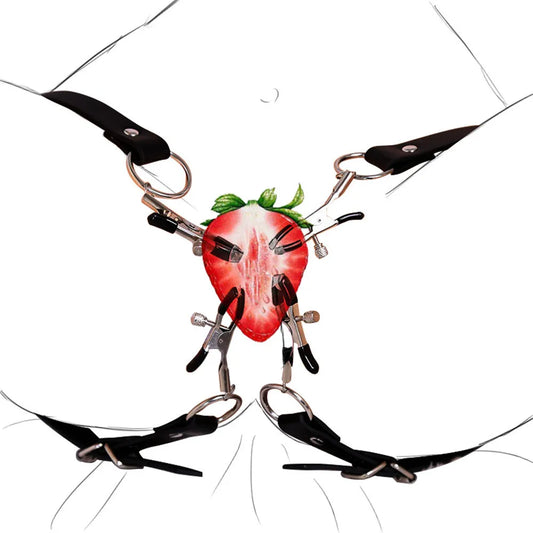

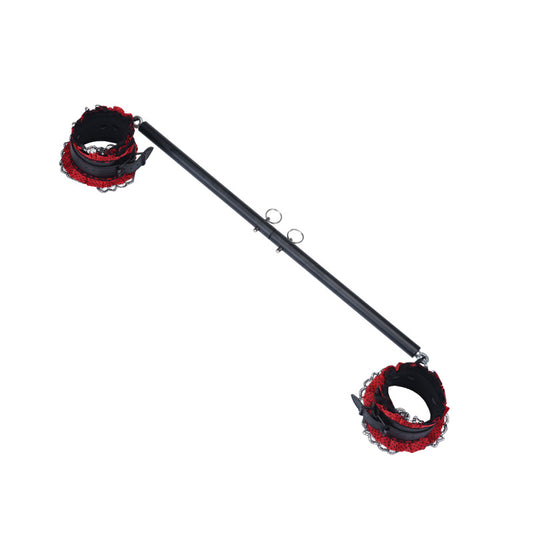

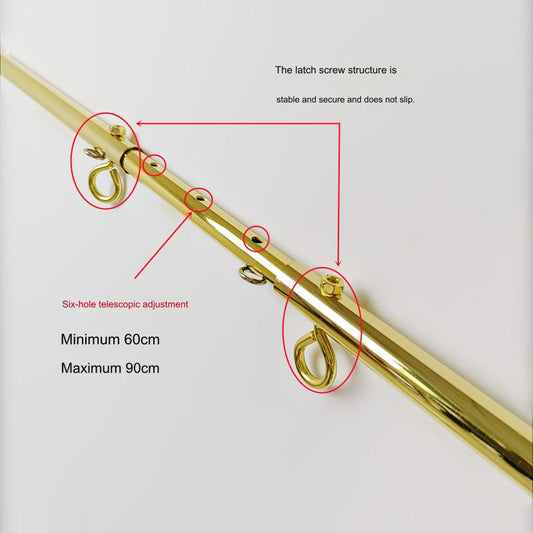




A labia spreader clamp holds your labia open to provide visual display, sensation, or easier access during intimate play. This intimate accessory works with your labia minora and labia majora, creating exposure or light tension based on the design you choose. Beginners should choose an adjustable labia spreader made from body-safe materials, such as surgical steel, platinum silicone, or medical-grade plastic. This piece explains how to choose labia clamps, understand labia clamp safety, and use labia clamps with confidence so that your first experience with intimate clamps feels comfortable rather than intimidating.
What Is a Labia Spreader Clamp?
Your vulva has several structures, and understanding them can help you know how a labia spreader clamp interacts with your body during use.
Labia minora and labia majora: simple anatomy
The vulva has two folds of skin, often called lips, that protect your urethral and vaginal openings. The outer folds, known as the labia majora, contain pubic hair and erectile tissue that fills with blood at the time you're aroused. The inner folds, the labia minora, are hairless and sit vertically inside the outer lips. They begin above the clitoris and extend toward the perineum. The outer labia are usually thicker, so they can often handle more pressure than the thinner inner labia. That difference matters when deciding where a clamp or spreader will rest, since tissue thickness affects whether pressure feels comfortable or intense.
Labia spreaders, labia clamps, and speculums: key differences
These terms are often used interchangeably, but they describe different tools that create different effects. A speculum is a medical tool, usually made from stainless steel or plastic, that opens the vaginal walls so a provider can view the vaginal canal and cervix during a pelvic exam. It spreads the vaginal walls by about one inch, and the anatomy returns to its usual shape after the exam.
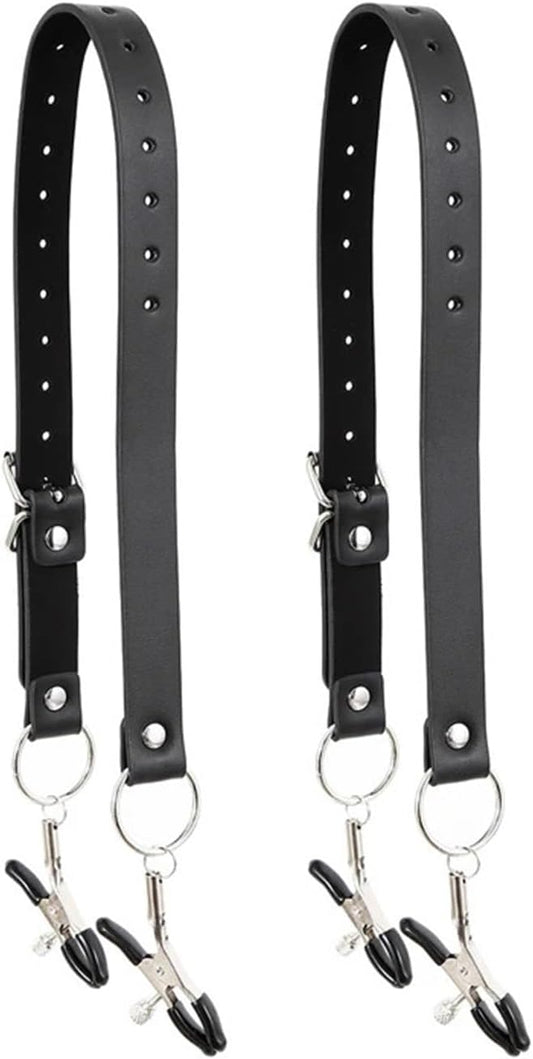
A labia spreader, sometimes called an intimate spreader, works in another way. It is usually an arc-shaped accessory with a flexible metal core covered in silicone. The device is inserted into the vagina, where its "antennae" hold the labia apart and expose the clitoris and inner labia to stimulate them. Some models do not require insertion. They use clamps attached to a strap that pull the outer labia open and provide sustained exposure instead of localized pressure.
Labia clamps apply focused pressure to a smaller area of tissue rather than holding the entire structure open. The sensation often comes less from the clamp itself and more from its removal, at the time blood rushes back to the area and intensifies sensation. Spreaders create sustained exposure, while clamps create localized pressure followed by a sharper release.
Why some adults choose intimate accessories
People choose these accessories for visual, sensory, and practical reasons. To name just one example, exposing the labia can make clitoral stimulation easier during oral sex, especially when a person's anatomy makes the clitoris less available. Others use spreaders or clamps in BDSM dynamics, where exposure and vulnerability can add to the experience. Some people simply want to change their usual routine with a partner.
The broader context supports this. More than half of adults in Germany report using sex toys during partnered activity, and almost half use them alone. Research links sex toy use to greater sexual satisfaction, better quality of life, and higher scores on standardized measures of sexual function. Women who use toys with a partner at least weekly report that the accessory plays an important role in orgasm nearly 30% of the time. This does not point to a problem. It reflects a normal and common way that adults explore pleasure together.
How to Choose a Beginner-Friendly Labia Spreader
Not every labia spreader clamp works the same way. A beginner-friendly choice starts with knowing what is available before you buy.
Common clamp and strap designs
The most common beginner style uses straps that wrap around the thighs and clamps that attach to the labia. The straps spread the labia open as they tighten. These sets usually have rubber-tipped clamps with thumb screws, which let you increase or reduce pressure. The straps adjust to roughly 16 to 28 inches at the clamp tips and often use vegan leather with metal hardware. A similar PU leather design adjusts from 40 to 70 centimeters and is rated for beginner users. Some sets also include dual-use clamps for the labia and nipples, with metal rings that add sensation.
Clamps generally fall into six types: non-piercing clips, tweezer clamps, screw or alligator clamps, vibrating clamps, clover clamps, and screw-free spring clamps. Genital play calls for only the first three types, and they should have padding and use the loosest setting. Clover and spring clamps become tighter under tension. They also do not allow gradual adjustment, so beginners should avoid them for genital use.
An adjustable design that allows easy removal
One simple rule applies: a clamp that cannot loosen without full removal should not go near sensitive genital tissue. Thumb screws allow settings from a light hold to firmer pressure, and you can adjust them during a scene without removing the clamp. Spreader-style accessories also adapt to different body types because their arms widen or narrow instead of holding your body in a fixed shape. A one-hand release is especially important during solo play because you need to reduce pressure without assistance.
Body-safe materials and smooth contact points
Choose rubber or silicone tips because padded contact points distribute pressure across the skin instead of concentrating it in one area. Nickel-free metal and body-safe silicone can reduce the risk of allergic reactions, which matters because genital skin is more sensitive than skin elsewhere. Smooth silicone with rounded edges rests against the body without catching or pinching, unlike rigid or sharp materials.
Material porosity matters as much as shape. Medical-grade silicone, borosilicate glass, stainless steel, and phthalate-free ABS plastic are non-porous. They do not trap bacteria and are easy to clean between uses. Porous materials such as latex, jelly rubber, and soft PVC with phthalates can retain bacteria even after thorough cleaning[94]. Stainless steel holds temperature well and is easy to sterilize, which makes it a practical option for repeat sessions.
Why fit matters more than brand claims
Pick a design based on control and comfort, not how intense or dramatic the packaging looks. Beginners should skip chains and weights because they create pulling force that is hard to manage. Check the maker's instructions to confirm that the product is intended for genital use. If the instructions do not say so, treat it as unsuitable despite its marketing. Adjustable, well-made options with a quick release will serve you better than a brand name.
What to Discuss Before Trying Intimate Clamps
Buying the right labia spreader clamp solves only half the equation. The conversation with your partner beforehand handles the other half, and skipping it can create more tension than the clamp itself.
Share your interests without pressure to participate
Bring it up away from the bedroom instead of during a session. A relaxed comment like "I came across something I was curious about, would you be open to trying it?" works much better than introducing a new accessory in the middle of sex. Partners often respond well when they see that you have done some research and are asking instead of assuming.
Pick a calm, neutral setting for the conversation, such as a walk or a quiet evening on the couch. Avoid raising the topic right before or after sex. Focus on connection rather than complaints. Saying "I love our connection and I'm curious about exploring ways to add some fun to our time together" feels different from suggesting that something is missing.
Start with appreciation and use "I" statements rather than accusations. Ask open questions, such as "Is there anything you've been wanting to try that we haven't talked about?" Give your partner a full and unconditional right to say no. Either of you should be able to decline without explaining yourself or facing pushback. If your partner seems interested, look at the product together instead of ordering it alone and treating it as a done deal.
Remember that consent must be freely given. Silence or a lack of resistance does not count as consent. Treat hesitation or quietness as a no for now, then revisit the idea later without pressure.
Agree on limits and a clear stop signal
Agree on a safe word before the clamp touches anyone's skin. Even a simple word like "stop" or "yellow" can make the experience feel calmer, especially when this is your first time with sensation play.
A stoplight system works well during play. Green means continue, yellow means slow down and check in, and red means stop at once. Nonverbal backups also matter. Agree on a signal, such as hand squeezing or tapping, in case speaking feels difficult in the moment.
Set limits in two categories before you begin:
- Hard limits: Things that are completely off the table, such as marks on the skin or clamp styles that neither partner wants to try.
- Soft limits: Things you may learn about carefully with regular check-ins, such as how much pressure feels acceptable.
Have this conversation while you are sober and clear-headed, not in the middle of a scene. Simple questions like "What's absolutely out-of-bounds for you?" or "If either of us feels unsure, can we pause right away to talk?" help you stay on the same page before the labia spreader clamp comes near either person's body.
How to Use Labia Clamps With Safety in Mind
Safety during use depends on a few habits that take seconds and help protect delicate tissue from harm.
Read the product instructions and check for damage
Read all instructions from the manufacturer and inspect the device for cracks, corrosion, or a worn adjustment mechanism before the clamp touches your skin. Avoid using a clamp that appears intact but does not open and close smoothly. A faulty release mechanism defeats the purpose of an adjustable design. Wash your hands first and check the clamp's surfaces for residue or rough edges from an earlier session.
Avoid use on irritated skin or with reduced sensation
Skip clamping over broken, infected, or irritated skin. Avoid it around a healing piercing or tissue that is still recovering from surgery. Ask a clinician before trying intimate clamps if you have reduced sensation, a circulation condition, or a bleeding disorder. The same applies if you take blood-thinning medication or are pregnant or breastfeeding. Genital sensitivity can also change with hormonal cycles, so something that felt comfortable last week may feel wrong today. Check in with your body each time.
Use only as intended and never force a fit
Labia clamps and spreaders are adult novelty items, not medical tools. Using them outside their intended purpose raises the risk of injury. Never force a clamp onto tissue that resists it or tighten it beyond mild, tolerable pressure. Remove the clamp if it will not stay in place without causing discomfort instead of increasing the tension.
Keep use brief and check comfort throughout
Most guidance sets 15 to 20 minutes as the outer limit for labia clamps. Tighter settings or thinner inner tissue call for less time. New users may want to start with 30 to 60 seconds, then check the area before deciding whether to continue. Check the tissue every few minutes during the session rather than waiting until the end.
Remove the device for pain, numbness, swelling, or color changes
Remove clamps right away if the skin turns pale, blue, gray, or unusually dark. Do the same if you feel numbness, tingling, coldness, or sharp pain. Reduced sensation does not mean your body has adapted. It warns that circulation may be restricted. Do not treat fading discomfort as proof that the tissue is handling the pressure safely.
Symptoms that need medical care
Seek prompt medical advice if numbness, color changes, swelling, or pain continues after you remove the device. Severe pain, blistering, heavy bleeding, or tissue that remains cold, pale, blue, or gray needs urgent medical assessment. Persistent shooting, burning, or tingling pain in the genital area may also indicate pudendal nerve irritation. Raise it with a doctor if it does not settle on its own.
Care After Use and Build Better Communication
Remove the clamp, then check the area under good lighting. Mild redness or a faint mark usually fades within minutes, but let the tissue recover before adding more stimulation. Avoid applying pressure to tender spots, and let the area rest for the remainder of the session.
Clean, dry, and store the device as directed
Wash nonporous clamps made of stainless steel, medical-grade silicone, or ABS plastic with warm water and mild soap. Let them air dry completely before storing. You can boil nonvibrating silicone, glass, and steel pieces for up to three minutes to sanitize them more deeply. Shared devices need a bleach solution made with five tablespoons per gallon of water. Let the solution sit for ten minutes, then rinse the device with soap to remove most pathogens. Store the clamp in a lint-free bag or breathable container away from direct sunlight and toys that could stick to it.
Discuss comfort, trust, and whether to try again
Talk about the experience after both of you have settled. Discuss what felt good and what did not, then decide whether you would change anything next time. This debrief, often called aftercare, reduces the chance that either partner later feels their consent was overlooked. Twenty minutes of quiet touch and conversation about boundaries can build the same kind of trust. An ongoing conversation, rather than a one-time discussion, helps build confidence if you decide to use the labia spreader clamp again.
Conclusion
A labia spreader clamp can add variety to intimate play, but success depends on adjustable, body-safe gear and clear discussion with your partner while you pay attention to your body's signals. Of course, the accessory matters less than how you use it. Check its materials and make sure the release mechanism works. Keep early sessions short.
Consent and communication should remain ongoing rather than becoming a one-time conversation. Aftercare and proper cleaning protect trust and hygiene for next time. A little preparation can turn an intimidating accessory into a comfortable addition to your intimacy toolkit.