
-
Tentacle Squirting Dildo with Suction Cup
Normaler Preis $56.99Normaler Preis -
Ejaculating Squirting Monster Alien Dildo
Normaler Preis Von $45.99Normaler Preis -
Realistic Ejaculating Dildo (with syringe & pump)
Normaler Preis $69.99Normaler Preis -
Creature Cocks Centaur Ejaculating Squirting Dildo Monster Dog Dildo
Normaler Preis $69.99Normaler Preis -
Realistic Squirting Dildo Ejaculating Penis For Beginners
Normaler Preis $39.99Normaler Preis -
Ejaculating Horse Dildo Squirting Monster Dildo (with syringe and pump)
Normaler Preis $86.99Normaler Preis -
Realistic Ejaculating Dildo
Normaler Preis $59.99Normaler Preis -
Punch Squirting Monster Dildo
Normaler Preis $58.99Normaler Preis

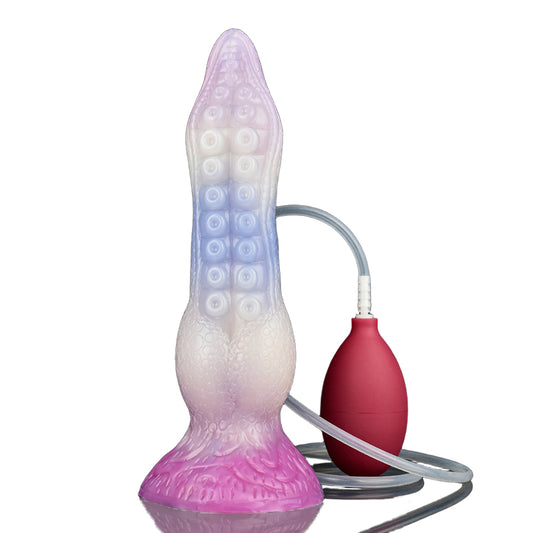

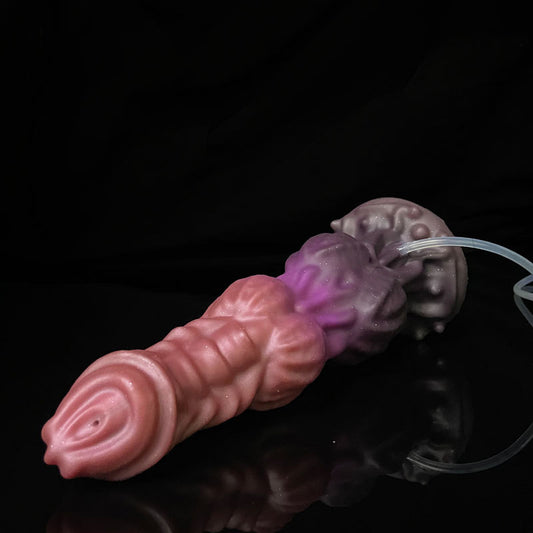

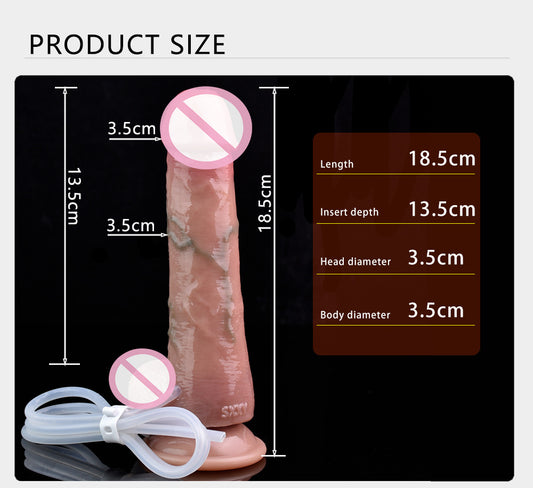

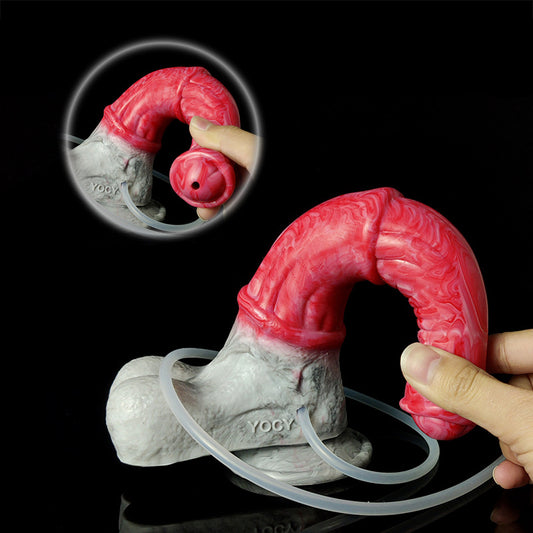

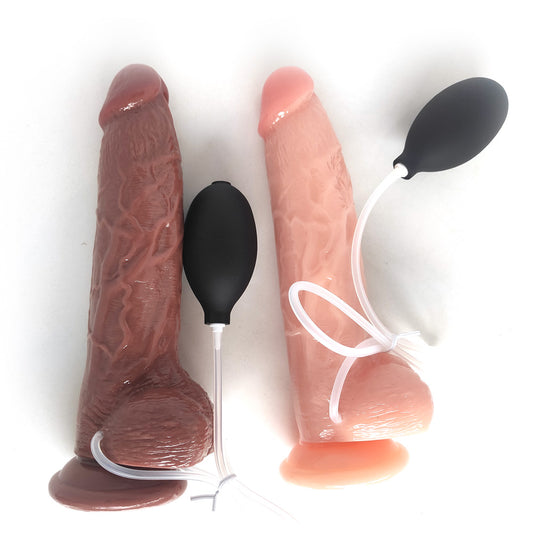


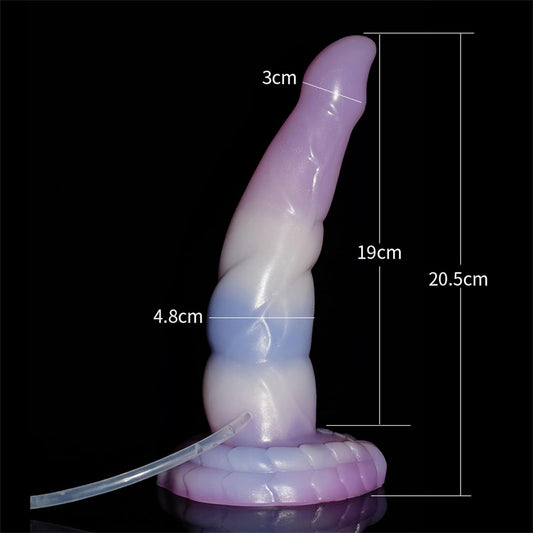

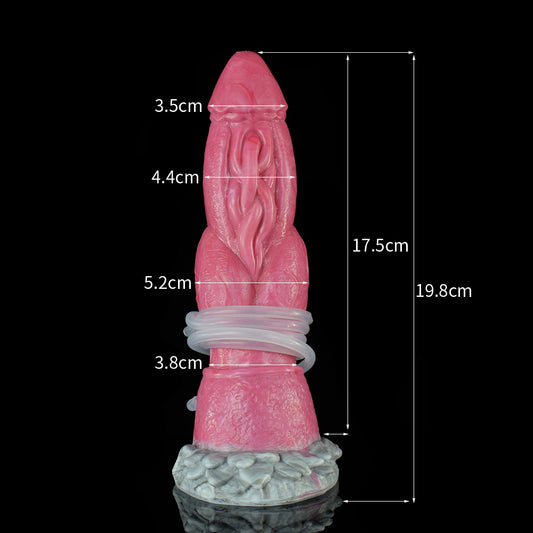
Squirting dildos can create a realistic finish, but not every model provides smooth, mess-free performance. Quality silicone options cost $45 to $120, so choosing a squirting dildo with a pump or built-in bulb requires more than marketing claims. You need to check the specs.
This piece explains how squirting dildos work and compares tube-and-syringe systems with squeeze-bulb designs. It shows what creates a realistic squirting dildo effect. You'll also find safety tips and a buying guide. Honest squirting dildo reviews can help you choose the best option, whether you're a beginner or an experienced user.
How Do Squirting Dildos Work?
A squirting dildo may look like a standard toy on the outside, but the mechanism inside the shaft creates the effect.
What makes an ejaculating dildo different
Regular dildos do not have the narrow channel that an ejaculating dildo contains. The channel runs through the shaft, from the base to a small opening at the tip. It connects to a reservoir that holds your chosen fluid, such as water, lube, or a specially made "cum" formula. Pressure on the reservoir sends fluid through the sealed channel and out of the tip, creating a stream that mimics ejaculation.
The internal channel's width affects how the fluid flows. A narrow channel creates a thinner, stronger stream, while a wider channel allows thicker fluids to pass through more easily and produces a fuller release. Every system has an internal channel and reservoir, plus a release opening at the tip. Reservoir mechanisms vary by design, but every realistic squirting dildo uses the same basic principle.
External pumps and syringes versus built-in bulbs
Most squirting dildos use one of two fluid-delivery systems. Understanding the difference helps you choose a toy that suits your routine instead of one that creates more cleanup than pleasure.
Tube and syringe systems use a thin tube inside the dildo that connects to an external syringe or bulb. Fill the syringe and press it to send fluid through the tip. A firmer squeeze creates a stronger stream, while less pressure produces a lighter trickle. This setup keeps fluid out of the toy's interior and makes cleaning easier, although the tubing can be difficult to rinse and may kink if the connection point has a poor design.
Squeeze bulb systems use a small bulb inside the shaft or base, so they do not need external tubing. Fill the bulb, then squeeze it to release the fluid. This simple design works well for anyone who wants a grab-and-go option. Its smaller capacity requires more frequent refills, and cleaning becomes harder when the liquid chamber does not come apart.
A less common option uses a built-in pump, often located in the balls, to create a vacuum. Place the tip in your chosen liquid, release the pump to draw fluid into the channel, then squeeze it to send the fluid back out. This "load and release" method requires more coordination than a syringe or bulb, but it keeps the mechanism self-contained.
| System | How It Fills | Best For |
|---|---|---|
| Syringe + tube | External syringe connects to internal tube | Larger volume, controlled stream |
| Squeeze bulb | Bulb inside shaft or base holds fluid | Simple, beginner-friendly use |
| Built-in pump | Pump in the balls draws fluid through the tip | Self-contained, no external parts |
Choose a tube-and-syringe setup if you want a dramatic, controllable finish. A squeeze bulb works better when discretion and a no-fuss session matter more.
Automatic squirting dildos: what to verify before buying
Remote-controlled and electric squirting dildos use motorized pumps or thrusting mechanisms, so you can trigger a release with a button instead of squeezing a bulb by hand. Some hybrid designs combine vibration and thrusting with squirting.
This 8.5-inch vibrating squirting dildo features 10 vibration modes and a built-in 10 ml reservoir for automatic squirting. Its remote control lets you adjust both the vibration settings and squirting function. The remote requires 2 AAA batteries, while the dildo itself is rechargeable via USB.
Check a few details before buying an automatic model because listings often leave them unclear. Confirm how the toy recharges, since battery-powered remotes and USB-rechargeable bodies need different upkeep. Make sure the fluid capacity suits your preferred session length, as automatic reservoirs often hold less than manual syringe systems. Electric components and liquid reservoirs can also increase the risk of malfunction, internal rust, and a shorter lifespan than manual versions. Ask about warranty coverage before paying extra for hands-free convenience. Double-check that the remote range works for your intended setup, whether you use it solo across the room or with a partner during a scene.
What to Look for in a Squirting Dildo
Picking a squirting dildo that works well starts before you add it to your cart. Internal mechanics matter, but the toy's material, how it fits your body, and whether the company supports it after purchase matter too.
Clear material details and cleanable fluid paths
Look beyond marketing phrases like "body-safe" and check the product page for the listed material. Platinum silicone is nonporous, durable, and sterilizable, which is important for a toy with internal tubing that holds fluid. Jelly, PVC, and other porous plastics can contain phthalates. These chemicals are linked to fertility issues, obesity, and other health concerns, and they appear often in lower-cost squirting dildos. A strong chemical smell when you open the package is a warning sign of cheap materials. TPR is porous too, so use a condom with a toy made from it, even if the listing calls it body-safe.
Check the tubing and reservoir as well. You should be able to flush and dry them, since a sealed fluid path that cannot be removed is harder to clean, regardless of the outer silicone's quality.
Size, firmness, and texture that suit your comfort
Squirting dildos are often larger than standard toys because the squirting mechanism needs space inside the shaft. Compare insertable length instead of total length. Diameter matters just as much because girth affects fullness and entry comfort more than many buyers expect. A beginner-friendly size is around 5 to 6 inches insertable, while advanced users may choose lengths up to 12 inches.
Most options come in soft, medium, or firm. Soft material compresses easily but provides less stability. Firm material holds its shape and applies more direct pressure. Dual-density designs combine a softer outer layer with a firmer core for a balanced feel. Texture also affects the experience. Raised veins and a defined head create more noticeable pressure during movement, but a smoother shaft is easier to control if you are new to squirting dildos or sensitive to stronger texture.
Reservoir size, pump access, and flow control
Reservoir capacity differs by design, though many models hold around 10 ml.
Compare these features:
- Reservoir accessibility to make refilling and rinsing easier
- Seal reliability to prevent leaks during storage or use
- Flow control so you can choose a short trickle or a stronger stream
Suction cups and harness fit
Not every flared base works as a suction cup, and not every suction cup fits a harness. Check the listing for the function you need. A suction base needs a smooth, flat, nonporous surface such as tile or glass. Grout lines and textured walls can break the seal.
Match the shaft's diameter at the mounting point, the suction cup's width, and the base thickness with your O-ring and front panel for harness use. A base wider than the ring opening prevents pull-through, and a defined neck above the base helps the ring sit flat. Interchangeable O-ring harnesses give you the most flexibility with different products.
Price, warranty, and replacement part costs
Squirting dildos made from jelly or PVC cost less upfront, but they often need replacement sooner than platinum silicone models. Check what the warranty covers before buying. Find out whether replacement tubing or syringes are available separately, and review refill-part prices if the reservoir or pump fails.
Squirting Dildo Reviews: Models to Compare in 2026
Product specifications only tell part of the story when comparing squirting dildos. Design details, fluid delivery systems, ease of cleaning, and replacement-part availability can all affect the overall experience. The following models offer different approaches to squirting functionality, and comparing their features alongside verified customer reviews can help you make a more informed choice.
Manual Squirting Dildo with Tubing: Check Tube Placement and Pump Access
This manual squirting dildo measures 7.7 inches overall, with 7.2 inches of insertable length and a 1.4-inch diameter. It comes with a one-ounce syringe and a 32.3-inch tube that can be trimmed to the desired length. Instead of a suction cup, it features a flared base with three slits that allow the tubing to sit flat against the base when used with a compatible harness. This design helps reduce the risk of the tube being pinched during movement. The multiple tube slots also offer flexibility for different hand positions and setups. Made from 100% body-safe silicone, the dildo is designed for thorough cleaning, although the tubing and fluid delivery components should be maintained according to the manufacturer's care instructions.
Silicone Squirting Dildo with Interchangeable Tips: Consider Replacement Costs
This silicone squirting dildo includes a 20 mL handheld syringe and three interchangeable tips. Its listed retail price is $139.99, though discounted prices may be available. Replacement kits are sold separately and include three 14-inch tubes, a syringe, and three tips. The kit has a regular price of $40 and may be discounted to around $20. Independent measurements list the dildo at 7.25 inches long, with 6.5 inches of insertable length and a 1.5-inch diameter. It also comes with a one-year warranty. Before purchasing, check the current price of replacement parts and review the warranty terms, particularly if you expect to use the fluid delivery system frequently.
Realistic Squirting Dildo with a Built-In Reservoir: Check Cleaning Access
This realistic squirting dildo measures 8 inches overall, with 5 inches of insertable length and a 5-inch girth. Its listed price is €69.95. The reservoir fills through a squeeze-and-release mechanism: submerge the head in liquid, squeeze the bulb-like base to draw fluid inside, and release it when ready to use. For harness compatibility, a 2.25-inch O-ring is required to accommodate the base. One potential drawback is cleaning access. Without a suitable barrier, liquid may reach internal bladder areas and channels that are difficult to rinse thoroughly. Check the manufacturer's cleaning instructions before use, and make sure all components can be cleaned and dried properly.
Manual Squirting Dildos with Syringe or Bulb Systems: Compare Materials and Maintenance
Manual squirting dildos in this category generally range from 7 to 8 inches in length and use either a syringe or a squeeze-bulb mechanism to deliver fluid. Realistic textures and relatively affordable prices make them worth considering for shoppers who prefer straightforward, non-motorized designs. However, materials can vary considerably between models, even within the same product range. Check the exact material specifications before buying, especially if you prefer platinum-cured silicone. Also consider whether the internal fluid channel and any attached tubing can be cleaned and dried thoroughly. Material alone does not guarantee complete sanitation, so follow the manufacturer's care instructions and avoid cleaning methods that are not explicitly approved for the product.
What hands-on reviews show that product listings do not
Product pages rarely mention that the Tantus POP syringe holds barely half a teaspoon per load. That makes it a one-shot release instead of a sustained stream. Reviewers also reported rough seams under the POP's base and slight tears in the squirt channel after removing the tubing. No spec sheet mentions those issues. Hands-on testers often describe the Lifelike Lover's ejaculating feature as more gimmick than useful, even though they praise its suction cup and silicone quality. Reviewers also note that the Strap-On-Me model requires extra time to fill and clean the reservoir. It is not a spontaneous grab-and-go toy, despite how the listing presents it.
How to Use a Squirting Dildo Safely
Getting the mechanics right only gets you halfway there. How you use a squirting dildo decides whether the experience stays pleasurable or leads to an unplanned urgent-care visit.
Choose a compatible water-based lubricant to use in the fluid system
Water-based lubricant is the safest place to start with the fluid system because it works with silicone toys, latex condoms, and most materials available. Semen-style lubricants that mimic semen's look and texture come in water-based, silicone-based, and blended formulas. Read the ingredients before putting one in the reservoir. Make sure the lubricant is approved to use vaginally, anally, or orally, and confirm that the toy's manufacturer allows that type of formula. Silicone-based lube stays slick longer, but it can be hard to clean out of a narrow internal channel. It may also damage the shaft unless both manufacturers say the products are compatible. Dilute water-based lube with water at a 1:3 ratio if you need more viscosity in the reservoir. Full-strength lube is often too thick for the channel and can block the flow.
Avoid homemade mixtures and check intended-use labels
Skip DIY recipes online. Real semen, saliva, food, syrup, dairy products, cooking ingredients, massage oils, and household liquids that are not made for sexual use can add sugar, allergens, or microorganisms that spoil in the tube or chamber. Avoid numbing products as well because they mask pain that could warn you about too much pressure or an injury. Stop using a fluid right away if it causes burning, itching, swelling, or irritation that does not go away.
Inspect, fill, and test the toy before body contact
Wash your hands, then inspect the toy, tubing, and connector for cracks or residue before filling it. Pour the liquid into a separate clean container instead of putting a used syringe directly into the original bottle. Draw the fluid slowly and hold the syringe upright. Remove large air bubbles before attaching the hose, and do not force or twist the fitting. Prime the channel over a sink or towel until liquid reaches the tip. This prevents unexpected bursts of air during use. Never pump against a blocked opening or kinked hose. Stop and check the connection first.
Use enough external lubricant and start slowly
Apply plenty of lubricant before insertion, and let the receiving partner set the depth and pace at first. Start with a small amount of fluid in the reservoir until you know how strongly the system releases it. The anus does not lubricate itself, so anal play needs more lubricant and frequent reapplication as friction increases. Stop if you feel pain, sharp pressure, numbness, or bleeding. These are warning signs, not sensations to push through.
Agree on pump control with a partner and stop if discomfort occurs
Tell your partner before you activate the pump unless you agreed on a surprise beforehand. Use gentle pressure at first. Stop and check for a kink or clog if the plunger or bulb resists instead of forcing it. Discuss barriers, STI prevention, and pregnancy risk beforehand. See a doctor if internal pain or burning lasts several hours or rises above 6 out of 10 on the pain scale.
Check the base and intended use before anal use
Use only a model with a truly anal-safe flared base that is much wider than the shaft. A secure harness attachment that cannot enter the rectum also works, but keep the base outside the body for the whole session. Choose a silicone toy for anal play because other materials cannot be fully cleared of bacteria afterward. Do not release a large amount of fluid into the rectum, avoid numbing products, and stop if you notice pain or more than a small trace of blood. Get prompt medical care for heavy bleeding, severe abdominal pain, dizziness, fever, or a toy that will not come out.
Why a Squirting Dildo May Not Work as Expected
Even a well-made squirting dildo can stop working during a session, but most problems come from one of four fixable issues instead of a defective toy.
Weak flow: check fluid thickness, air gaps, and tube bends
A weak stream usually means an air pocket is trapped in the tube. Pre-fill the tubing, not just the syringe, before you begin. Fluid that is too thick for the channel can also restrict flow because the tube's diameter affects how easily liquid moves through it. Dried residue from an earlier session may slow the release, and a warm-water flush usually restores the stream.
Leaks: check seals and loose connections
A small gap at a joint, a cracked bulb, or a loose syringe fitting can release pressure before the fluid reaches the tip. The toy may then seem like it does not work at all. Trim the tube so it has a snug push-fit connection instead of letting it sit loosely over the base. A loose fit causes slipping and dripping during use. Too much fluid in the reservoir can also force liquid through the seams instead of the tip.
Blocked flow: stop rather than force the pump
If no fluid comes out, air in the line, thick fluid, or a clogged tip is usually the cause. Warm-water flushing resolves most of these problems. Do not poke the opening with a pin or needle. That can tear the nozzle and cause worse leaks afterward.
Unstable mounting: check the surface and base fit
A suction cup needs a stable surface to hold securely. Test the mount with light pressure before relying on it. Soft surfaces, such as a mattress, cannot support a suction base even if the seal feels strong.
Cleaning, Storage, and When to Replace Parts
Cleaning a squirting dildo requires more care than wiping down a standard toy because fluid left in the tubing can create a breeding ground for bacteria and mold.
Follow the maker's cleaning steps for each component
Check the included manual before trying another method because the material determines how you should clean it. Platinum silicone shafts can handle three minutes of boiling or the dishwasher's top rack, but never boil the tubing. Flush it instead. Silicone and other nonporous materials, such as glass or stainless steel, can be fully sanitized. Porous options like TPR or TPE, along with PVC, can retain bacteria no matter how carefully you scrub them.
Rinse fluid paths and let all parts dry fully
Fill the syringe or bulb with warm water right after use. Push the water through the tube until it runs clear, wash the exterior with mild soap, then flush the inside again. Push air through the tubing afterward, and let every part dry completely before storing it in a pouch. Lint-free storage left no residue or odor after three months of testing, while porous PVC toys trapped liquid and degraded.
Replace damaged parts and stop using toys with mold or lasting odors
A weaker stream often means dried lube has built up in the tube, so flush it really well first. Discard any toy with cracks or tears, as well as a persistent odor or mold that you cannot remove.
Conclusion
A good squirting dildo depends on honest material checks, a fill system that fits your routine, and cleaning habits you can maintain. Platinum silicone, available tubing, and a controllable flow rate matter more than flashy marketing claims. Compare the insertable length, reservoir capacity, and warranty terms before you add anything to your cart.
Manual syringe systems reward patience with a stronger finish, while bulb and automatic designs prioritize convenience. Test any option slowly, check for leaks or blockages, and flush the tubing after each session. Consistent care keeps your toy safe and functional for years.